
What is the best printing or embroidery method for custom sweatshirts?
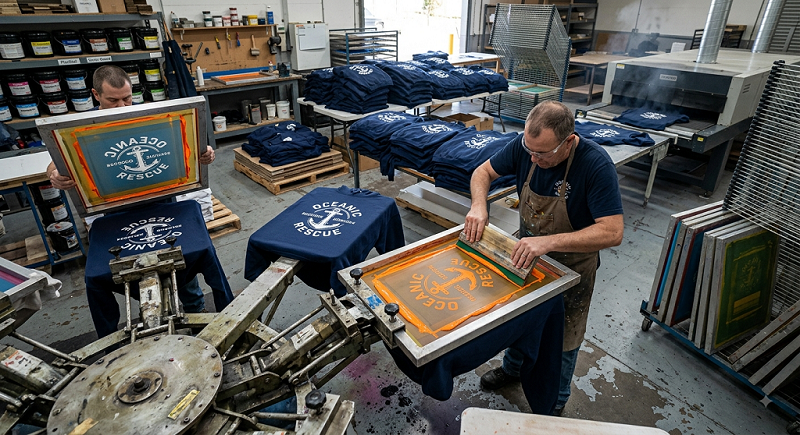
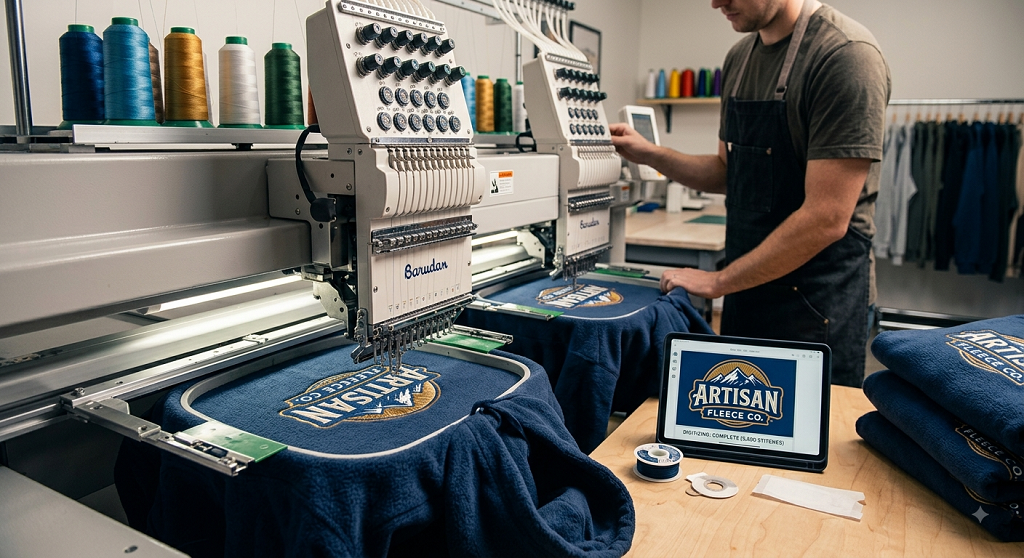
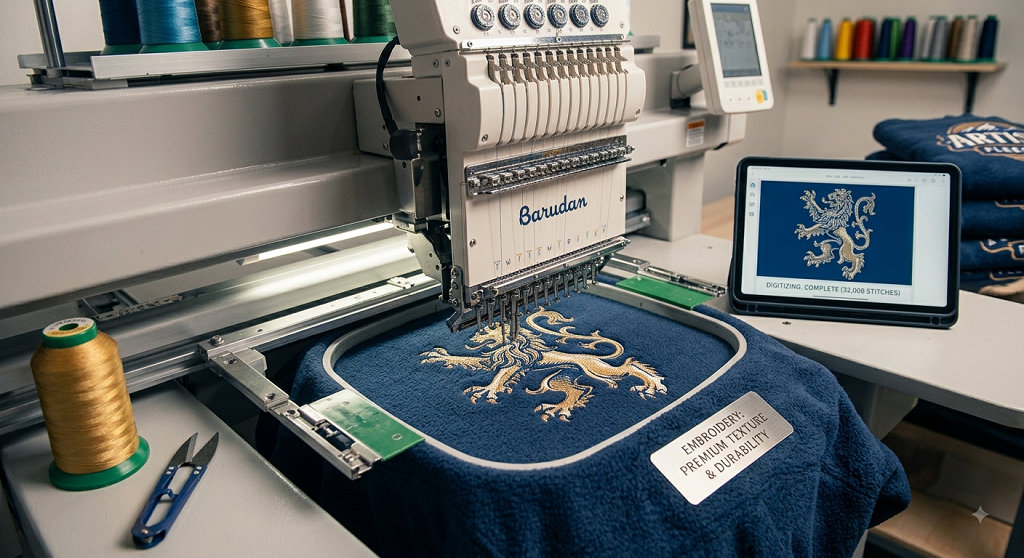
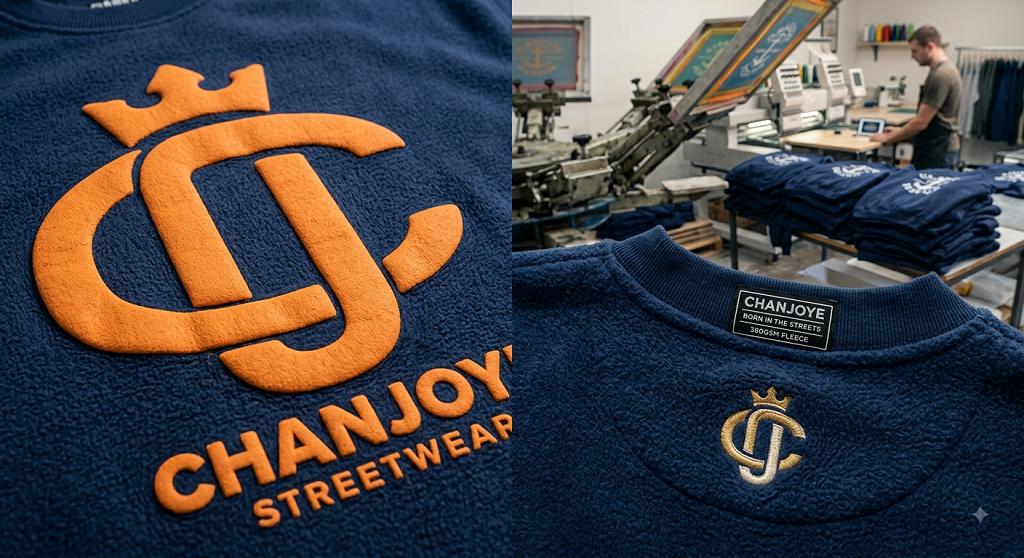
For most custom sweatshirt programs, screen printing is the best value for solid-color graphics in volume, embroidery is best for logos and a premium raised finish, DTG (direct-to-garment) wins for full-color or short-run designs, puff print adds a dimensional streetwear texture, and applique delivers a bold patch look. A qualified OEM/ODM partner such as chanjoye can combine methods on one garment, for example a puff-printed chest graphic with an embroidered back logo, and will quote by artwork, placement, stitch or ink coverage, and order quantity. Fleece sweatshirts are heavier and softer than T-shirts, which changes how each decoration method performs. The brushed cotton or cotton-blend surface absorbs ink differently, the fabric stretches more, and the garment is worn and washed for years — so durability and hand feel matter as much as the initial look. Here is how the five main methods compare in practice. Screen printing pushes ink through a mesh stencil, one color per screen, onto the flat garment panel. It produces a crisp, opaque, long-lasting print that survives 40 to 60+ industrial wash cycles when cured correctly. On fleece, water-based and discharge inks sink into the fabric for a soft vintage hand feel, while plastisol sits on top for a smooth, slightly rubbery texture. Setup cost (screens, film, exposure) makes it economical only above roughly 50 to 100 pieces per design per color, but per-piece cost drops sharply as quantity grows. Puff print is screen printing with a foaming additive under the ink. When heated, the print rises into a soft, rubbery, 3D relief that is extremely popular for streetwear and sportswear chest graphics. It works best on bold, chunky designs with clear shapes; fine lines and tiny text lose definition because of the raised effect. Puff print is typically quoted as a small per-piece premium over standard screen printing and shares the same screen setup economics. DTG prints like a large-format inkjet printer directly onto the fabric, so there are no screens and no color limits. It is ideal for photo-realistic artwork, gradients, and complex multi-color designs, and for test runs or small batches below screen-printing minimums. Because the ink is absorbed into the fibers, DTG prints have a soft hand feel, but on brushed fleece the texture can be less saturated than screen printing, and durability is generally lower — typically 20 to 40 wash cycles with proper care. Cost per piece is high at low volume but stays flat, so it is rarely the cheapest option above a few hundred pieces. Embroidery stitches the design into the garment with thread, creating a raised, textured, premium look that reads as high quality on chest logos, back designs, sleeves, and hoods. A small chest logo typically runs 5,000 to 12,000 stitches; a large back design can reach 30,000+. Digitizing (converting artwork into a stitch file) is a one-time fee, and heavier stitch density costs more per piece. Embroidery is extremely durable — it does not crack, fade, or peel — and it pairs beautifully with fleece. The trade-offs are cost per piece (thread, machine time, backing), slower production for large stitch counts, and limited fine detail. Applique layers cut fabric shapes onto the garment with satin-stitch edges, giving a bold, dimensional, sporty look; embroidered patches add a varsity or vintage feel and can be sewn or heat-pressed; heat transfer (vinyl or printed transfer) is a fast, low-minimum option for small runs and names or numbers. These methods are frequently combined with embroidery or screen printing to add contrast fabrics, team details, or seasonal graphics. A streetwear label brought chanjoye a two-garment sweatshirt concept: a boxy 380 gsm brushed fleece crewneck with a large puff-printed chest graphic, plus a small embroidered back-of-neck logo and a woven neck label. chanjoye's production team reviewed the artwork first — the puff design was simplified slightly so the raised effect would hold its shape on fleece, and the embroidery was digitized at a medium density to keep cost down without losing definition. The brand approved a pre-production sample in 8 days, then ran 800 pieces across two colors in 28 days. The puff print gave the drop its streetwear edge, the embroidery carried the premium brand signal, and the per-piece cost landed about 18% below the brand's previous all-embroidery hoodie program. That combination — a bold print for visual impact and a small embroidery for brand depth — is one of the most requested setups on chanjoye sweatshirt orders. Not sure which method fits your sweatshirt design? Send chanjoye your artwork and target quantity for a free quotation with method recommendations, per-piece pricing, wash-test results, and a sample timeline — confirmed within one working day.There is no single best printing or embroidery method for custom sweatshirts — the right choice depends on your design, quantity, and budget
Detailed explanation: how to choose a decoration method for custom sweatshirts
1. Screen printing — the volume and durability champion
2. Puff print — the streetwear texture favorite
3. DTG (direct-to-garment) — full color with no screens
4. Embroidery — premium depth and a classic logo finish
5. Applique, patches, and heat transfer — the extras that finish a collection
Data table: decoration methods for custom sweatshirts compared
Method Best look / use Typical cost per piece Color capability Durability (wash cycles) Best order size Screen printing Crisp solid-color logos, bulk $1.50 - 5.00 (drops with volume) 1 - 6+ colors (one screen each) 40 - 60+ 100+ pcs per design/color Puff print Raised 3D streetwear graphics Screen print + $0.50 - 1.20 1 - 4 colors typical 40 - 60+ 100+ pcs DTG Photo, gradients, full color $4.00 - 10.00 Unlimited 20 - 40 1 - 100 pcs Embroidery Logos, premium raised finish $2.50 - 8.00 (by stitch count) Up to 12+ thread colors Very high, no cracking 50+ pcs (digitizing amortized) Applique / patches Varsity, contrast fabric, sporty $3.00 - 9.00 Fabric + thread colors High 50+ pcs Heat transfer Small runs, names, numbers $1.00 - 4.00 1 - 6 colors 15 - 30 1 - 200 pcs Case study: how a chanjoye streetwear brand mixed puff print and embroidery on one sweatshirt
Tips and checklist before you choose a decoration method
Related questions
Are you looking for a reliable manufacturer of clothing products?
We can quickly provide customers with market analysis, technical support and customized services.- *Name
- *Phone
- *Title
- *Content