10 Creative Custom T-Shirt Design Ideas That Will Make Your Streetwear Brand Stand Out
10 Creative Custom T-Shirt Design Ideas That Will Make Your Streetwear Brand Stand Out
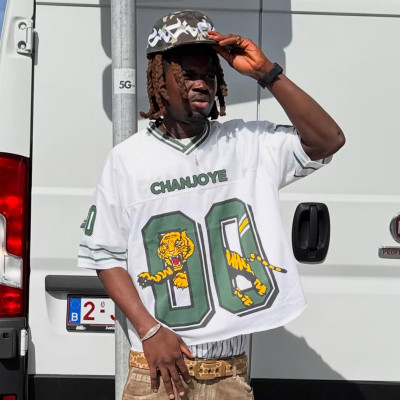
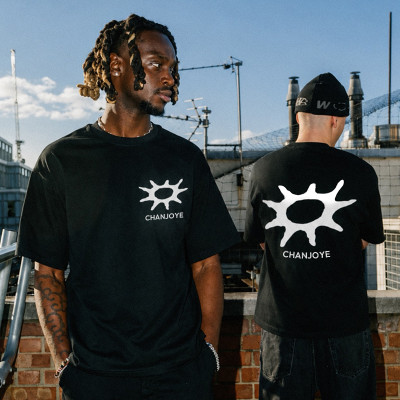
In a market saturated with generic apparel, your t-shirt designs are the single most powerful differentiator for your streetwear brand. Whether you are launching your first collection or refreshing an existing line, the right graphic approach can transform a basic blank tee into a must-have piece that customers line up for. Here are 10 creative custom t-shirt design ideas that combine current streetwear trends with practical production techniques your manufacturer can execute.
1. Oversized Bold Graphic Prints
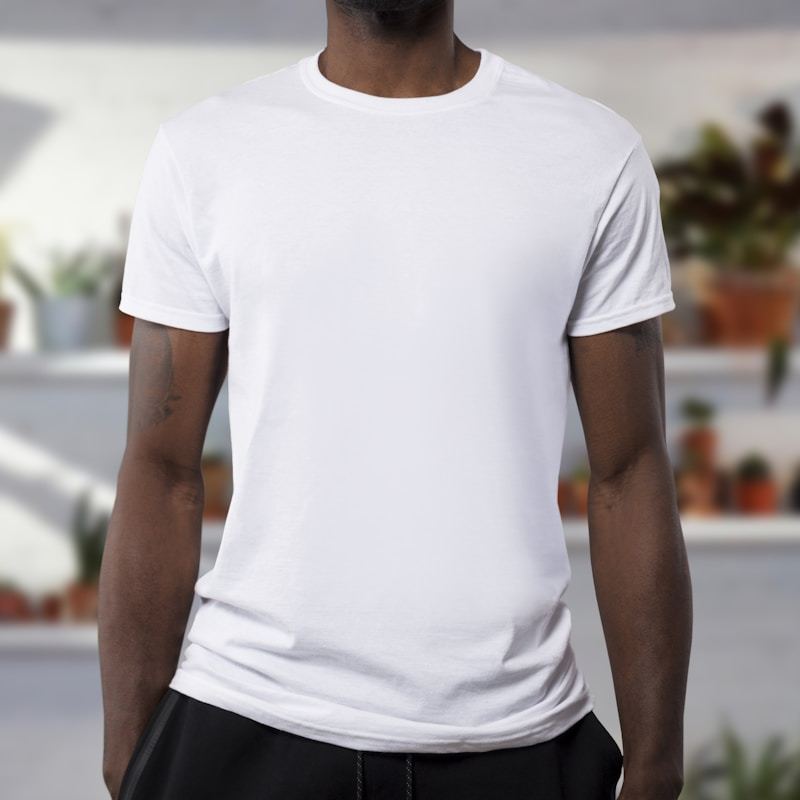
Oversized graphics remain the backbone of streetwear design. The approach is straightforward: take your artwork, scale it up to cover most of the front or back panel, and let the size do the talking. Large-format screen printing or DTG printing works best here. The key is using high-resolution artwork files — at least 300 DPI at print size — so your graphics stay crisp when blown up to 14×18 inches or larger. Bold typography, abstract illustrations, and photographic collages all thrive in this oversized format.
When planning oversized prints, work closely with your manufacturer on print placement and sizing. A graphic that stretches across the full back panel creates a different impact than one that dominates the front chest. Many successful brands alternate between front-heavy and back-heavy designs across their collections to give customers variety.
2. Vintage Wash & Distressed Effects
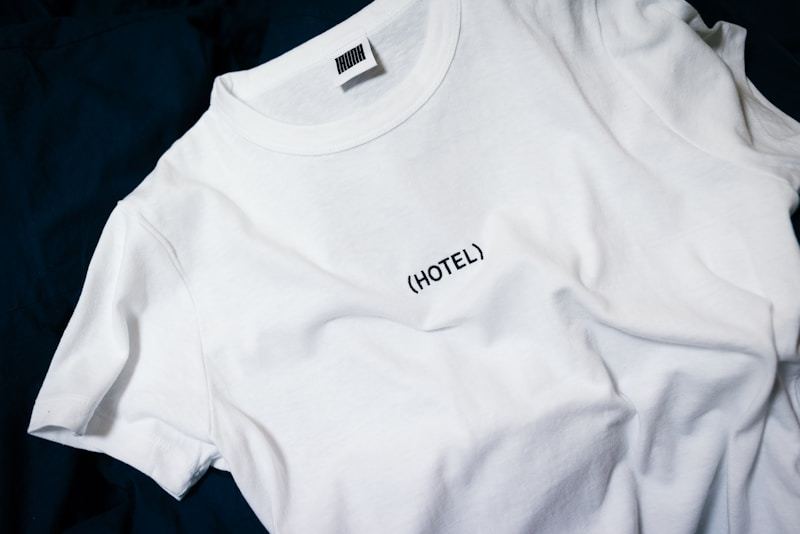
The vintage aesthetic continues to dominate streetwear, and it is no longer just about the fabric treatment — the print itself should look lived-in. Work with your manufacturer to achieve crack-effect prints, faded color palettes, and deliberately imperfect registration. Garment-dyeing the tee after printing creates a cohesive worn-in look where the graphic and fabric age together. Acid-wash backgrounds, sun-faded pastels, and sepia-toned prints give new shirts the character of a thrift-store grail find.
This approach pairs especially well with retro sports motifs, old-school band merch layouts, and 90s-inspired typography. The distressed effect also helps mask minor print imperfections, making quality control more forgiving during bulk production.
3. All-Over Print (AOP) Designs
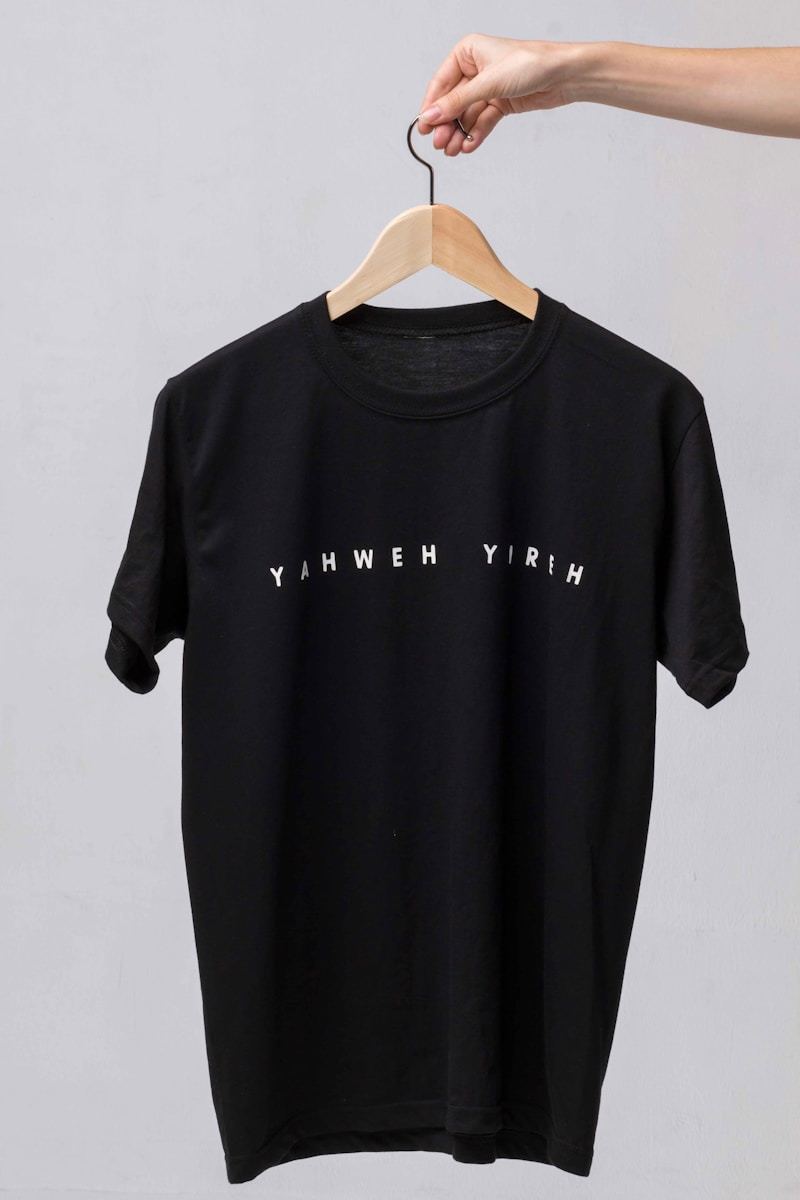
All-over printing takes your artwork beyond the front and back panels, covering the entire garment from seam to seam. Sublimation printing is the go-to technique here, as it dyes the design directly into polyester fabric for a seamless, edge-to-edge result. AOP works best with bold, repeating patterns, panoramic landscapes, or abstract compositions that benefit from unrestricted canvas space.
One important note: all-over print requires polyester or high-polyester-blend fabrics, so factor that into your fabric selection. The visual impact is undeniable — AOP tees command attention on social media and in-store displays in a way that standard placement prints rarely can. For brands targeting the festival, music, and youth culture markets, AOP is a proven attention-grabber.
4. Typography-First Wordmark Tees
Sometimes the most powerful graphic is just the right words in the right font. Typography-driven designs strip away illustration entirely and rely on custom lettering, bold typefaces, or hand-drawn scripts to carry the message. Think of iconic logo tees from Supreme, Off-White, and Fear of God — the typography IS the design.
For production, typography tees are relatively straightforward. Screen printing handles bold sans-serif fonts cleanly, while DTG printing captures the nuance of hand-drawn lettering and watercolor-style text treatments. Custom typefaces designed specifically for your brand add an exclusive feel that sets you apart from brands using off-the-shelf fonts. Even a single word — your brand name, a statement, a year — can become a recognizable signature when executed with the right type treatment and placement.
5. 3D Puff Print & Embossed Details
Texture adds a tactile dimension to your designs that flat prints cannot match. Puff printing uses a special additive mixed into plastisol ink that expands under heat, creating a raised, three-dimensional surface on the fabric. The result is a design you can feel — and one that photographs dramatically with side lighting. Popular applications include raised logos, outlined typography, and small emblem-style graphics placed on the left chest or sleeve.
Puff print works best with bold, simple shapes rather than fine details, as the expansion process can blur delicate lines. Combine puff print sections with flat-screen-printed elements on the same garment for a mixed-texture effect that adds depth and perceived value to the piece.
6. Reflective & Glow-in-the-Dark Prints
Functional design elements that activate under specific conditions create a memorable unboxing and wear experience. Reflective ink catches light from camera flashes, streetlights, and car headlights, making your designs pop in nighttime environments. Glow-in-the-dark (phosphorescent) ink charges under light and emits a greenish glow in darkness. Both techniques add an element of surprise that customers love to share on social media.
These specialty inks are compatible with standard screen printing setups, though they require careful curing temperature control. The best applications layer reflective or glow elements over a standard print — the design looks clean in daylight and reveals a hidden dimension after dark. This dual-personality approach resonates strongly with the streetwear audience who value pieces that reward closer inspection.
7. Gradient & Tie-Dye Color Treatments
Color-washed effects bring a psychedelic, festival-inspired energy to your collection. Modern tie-dye has evolved far beyond the classic spiral pattern — think subtle ombré fades, two-tone dip-dyes, ice-dye crystal formations, and carefully controlled gradient transitions. The garment itself becomes the canvas before any graphic is added.
For brands that want a more refined take, digital gradient prints applied via DTG or sublimation offer precise control over color transitions. Pair a gradient-dyed base with a simple centered graphic to let both elements breathe. The key is restraint: one strong color treatment plus one clean graphic element almost always outperforms competing visual noise.
8. Photo-Realistic High-Detail Prints
Advances in DTG and DTF (direct-to-film) printing have made photo-realistic t-shirt graphics more accessible and durable than ever. High-resolution photographic images, complex illustrations with hundreds of color gradations, and hyper-detailed digital artwork can now be reproduced on fabric with near-gallery quality. This opens up creative territory that traditional screen printing — limited by color separation and screen count — cannot easily reach.
The catch is image quality. Your source files must be genuinely high-resolution. A 72-DPI web image scaled up to a 12×16-inch print will look pixelated and amateurish. Work with your design team to create artwork at the intended print dimensions and 300 DPI minimum. Dark garment bases require a white underbase layer, so communicate your fabric color choices to your manufacturer before finalizing artwork.
9. Mixed-Media Technique Combinations
Why choose between screen printing and embroidery when you can use both? Combining multiple decoration techniques on a single garment creates premium, high-perceived-value pieces that justify higher retail prices. A screen-printed graphic with embroidered accent details, or a puff-print logo alongside a flat-print background texture, signals to customers that every detail was considered.
Production-wise, mixed-media designs require coordination. The embroidery is typically done first, followed by screen printing or DTG. Your manufacturer needs to plan the production sequence and register each technique precisely so the elements align. The upfront planning is worth it — mixed-media pieces consistently outperform single-technique designs in both sell-through rate and customer feedback.
10. Minimalist Line Art & Fine Detail
At the opposite end of the spectrum from oversized graphics sits the quiet power of minimalism. Single-line continuous drawings, delicate botanical illustrations, architectural blueprints, and micro-detailed geometric patterns reward the viewer who looks closely. These designs work beautifully as small left-chest placements, subtle back-neck details, or wrap-around sleeve graphics.
Fine-line designs demand precision from your printing partner. Screen printing thin lines requires high mesh-count screens (200+ mesh) and experienced printers who can maintain consistent ink deposit. DTG printing handles fine detail more easily in many cases. Whatever technique you choose, order a pre-production sample and inspect it under both natural and artificial light before approving bulk production.
How to Choose the Right Design Direction
With 10 creative avenues to explore, narrowing your focus is essential. Here is a practical framework:
Key Takeaways for Your Brand
Start with one or two design directions and execute them exceptionally well before expanding. A focused collection of 6 to 12 designs with a cohesive visual language outperforms a scattered catalog of 30 disconnected graphics every time. Here is what to remember:
Ready to bring your custom t-shirt design ideas to life? Chanjoye offers screen printing, DTG, puff print, embroidery, sublimation, and mixed-media production — all under one roof. Get in touch with our design team to discuss your next collection, or browse our product catalog to explore fabric options and printing capabilities.