Choosing a Sustainable Streetwear Manufacturer: Trends Reshaping Modern B2B Apparel
1. Introduction: The Green Revolution in Streetwear and the New Paradigm of B2B Sourcing
Since its inception, streetwear has been defined by its subversion of tradition, its bold expression of individuality, and its raw, rebellious spirit. From early skate culture and hip-hop subcultures to the avant-garde deconstructionism seen on modern runways, streetwear has conquered the wardrobes of younger generations worldwide with its signature oversized silhouettes, heavyweight structural drapes, and intense graphic symbolism. However, behind this unstoppable cultural hurricane, the high-pollution, high-waste operational models inherent to legacy apparel manufacturing are facing an unprecedented double trial from global public opinion and stringent eco-compliance policies. For decades, "fast fashion" thrived on ultra-low production costs and reckless SKU iteration, leaving behind a trail of ecological disasters—from mountainous apparel dumping grounds in Chile's Atacama Desert to millions of tons of untreated, highly toxic dye effluents discharged into freshwater systems.
Modern e-commerce consumers—particularly Gen Z and Millennials, who are exceptionally attuned to climate emergency and social justice issues—are radically altering their purchasing criteria. While they aggressively hunt for the premium drape of heavyweight knits, the faded "vibe" of vintage treatments, and the structural depth of 3D puff prints, they are simultaneously demanding rigid "ecological ethics" from the labels they support. According to recent McKinsey global fashion consumer index reports, over 67% of young consumers actively verify a garment's raw material source and environmental transparency before purchasing. If a streetwear brand marketing itself as progressive or counter-cultural is exposed for utilizing sweatshop labor or concealing toxic chemical dumping, its painstakingly built brand equity can disintegrate overnight on social media.
For B2B apparel brands, mature international sourcing managers, and emerging DTC (Direct-to-Consumer) streetwear founders operating within the Google-indexed independent ecosystem, this green wave is no longer a soft moral suggestion; it is a cutthroat paradigm shift dictating commercial survival. Traditional manufacturing pipelines require massive Minimum Order Quantities (MOQs) and rely heavily on archaic chemical-intensive dyeing and conventional, water-intensive cotton farming. Under the tightening squeeze of global regulatory landscapes—such as the EU's newly enacted Strategy for Sustainable and Circular Textiles and the rolling state-level supply chain transparency laws across the United States—these old supply chains face immediate commercial obsolescence.
At this critical inflection point, the structural identity of the "clothing manufacturer" is undergoing a profound evolution. A world-class factory is no longer a simple, passive OEM assembler selling cheap labor and following blind blueprints. Instead, the modern clothing manufacturer must act as a visionary strategic accelerator, empowering brands to re-engineer their entire value chain—from sourcing certified eco-textiles and running low-carbon laundries to deploying hyper-agile, flexible production models. Choosing an experienced, technologically mature, and eco-accountable sustainable streetwear manufacturer has become the definitive strategy for B2B brands looking to defend their margins and command long-term market premiums.
2. Fabric Sourcing: Achieving the Perfect Balance Between Heavyweight Texture and Ecological Sustainability

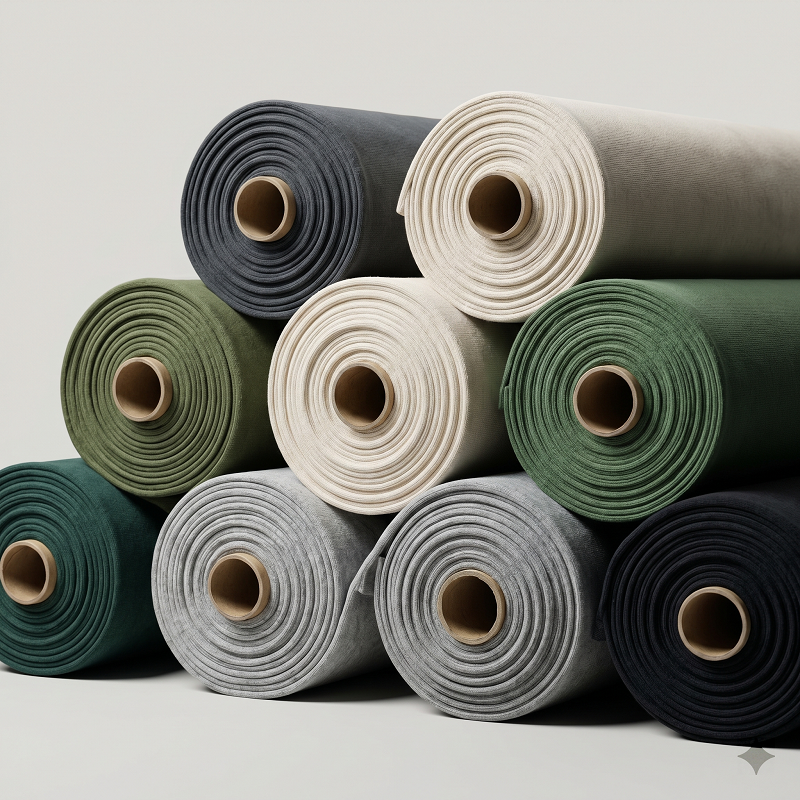
In the vocabulary of streetwear design, fabric is the ultimate foundation. The core value of a premium streetwear hoodie or a drop-shoulder graphic tee relies heavily on its substantial fabric weight (frequently spanning 300gsm to 600gsm or greater), its structural drop-shoulder rigidity that resists sagging, its dramatic drape, and its heavy-duty resistance against high-frequency urban abrasion. For years, a widespread misconception plagued the B2B procurement sector: the false belief that "eco-friendly textiles," due to the absence of synthetic chemical modifiers, were inherently thin, flimsy, structurally weak, or scratchy to the touch. This outmoded bias completely ignores the monumental leaps of modern textile engineering. Today's elite manufacturing tech seamlessly synthesizes ultra-heavyweight, high-end textures with drastically minimized ecological footprints.
A. Advanced Heavyweight Engineering of Certified Organic Cotton
While conventional cotton is a natural fiber, its agricultural footprint is a severe ecological liability—consuming nearly 16% of the planet's synthetic insecticides and 25% of agricultural pesticides, while swallowing thousands of liters of fresh water per kilogram harvested. Conversely, organic cotton certified under the Global Organic Textile Standard (GOTS) or the Organic Content Standard (OCS) strictly bans all synthetic pesticides, chemical fertilizers, and genetically modified organisms (GMOs). More importantly, through advanced closed-loop water management, organic farming cuts non-potable water consumption by an astounding 91%.
Manufacturing Technicalities: To instill organic cotton with the structural, boxy architecture demanded by premium streetwear, our mills employ high-precision "Compact Spinning" technology during the yarn phase. This process severely reduces yarn hairiness while multiplying the tensile strength of the individual strands. By tightly interweaving high-count, multi-ply yarns (such as 16s or 21s), we develop ultra-heavyweight 450gsm to 550gsm double French Terry and high-density brushed fleece. These fabrics exhibit an incredibly dense, premium knit structure with a smooth surface completely free of low-grade impurities. While providing a flawless structural silhouette, the interior loops yield a skin-facing softness, breathability, and rip resistance that vastly outperform traditional chemically modified conventional cotton.
B. Recycled Polymers and Molecular-Level Blending Innovations
For technical streetwear, utilitarian cargo gear, MA-1 bomber jackets, and heavy-duty outerwear shells where high-street style meets rugged functionality, recycled nylon (such as the globally acclaimed ECONYL) and GRS-certified (Global Recycled Standard) recycled polyester have become the gold standard.
Depolymerization Sourcing: Leading sustainable manufacturers gather post-consumer PET bottles, industrial plastic scrap, and discarded marine fishing nets, breaking them down via precision physical melting or chemical depolymerization. The resulting regenerated fibers possess a molecular structure, tensile strength, abrasion threshold, and dye saturation capability that are 100% identical to virgin petrochemical synthetics.
The Structural Physics of Blends: For staple hoodies and drop-shoulder tees, visionary manufacturers implement a strategic "70% Organic Cotton + 30% Recycled Polyester" or "80/20" blend. From a structural physics perspective, pure cotton fibers at extreme weights are highly prone to micro-fractures and structural shifting when subjected to frequent commercial laundering and high-heat drying, causing the garment to shrink, warp, or develop a bacon collar. High-strength recycled polyester fibers act as an invisible, resilient skeletal network woven throughout the cotton web. This dramatically enhances the wrinkle resistance and dimensional stability of ultra-heavyweight fabrics, ensuring the garment retains its intended avant-garde shape through years of intensive washing. This focus on premium garment longevity is the truest expression of circular fashion—slashing product replacement rates and resource consumption.
C. Next-Gen Cellulosic and Plant-Based Fiber Exploration
Beyond cotton and polyester, next-gen alternatives like Tencel Lyocell, hemp, and bamboo fibers are experiencing explosive growth within luxury streetwear lookbooks. Hemp stands out as a true ecological champion: it requires virtually no artificial irrigation, grows rapidly without a single drop of pesticide, and yields several times more fiber per acre than cotton while being naturally antimicrobial and intensely durable.
Texture Calibrations: Because raw, unblended hemp is traditionally too coarse for next-to-skin wear, advanced manufacturers blend 55% premium hemp with 45% heavyweight organic cotton. In the post-weaving stage, they introduce a specialized "Carbon Brushing" finish. By passing the textile over tens of thousands of ultra-fine carbon fiber micro-rollers, the fabric surface undergoes micro-scale abrasion to raise a soft, premium nap. This creates a highly distinctive, structurally weighted texture that beautifully preserves the organic slub aesthetic of natural hemp—a visual signature that aligns perfectly with the raw, vintage Vibe aesthetic championed by top-tier modern streetwear labels.
3. Green Engineering: Reimagining Garment Washing, Dyeing, and Printing Technologies
The visual frontier that separates streetwear from mainstream apparel is forged during the post-garment finishing stage. Vintage acid washes, mud distressing, sun-fade aesthetics, frayed edge destruction, and high-relief 3D puff prints are the precise alchemical processes that inject a garment with its artistic "soul." However, under legacy manufacturing setups, these very treatments represent catastrophic environmental liabilities. Traditional acid washing and volcanic pumice washing require astronomical quantities of fresh water and rely on toxic chemicals like potassium permanganate and strong acids to achieve natural-looking contrast, discharging highly concentrated, dark wastewater packed with heavy metals that ruin local river ecosystems. To stand out as a top-tier streetwear manufacturer, factories must aggressively invest in green engineering, using clean, modern technologies to recreate high-street distressing safely and sustainably.
A. The Industrial Revolution of Low-Carbon Eco-Washing
The Molecular Science of Ozone Washing: Ozone washing is currently the most disruptive advancement in denim and heavyweight fleece finishing. The industrial ozone generator converts ambient oxygen into high-concentration ozone gas using high-voltage electrical arcs. Inside a fully sealed, computerized drum, the ozone molecules rapidly attack and break the molecular color bonds of indigo or reactive dyes, inducing a natural fading effect. Because this process runs in a completely dry or micro-mist state at room temperature, it totally eliminates potassium permanganate—a toxic oxidizer that inflicts severe damage on workers' neurological systems and aquatic life. Ozone technology slashes chemical usage by up to 80%, cuts freshwater consumption by over 60%, and preserves the structural integrity of ultra-heavyweight cotton fibers, producing a clean, sophisticated, authentic vintage fade.
Waterless Laser Engraving and Digital Craftsmanship: Laser finishing has transitioned streetwear distressing into a purely digital craft. By drafting hyper-precise whiskers, scraping marks, splatters, and intricate sun-fade gradients in CAD software, high-energy laser beams can singe and de-colorize fabric surfaces in a matter of seconds. This process achieves absolute zero water consumption, zero chemical auxiliaries, and zero carbon emissions. It eradicates human error to secure 100% replication accuracy across bulk production runs, while permanently removing floor operators from toxic environments choked with abrasive dust and chemical fumes.
Biochem Enzymatic Washing vs. Traditional Pumice: Traditional stone washing relies on volcanic pumice stones crashing violently against garments to abrade the fabric. This method generates massive volumes of stone dust that lodge inside garment pockets and clog factory drainage networks as solid waste. Modern sustainable factories deploy biodegradable "Cellulase Enzymes" to partially or fully replace stone abrasion. These specialized enzymes bio-chemically target and peel away micro-fuzz and loose surface dyes. Working alongside synthetic ceramic eco-balls that can be reused thousands of times, this method yields the perfect edge-wear, high-contrast seam abrasion (crucial for the high-demand Vibe look) while guaranteeing zero solid-waste generation.
B. Sustainable Dyeing and Non-Aqueous Media Breakthroughs
Conventional reactive dyeing demands massive inputs of sodium chloride (salt) as a fixing accelerator to force dye molecules into the fibers. This yields wastewater with hyper-salinity levels that trigger severe soil salinization. To break this industrial deadlock, green clothing manufacturers are scaling two pioneer pathways:
Natural Botanical Dyes and Mineral Laundering: Sourcing pigments extracted from tea waste, pomegranate rinds, madder root, or infusing garments with inert, eco-certified mineral powders. While the lack of aggressive synthetic chemical fixatives makes color consistency across massive bulk batches a demanding challenge, the subtle, multi-layered, uneven fading that evolves naturally over time along the bone lines and stitched seams of the garment perfectly satisfies the vintage aesthetic. This "imperfect perfection" creates a compelling narrative that commands premium retail prices.
Low-Energy Dye Systems: Deploying Cold Pad Batch (CPB) dyeing and supercritical CO2 waterless dyeing machinery allows dyes to permeate ultra-heavyweight fibers under localized pressure without massive water heating, directly dropping the aggregate carbon footprint of massive fleece orders by over 50%.
C. High-Tech Upgrades in Eco-Friendly Printing
Streetwear is fundamentally fueled by high-impact, expansive graphic prints. However, traditional streetwear production heavily favored plastisol inks loaded with polyvinyl chloride (PVC) and hazardous phthalates (plasticizers), which release pungent, toxic volatile organic compounds (VOCs) during high-temperature heat curing, failing modern international chemical safety tests.
Advanced Water-Based Formulations: Eco-conscious manufacturing lines have migrated entirely to water-based inks and ecological pastes. Upon curing, the water carrier evaporates completely, allowing the eco-pigments to cleanly bind inside the yarn pores of ultra-heavyweight knits. This leaves zero rubbery, plastic stiffness, offers an incredibly soft hand-feel, maintains fabric breathability, and contains zero heavy metals.
Eco-Engineered 3D Puff Inks: To achieve the sharp, high-relief 3D puff and high-density textures that dominate streetwear graphics, our laboratories partnered with major chemical suppliers to re-engineer water-based polyurethane resin matrices. This ensures that the print safely expands to over 3mm in height, retains crisp, architectural edge definition, and survives intense stretch tests and high-frequency laundering without cracking or peeling. Simultaneously, it guarantees 100% compliance with OEKO-TEX Standard 100 Class 1 thresholds (safe even for infant contact), ensuring zero irritation to human skin and zero harm to the environment.
4. Agile Supply Chains and Lean Manufacturing: Capturing the Ecological Dividends of "Zero Inventory"
When evaluating fashion sustainability through a macro lens, public discourse frequently fixates on biodegradable materials and wastewater pipes. Yet, the single greatest environmental crime and resource strain inside the global apparel industry stems directly from flawed supply chain management leading to massive overproduction and deadstock. Traditional apparel manufacturing operations require huge Minimum Order Quantities (MOQs)—often demanding 2,000 to 10,000 pieces per style/color—because their factories operate on rigid, slow-moving assembly lines. This forces brands to execute blind market gambling months in advance. When a design fails to catch the shifting tides of consumer trends, thousands of garments fabricated with precious energy and water end up as deadstock. Global environmental organizations report that millions of tons of pristine unsold apparel are incinerated or dumped directly into landfills annually. Therefore, a hyper-digitalized, agile supply chain powered by Quick Response (QR) capabilities represents the absolute highest form of industrial sustainability.
A. The Financial and Ecological Dynamics of Flexible MOQ Frameworks
As an advanced streetwear manufacturer that bridges heavy-duty industrial capacity with a sharp digital e-commerce mindset, we have re-engineered our entire layout for Lean Manufacturing, shattering the MOQ chains of legacy trade. By deploying high-precision automatic digital cutters (such as French Lectra systems) alongside specialized, modular lean sewing cells, we have successfully lowered custom production thresholds.
The "Test & React" Infrastructure: This infrastructure empowers B2B brands and independent website operators to launch initial concepts completely free from debilitating upfront capital strain and inventory risk. Brands can initiate a highly targeted "Capsule Collection" of just 100 to 200 pieces per style. Once these items go live on the brand's e-commerce platform, the operational team uses Google Analytics and tracking pixels to monitor click-through rates, add-to-cart velocity, and checkouts in real-time. The moment a specific heavyweight acid-washed hoodie displays viral breakout metrics, the brand syncs this demand directly into our cloud-connected ERP system. Our rapid replenishment mechanism then takes over, mobilizing raw textiles and completing repeat production runs within a tight 7-to-10-day window. This demand-driven approach obliterates the historical overproduction defect, ensuring zero deadstock and zero wasted energy.
B. 3D Digital Prototyping and Virtual Sampling
In legacy overseas procurement, developing a complex multi-pocket utility jacket or paneled streetwear tracksuit was a slow, wasteful trial: pattern drafts, fit samples, and pre-production samples required factories to cut fabrics manually and ship physical garments across borders via express air courier. The buyer would try it on, mark corrections, and wait for the factory to stitch another version. This repetitive cycle dragged product development out past 30 to 45 days, wasted hundreds of meters of premium sample yardage, and piled up a massive logistics carbon footprint.
CLO 3D and Browzwear Technical Integration: Modern sustainable supply chains eliminate this friction by embedding high-fidelity 3D virtual apparel simulation directly into the design workflow. Our full-time 3D pattern engineers transform 2D tech packs into high-resolution virtual garments by leveraging our extensive digital textile database (which maps the exact physical properties of organic cotton weights, tensile stretch coefficients, and nylon rigidity). The software renders an ultra-precise, real-time 3D simulation on dynamic digital avatars. Everything from the exact drape of an exaggerated drop-shoulder cut to the micro-tension stretching of a 3D puff print across different sizes is displayed with flawless accuracy on screen.
Tangible Commercial Benefits: Creative directors can adjust details, shorten silhouettes, and reposition graphics during live, high-definition digital design reviews. This slashes physical sample iterations by over 75%, brings prototype material waste down to near zero, and compresses the brand's total time-to-market by more than 50%, enabling swift capitalization on fleeting trend waves.
5. Radical Supply Chain Transparency and Social Responsibility (The Dual Matrix of EEAT and Compliance)
For B2B apparel enterprises, OEM suppliers, and international procurement networks expanding their digital footprint via independent web channels, building absolute trust with a remote buyer is a major operational hurdle. With Google's search algorithms constantly elevating EEAT (Experience, Expertise, Authoritativeness, Trustworthiness) quality rater guidelines, websites anchored by hollow marketing claims and unverified factory images are systematically demoted. Sophisticated international buyers and corporate apparel directors do not just evaluate price points and silhouettes; they audit the underlying supply chain transparency and global compliance certifications of a factory as non-negotiable prerequisites. These universally respected third-party verifications act as an ironclad passport in modern B2B trade.
A. Deep-Dive Analysis of Core Certification Frameworks
When executing high-stakes B2B negotiations or structuring independent site landing pages, the following global certificates serve as definitive proof of our factory's authority and ethical stance:
BSCI (Business Social Compliance Initiative) & Sedex Compliance: These frameworks represent the mandatory baseline for major western retailers and enterprise apparel accounts. Passing these independent audits certifies that our manufacturing facilities fully enforce labor rights, maintain pristine workplace health and safety protocols, operate with a strict zero-child-labor policy, pay equal wages regardless of gender or race, and strictly limit weekly working hours while providing lawful overtime compensation according to International Labour Organization (ILO) standards. This shields international brands from any association with sweatshops or public relations crises.
OEKO-TEX Standard 100 Class 1 Defensive Line: This is the most stringent chemical safety label in the global textile industry. For our garments to bear this mark, it means that our 400gsm organic cotton fabric, every metal YKK zipper, every high-tensile sewing thread, the woven care labels, and the water-based puff printing inks must pass rigorous laboratory screening against hundreds of hazardous chemical classes (including carcinogenic dyestuffs, formaldehyde, heavy metals, and plasticizers). Achieving Class 1 compliance guarantees the garment is certified safe even for infant skin contact, delivering ultimate health protection to the end consumer.
GRS (Global Recycled Standard) Transaction Certificates (TCs): Whenever we offer recycled polyester or nylon to our B2B accounts, we back our claims with official data. GRS regulations dictate that we provide a valid Transaction Certificate (TC) for every specific bulk shipment. This document acts as a verified ledger tracing the recycled polymers all the way back to the initial coastal plastic collection point, the chemical depolymerization plant, the spinning mills, and finally to our cutting and sewing floors. This provides brands with the legal and corporate safety net required to confidently market "100% Recycled" claims to their consumer base.
B. Full Lifecycle Traceability and the Blueprint for Digital Product Passports (DPP)
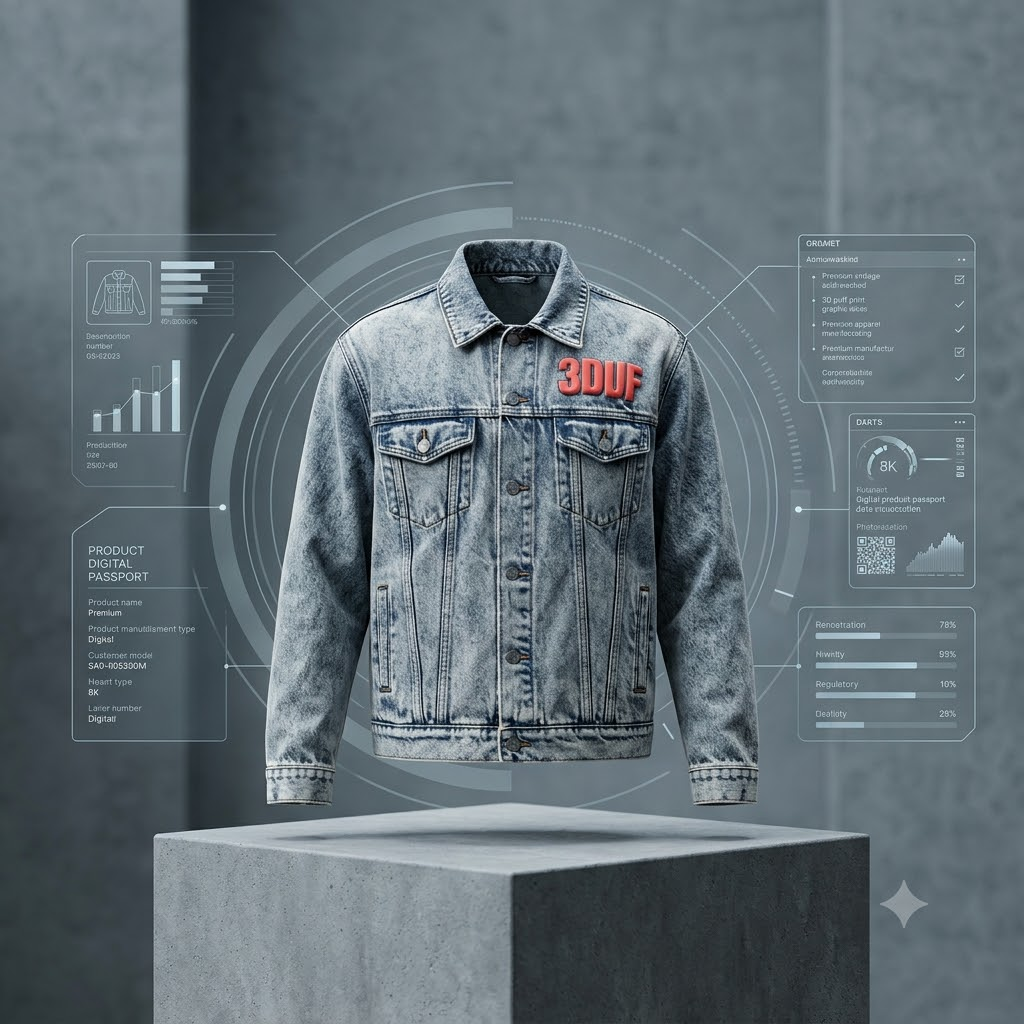
As an innovative force in streetwear manufacturing, we are blending IoT (Internet of Things) infrastructure with garment assembly by piloting "Digital Product Passports" (DPP). By sewing high-definition woven labels embedded with encrypted QR codes or ultra-thin washable RFID chips directly into the side seams of our heavyweight garments, overseas buyers and end retail consumers can scan the piece with a smartphone. This scan instantaneously opens a transparent web ledger detailing the garment’s entire carbon footprint journey: from the exact harvest date of the organic cotton on certified farms, to the liters of fresh water preserved via ozone washing in our low-carbon laundry, right down to the social profile of the精益 sewing cell that assembled it. This radical, tangible transparency transforms a garment into a powerful storytelling tool, dramatically elevating brand authority, user engagement, and e-commerce conversion rates.
6. Conclusion: Partnering with a Visionary Streetwear Manufacturer for a Profitable, Green B2B Future
In the fast-moving current of modern streetwear culture, sustainability has evolved far beyond an optional marketing gimmick or a corporate PR tool. It is now a critical prerequisite for business survival, shaping how brands navigate geopolitical trade shifts, tightening environmental laws, and evolving consumer standards. The true ethos of streetwear has never been about surface-level logos or superficial graphics; it centers on community solidarity, progressive exploration, and challenging outdated, wasteful systems. In an era marked by climate volatility and resource scarcity, safeguarding the shared ecosystem of our global community is the most profound and necessary expression of that rebellious streetwear spirit.
As an established apparel manufacturer deeply rooted in custom streetwear production—backed by an extensive heritage in garment manufacturing and international apparel trade—we recognize the immense engineering precision required to balance dense, heavyweight textiles and cutting-edge streetwear finishes with rigorous, verified ecological accountability.
We choose to avoid empty buzzwords, focusing instead on optimizing every single step of our industrial process. By scaling our capital investments in certified organic materials, low-carbon ozone and dry laser finishing systems, and 3D digitalized agile supply chains, we help thousands of fashion labels and e-commerce founders eliminate the pollution, excessive deadstock, and financial vulnerabilities of legacy manufacturing—all while delivering the rich, heavyweight, visually striking streetwear essentials that define modern style.
Partner with us on a foundation of green, tech-driven supply chain engineering, and let’s shape the future of global streetwear together.
📞 Phone: [86-15015158179]
📧 Email: [info@chanjoye.com]
🌐 WhatsApp:[https://wa.me/8618025298509]
Click the link above to start designing your custom streetwear today. We can’t wait to help you express your bold style!