Fabric, Fit and Decoration: How to Make Custom Streetwear Feel Premium
Introduction:
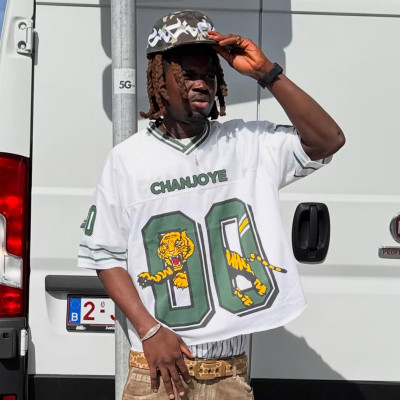
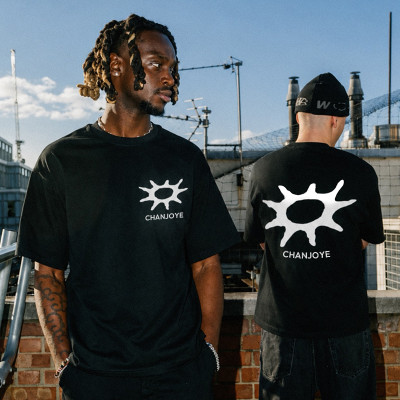
Premium custom streetwear is not created by a logo alone. When customers wear a garment, they judge the brand through fabric weight, hand feel, drape, fit proportion, print texture, embroidery detail, wash effect, and trim quality. The same graphic can look completely different on a thin low-cost fabric compared with a well-developed heavyweight fabric. That is why fabric, fit, and decoration should be treated as strategic product decisions, not last-minute production details.
Fabric is the foundation of streetwear quality. T-shirts, hoodies, sweatpants, and jackets all require different material standards. T-shirts need the right GSM, yarn quality, breathability, shrinkage control, and collar stability. Hoodies need fleece structure, body support, hood volume, and rib recovery. Pants require durability, drape, and knee-shape stability. Jackets require shell fabric, lining, zippers, snaps, and functional trims. A strong custom clothing manufacturer helps brands choose materials based on positioning, not only price.
Fit defines the style of streetwear. Words like oversized, boxy, cropped, relaxed, tapered, and wide-leg sound simple, but in production they must become real measurements. Shoulder width, chest width, body length, sleeve length, sleeve opening, hood shape, inseam, rise, thigh width, and leg opening all affect the final look. Without a clear size spec, phrases like “make it looser” or “make it like this reference” are not enough for stable production.
Chapter 1:Fabric Weight Is Not Always About Going Heavier
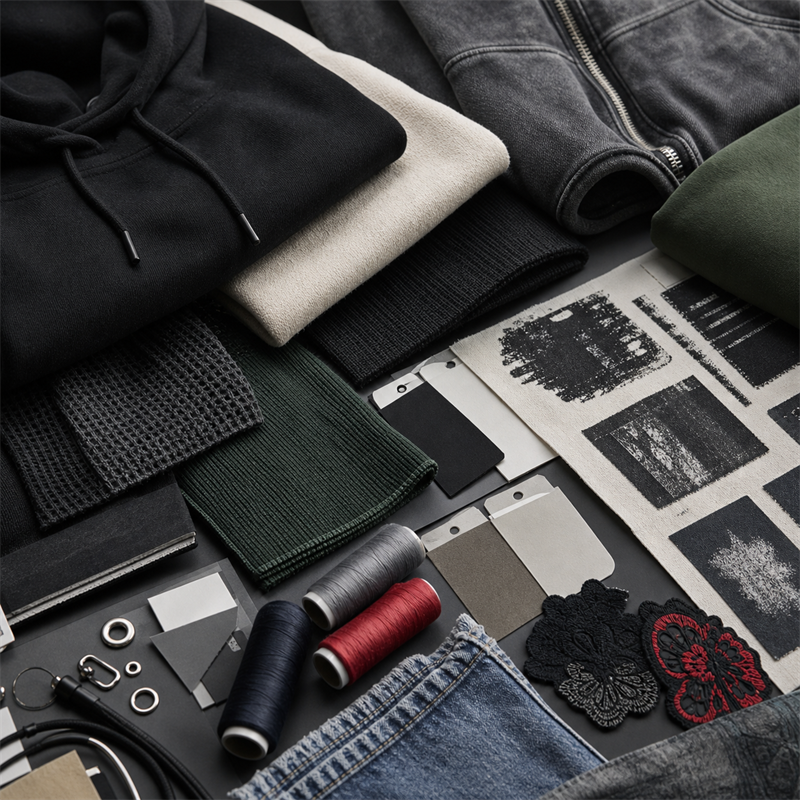
Many brands believe heavier fabric automatically means better quality. This is only partly true. Heavyweight fabric can create stronger structure and a premium hand feel, but if pattern development, stitching, and washing are not controlled, the garment may become bulky, shrink too much, or cost more than the market can support. A 260-300gsm T-shirt may work well for a premium everyday streetwear basic. A 400-500gsm hoodie may be suitable for a structured high-end product. Fabrics above 600gsm are better for special positioning or seasonal heavyweight collections.
When choosing fabric, brands should consider target market, season, retail price, brand positioning, and customer wearing habits. Buyers in North America and Europe may prefer thicker hand feel and durability, while warmer markets may value breathability and lighter comfort. The goal is not to chase the highest number, but to choose the material that supports the product strategy.
Chapter 2:How Printing and Embroidery Affect Brand Perception
Common streetwear decoration methods include screen printing, DTG printing, heat transfer, puff print, plastisol print, flocking, embroidery, applique, chenille embroidery, and garment washing. Each technique has suitable use cases. Large graphics may work well with screen printing or digital printing. Small premium logos may be better with embroidery. Vintage styles can use washing, cracking effects, or distressed finishes. Higher-end capsules may combine applique, embroidery, and custom trims to increase identity.
More complex decoration does not always mean a better product. Strong streetwear comes from alignment between design, fabric, and technique. A minimal brand may lose its identity if it uses too many decoration methods. A bold graphic brand may feel cheap if it uses the wrong print quality. The best choice is the technique that supports the visual message and the customer’s expected value.
Chapter 3:Why Sampling Is Essential
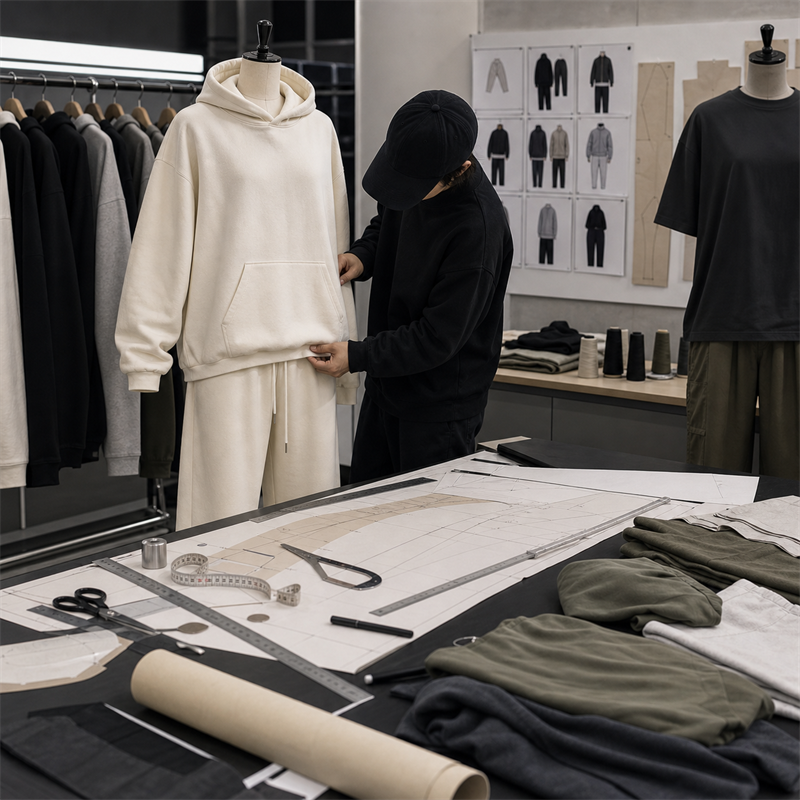
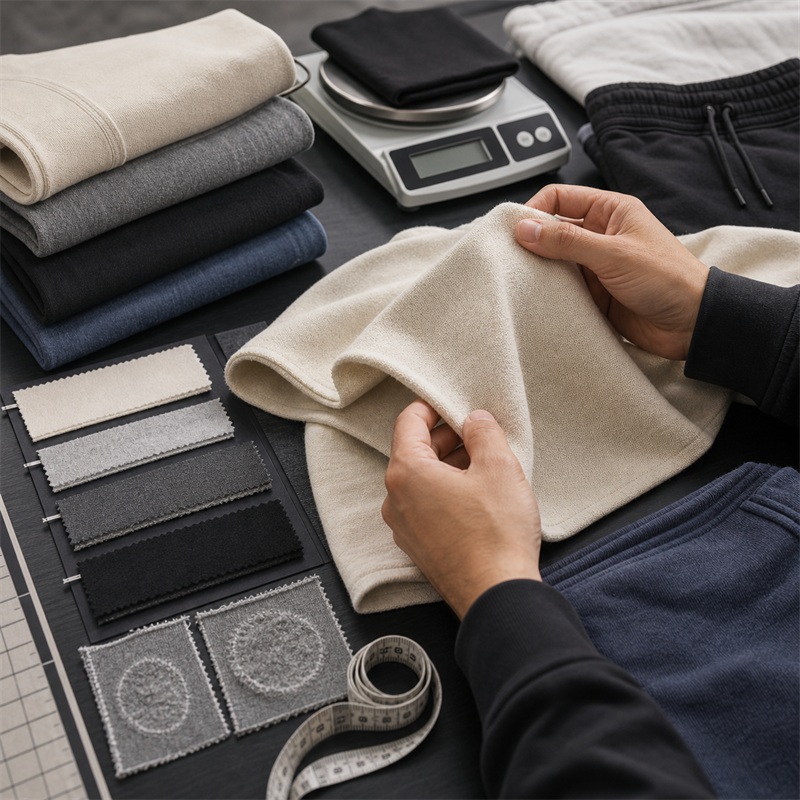
A digital design cannot fully predict the final garment. Print colors change on different fabrics. Embroidery can affect fabric tension. Washing can change size and shade. Heavy fabric can change shoulder shape and sleeve behavior. This is why brands should always approve samples before bulk production and check fit, size ratio, decoration durability, wash result, and finishing quality.
Sample review should not only ask whether the garment looks like the design. It should also ask whether the garment can be produced consistently. Some samples look good as one piece but are difficult to repeat in bulk. Some expensive techniques do not add enough perceived value. A reliable manufacturer helps brands make better decisions before the production risk becomes expensive.
Quick Answer
To make custom streetwear feel premium, brands must control fabric, fit, and decoration together. Fabric determines hand feel and durability. Fit determines the silhouette and wearing experience. Decoration creates visual identity and perceived value. All three must be tested through sampling and fixed in production standards before bulk manufacturing.
FAQ
Q1: Is heavier fabric always better for streetwear?
No. Fabric weight should match the product type, season, market, and price positioning.
Q2: How can brands achieve a stable oversized fit?
They need accurate size specs, pattern development, sample fitting, and clear revision notes.
Q3: Which decoration method is best for streetwear?
It depends on the design, fabric, and brand positioning. Screen printing, embroidery, puff print, applique, and washing can all work when used correctly.
📞 Phone: [86-15015158179]
📧 Email: [info@chanjoye.com]
🌐 WhatsApp:[https://wa.me/8618025298509]
Click the link above to start designing your custom streetwear today. We can’t wait to help you express your bold style!