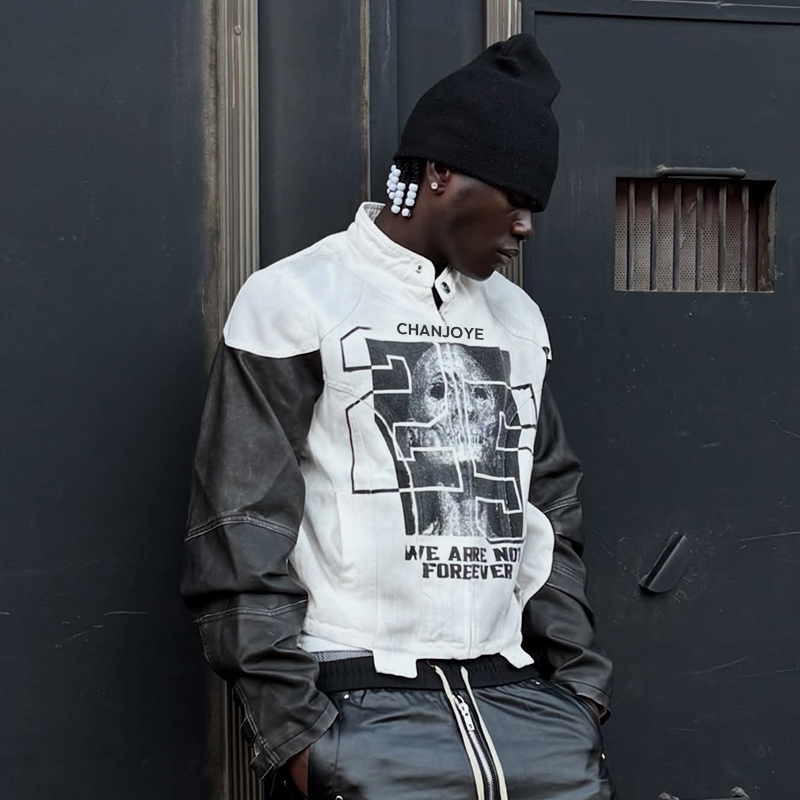
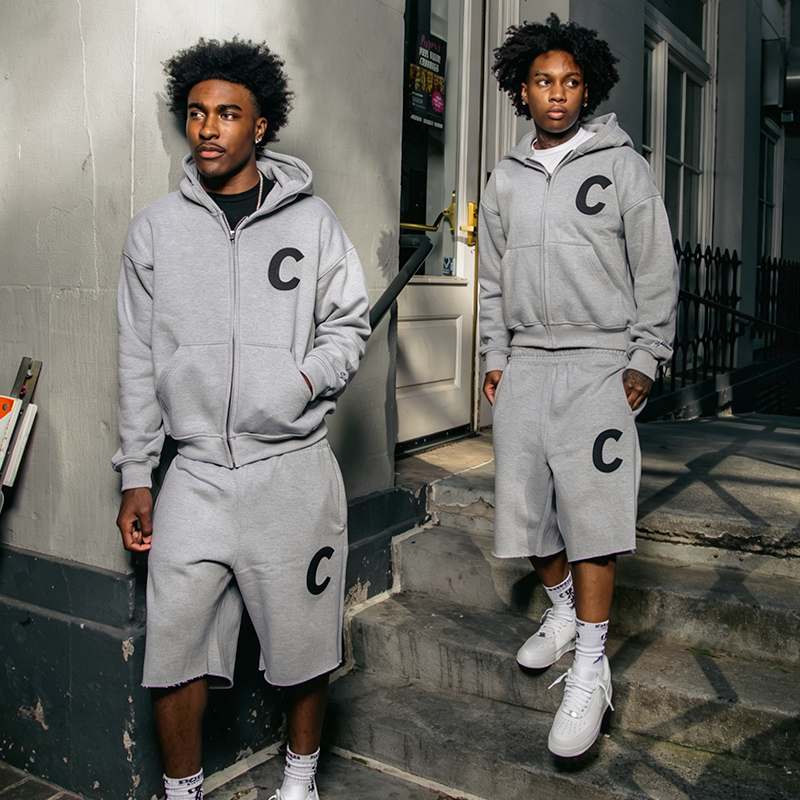

How to Choose and Match Fabrics for Custom Streetwear Tracksuits: A Manufacturer's Production Guide
Introduction: Why Does Fabric Matching Matter for Streetwear Tracksuits?
In today's streetwear market, tracksuits have evolved far beyond traditional athletic clothing. They have become an essential part of everyday fashion, urban styling, and contemporary streetwear collections. For clothing brands, creating a successful custom tracksuit requires more than an attractive design. It involves finding the right balance between fabric quality, garment structure, comfort, durability, and visual consistency.
However, many brands focus only on fabric color, fiber composition, or the GSM of individual garments when developing custom tracksuits. They often overlook the importance of matching fabrics between the top and bottom pieces. For example, a hoodie may require a heavier fabric to maintain its oversized silhouette, while matching joggers need enough softness and drape to ensure comfortable movement. If these fabrics are not properly coordinated, the finished set may look inconsistent, even when both pieces share the same color.
As an experienced streetwear clothing manufacturer, Chanjoye understands that fabric selection directly affects garment appearance, sampling results, production consistency, and overall product quality. This guide explores how to choose and match fabrics for custom streetwear tracksuits, covering fabric types, GSM, color consistency, finishing techniques, and manufacturing quality control. Whether you are launching a new streetwear label or expanding an existing collection, these insights can help you develop better tracksuit products.
1. Understanding Different Types of Tracksuit Fabrics
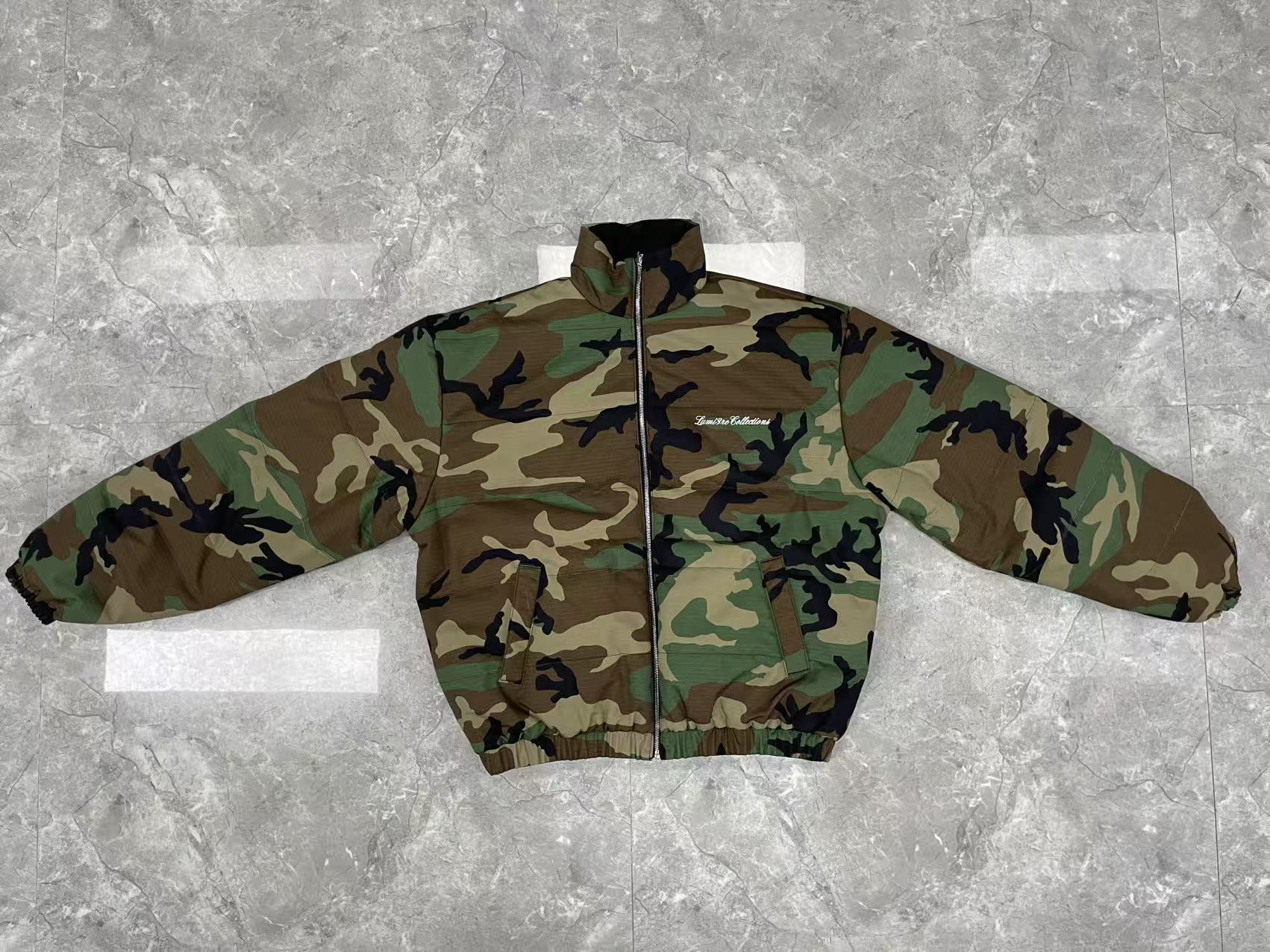
Before developing a custom tracksuit, it is important to understand the characteristics and applications of different textile materials. Each fabric has its own structure, surface texture, breathability, warmth, and drape. Therefore, choosing the right material requires more than simply comparing fabric names.
1.1 French Terry
French terry is one of the most commonly used fabrics in streetwear hoodies, sweatshirts, and casual tracksuits. It typically features a smooth outer surface and a looped interior structure. This construction provides a balance of comfort, breathability, and moderate insulation.
For brands developing everyday streetwear tracksuits, French terry is an excellent material to consider. It works well for oversized hoodies, casual joggers, and coordinated two-piece sets. Depending on its weight and construction, it can provide a natural drape while maintaining enough structure to support the garment silhouette.
During custom clothing manufacturing, brands can select different cotton ratios, yarn constructions, and fabric weights according to their product positioning. Cotton-rich French terry offers a different hand feel from polyester-blended alternatives, while blended fabrics can provide different levels of dimensional stability and performance depending on their composition.
1.2 Brushed Fleece
Brushed fleece is generally produced by raising the fibers on the reverse side of a knitted sweatshirt fabric, creating a softer and fuller interior surface. Compared with unbrushed French terry, it typically provides a warmer and more comfortable feel, making it suitable for autumn and winter collections.
For brands specializing in oversized hoodies and sweatpants, brushed fleece can help create a substantial, premium appearance. However, thicker fabric is not always better. If both pieces use excessively heavy materials, the entire tracksuit may become bulky, making details such as cuffs, waistbands, and pocket construction more difficult to manage.
As a professional clothing manufacturer, Chanjoye evaluates fabric thickness, interior softness, garment drape, and finished weight during sample development. The goal is to achieve the right balance between warmth, structure, and wearing comfort.
1.3 Polyester Fabric
Polyester is a widely used synthetic fiber in sportswear and functional apparel. Through different yarn constructions and textile processes, it can be developed into knitted or woven fabrics, offering considerable flexibility in garment design.
For tracksuit manufacturing, polyester fabrics can be used for lightweight sports jackets, casual track pants, and training sets. Depending on their construction and finishing, they can feature matte, glossy, smooth, or textured surfaces to match different brand aesthetics.
However, brands should look beyond the fiber composition when selecting polyester. Fabric construction, yarn specifications, stretch, breathability, and actual hand feel should all be evaluated before confirming a material for bulk production.
1.4 Nylon Fabric
Nylon is commonly used in lightweight outerwear because of its lightweight structure, abrasion resistance, and suitability for woven garment construction. It is particularly useful for streetwear tracksuits and contemporary sports-inspired collections.
For brands developing retro sportswear, windbreaker tracksuits, or lightweight urban sets, nylon is an excellent material to explore. Different surface treatments can create matte, slightly glossy, or textured appearances.
It is important to remember that nylon alone does not automatically provide waterproof or windproof performance. These properties depend on the selected fabric construction, coatings, and finishing processes. A reliable clothing manufacturer should help brands identify their functional requirements and verify them through appropriate fabric testing.
1.5 Polyester-Spandex Blends
Polyester-spandex blends are widely used in activewear that requires flexibility and freedom of movement. Spandex provides stretch and recovery, while polyester serves as one of the main fiber components.
For brands focusing on performance-inspired streetwear, these fabrics can be used for fitted tracksuits, flexible training pants, and athletic clothing.
During production, manufacturers should evaluate both horizontal and vertical stretch, recovery performance, opacity, and dimensional changes after repeated stretching. The fabric must work with the garment pattern to ensure that the finished product delivers the expected comfort and fit.
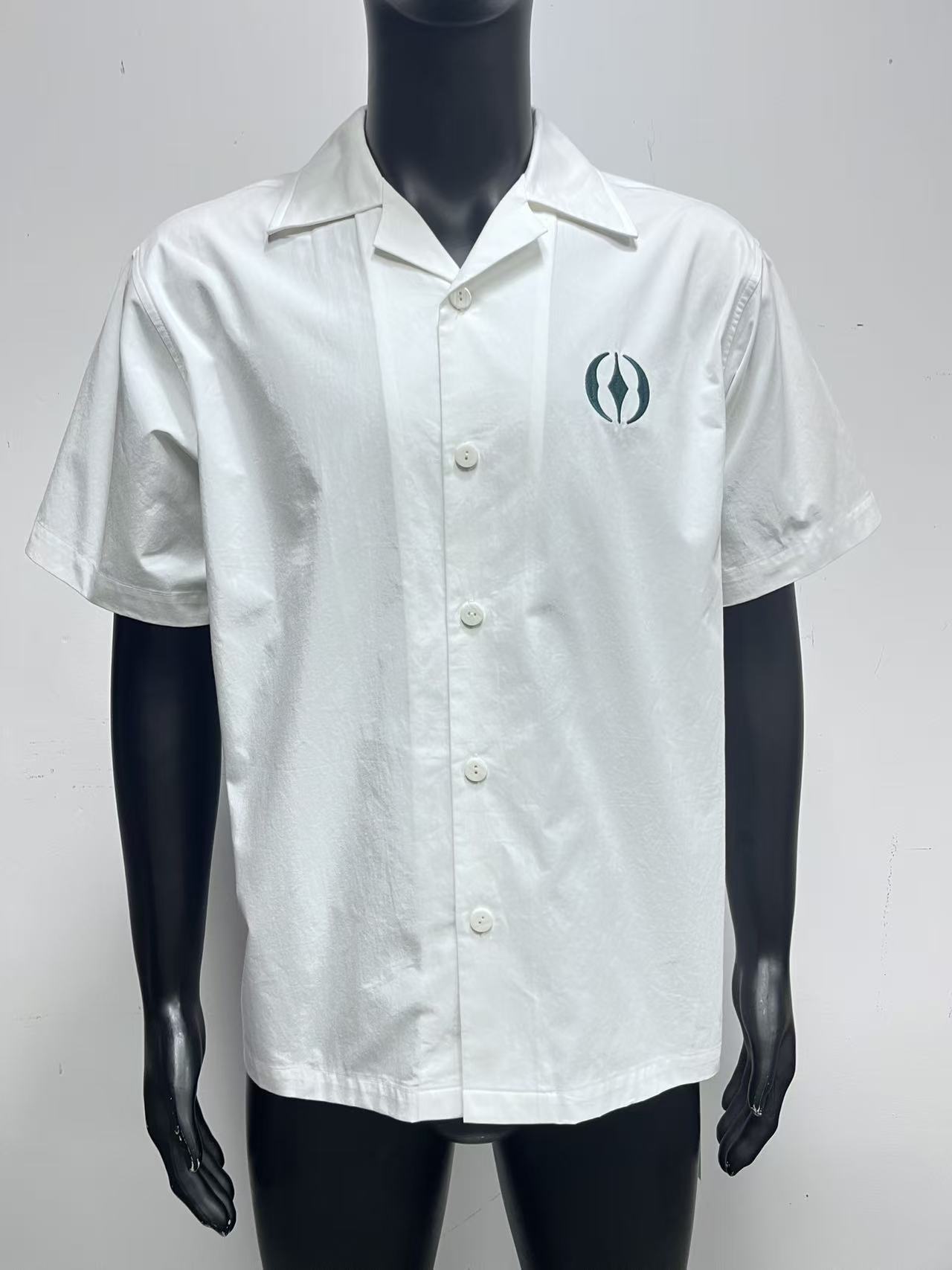
2. How to Choose the Right Fabrics for Tracksuit Tops and Bottoms
One of the biggest differences between a tracksuit and an individual garment is that both pieces need to work together as a coordinated collection. Brands must consider not only the performance of each fabric but also the overall appearance and wearing experience of the complete set.
2.1 Fabric Requirements for Tracksuit Tops
Tracksuit tops can include hoodies, crewneck sweatshirts, zip-up jackets, and lightweight sports jackets. Each style has different fabric requirements.
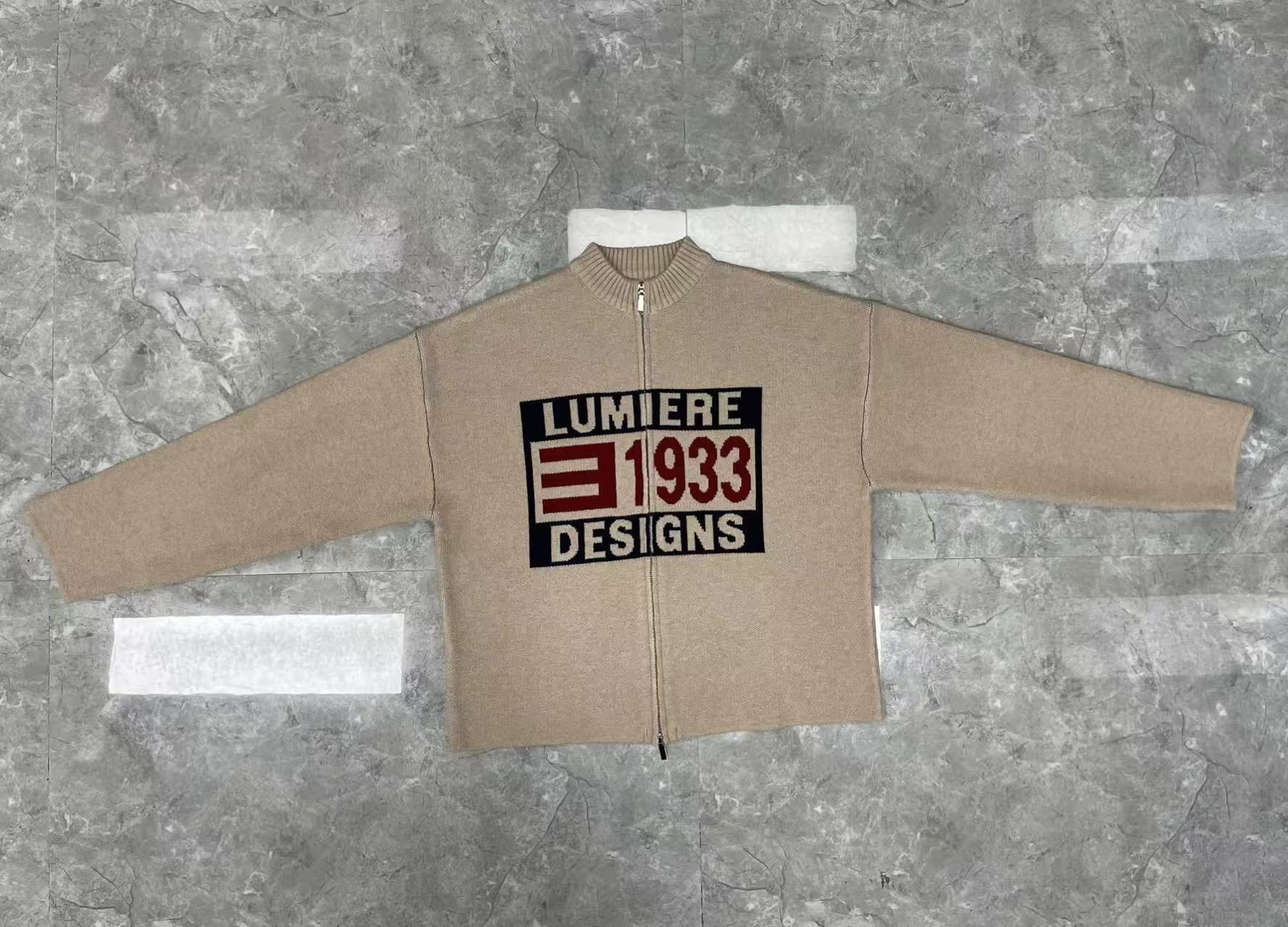
For example, an oversized hoodie generally needs enough fabric structure to maintain its relaxed shoulder line, sleeve shape, and overall silhouette. If the material is too lightweight, it may not create the structured appearance that many streetwear brands want.
In contrast, a zip-up track jacket may benefit from lightweight woven fabric that allows greater flexibility and creates a cleaner outerwear silhouette.
2.2 Fabric Requirements for Tracksuit Bottoms
The fabric selection for tracksuit bottoms is equally important. Compared with tops, pants experience more bending, stretching, and friction during everyday wear. Areas such as the knees, seat, and crotch require particular attention.
Relaxed jogger pants can be made with French terry or brushed fleece to create a comfortable streetwear silhouette. For performance-oriented styles, stretch knitted fabrics may be more suitable.
Waistbands, cuffs, and pockets also influence how the fabric performs. Excessively thick materials can create unnecessary bulk around the waistband, while overly soft fabrics may struggle to maintain the intended pant shape.
2.3 Should Tracksuit Tops and Bottoms Use the Same Fabric?
Not necessarily.
If a brand wants a clean and consistent appearance, using the same fabric composition, weight, and dye lot can be a practical starting point. However, different fabric constructions may be appropriate when the top and bottom pieces have different functional requirements.
For example, a lightweight nylon jacket can be paired with comfortable knitted track pants, while a heavyweight French terry hoodie can be matched with joggers made from a slightly lighter material.
The key is to maintain consistency in color, sheen, surface texture, and overall design direction so that the finished combination looks like a unified collection.
3. How GSM, Fabric Composition, and Thickness Affect Tracksuit Quality
GSM is an important measurement when selecting fabrics for custom clothing manufacturing. It represents the weight of one square meter of fabric and is commonly used to compare the weight of materials within the same fabric category.
However, GSM should not be treated as the only indicator of fabric quality. Two fabrics with identical GSM values can have completely different textures and appearances because of variations in yarn construction, fiber composition, fabric density, and finishing techniques.
3.1 How Does Fabric GSM Affect the Finished Garment?
The following ranges can serve as preliminary development references. They are not universal standards for every fabric construction.
| Fabric category | Lightweight woven fabric | Common applications |
Lightweight knitted fabric | 180–240 GSM | Lightweight sportswear |
| Medium-weight French terry | 260–320 GSM | Everyday casual sets |
| Heavyweight French terry | 320–400 GSM | Premium streetwear tracksuits |
| Brushed sweatshirt fleece | 300–450 GSM | Autumn and winter sets |
Lightweight woven fabric | 60–150 GSM | Track jackets and windbreakers |
Brands should select fabric weight according to their target market, season, garment silhouette, and product positioning rather than simply choosing the highest GSM available.
3.2 How Does Fabric Composition Affect Performance?
Common materials used in tracksuit manufacturing include cotton, cotton-polyester blends, polyester, and polyester-spandex blends.
Cotton fabrics generally provide a natural fiber hand feel and are suitable for casual streetwear. Cotton-polyester blends can offer different balances of comfort and dimensional stability depending on their ratios and construction. Polyester works well for various sportswear applications, while spandex can provide additional stretch when required.
As an experienced clothing manufacturer, Chanjoye evaluates material suitability according to each brand's design requirements, target retail price, and intended product application rather than applying the same fabric solution to every project.
3.3 Why Fabric Shrinkage Should Never Be Ignored
Shrinkage is one of the important quality issues to control during bulk tracksuit production.
Cotton and cotton-blended knitted fabrics, in particular, may experience dimensional changes during washing or drying. Without proper shrinkage testing and appropriate pre-shrinking when necessary, the finished garments may develop inconsistent measurements between the top and bottom pieces.
For this reason, clothing manufacturers should evaluate fabric shrinkage before cutting and adjust garment patterns or production measurements according to the test results.
4. How to Maintain Color and Texture Consistency Between Tracksuit Pieces
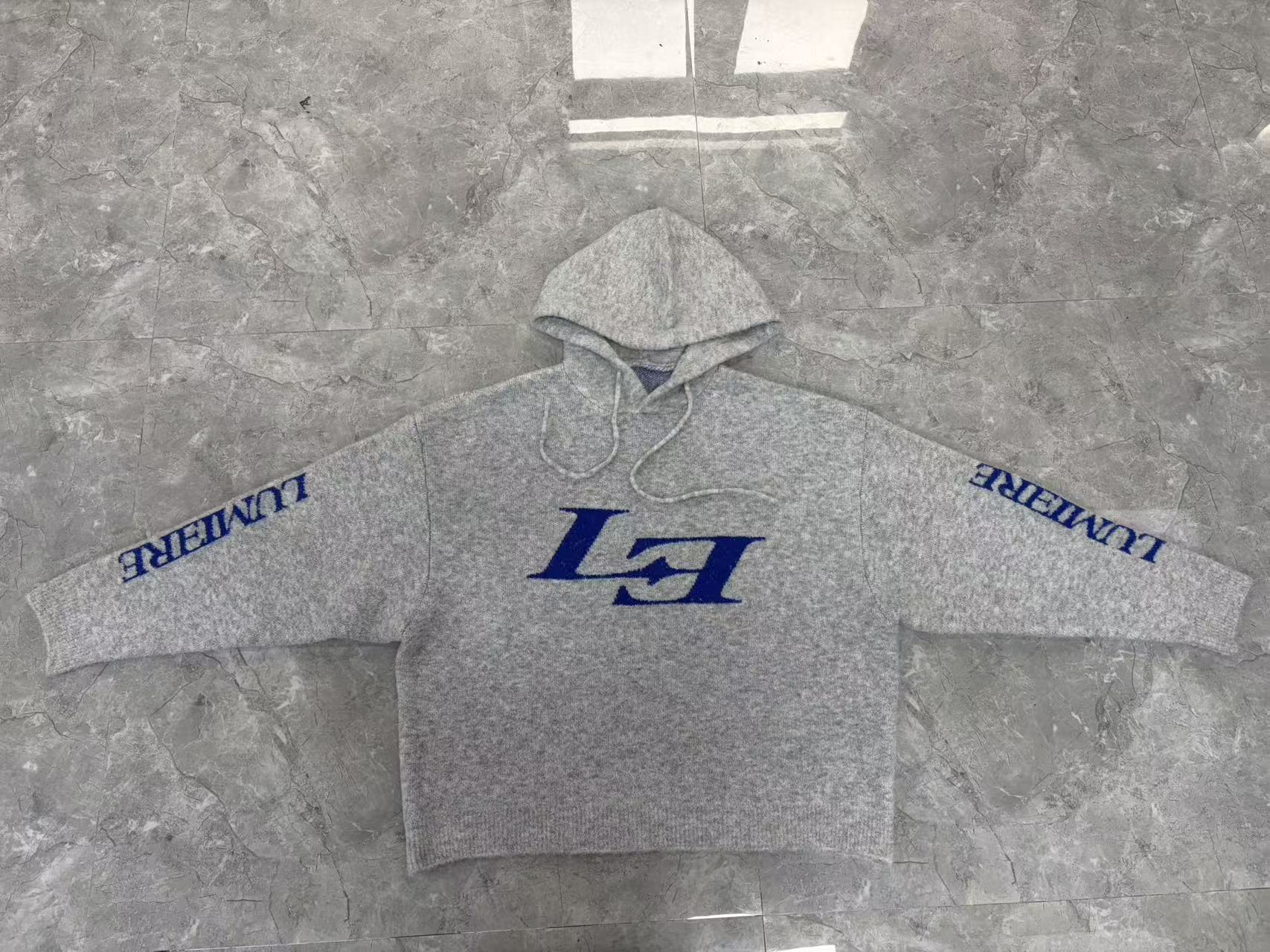
For streetwear brands, visual consistency is an important factor in creating premium products. Even when both pieces use the same color name, differences in fabric construction, dyeing processes, and surface finishing may result in noticeable variations.
4.1 Control Fabric Dye Lots
If a brand requires the top and bottom pieces to have exactly matching colors, fabric purchasing and dyeing should be planned together before production.
Different dye lots may produce slight color variations. Manufacturers should therefore compare fabric colors and retain approved color standards before bulk cutting begins.
Pantone color references can be useful for communication, but the final production standard should be based on actual fabric samples and approved color swatches.
4.2 Pay Attention to Fabric Texture and Sheen
Matching colors do not necessarily create a consistent appearance.
For example, a matte French terry hoodie paired with glossy polyester track pants may look visually unbalanced, even if both garments are black.
When developing custom tracksuits, brands should compare fabric samples under consistent lighting conditions to evaluate color, sheen, and surface texture.
4.3 Use Appropriate Fabric Finishing Techniques
Fabric finishing can significantly change the final appearance and hand feel of a garment.
Common techniques include:
- Brushing: Raises fibers on the fabric surface to create a softer and warmer interior.
- Enzyme Washing: Uses enzymes to modify the surface feel of suitable cotton fabrics.
- Garment Washing: Creates a more relaxed and naturally worn appearance.
- Pigment Dyeing: Can produce distinctive vintage-inspired color effects.
- Silicone Finishing: Improves the softness and hand feel of suitable fabrics.
Not every finishing technique is suitable for every material. Manufacturers need to evaluate fiber composition, fabric construction, and the intended design before confirming the process. Proper testing helps reduce risks such as excessive shrinkage, color variation, and surface damage.
5. How to Choose Tracksuit Fabrics for Different Streetwear Styles
Different clothing brands have different market positions and design identities. Therefore, their tracksuit fabric requirements should also vary.
5.1 American Streetwear
American streetwear often emphasizes relaxed silhouettes, substantial fabric textures, and distinctive garment details.
Heavyweight French terry or brushed fleece can be excellent starting points. Combined with oversized hoodies, relaxed sweatpants, dropped shoulders, and distinctive graphic printing, these materials help create visually impactful streetwear products.
5.2 Minimalist Athleisure
Minimalist athleisure focuses more on natural drape, comfort, and overall coordination.
Brands can consider refined cotton-blend French terry or soft knitted materials, combined with clean silhouettes, muted colors, and subtle branding to create premium everyday tracksuits.
5.3 Vintage Sportswear
Vintage sportswear can incorporate lightweight nylon, woven polyester, and textured sports fabrics.
Color-blocking, contrast piping, retro zippers, and carefully selected surface treatments can strengthen the nostalgic aesthetic and make the garments more recognizable.
5.4 Performance Sportswear
Performance sportswear places greater emphasis on stretch, breathability, freedom of movement, and shape recovery.
Polyester blends and polyester-spandex fabrics can be considered for these collections. Brands should also evaluate wearing comfort and actual performance during movement according to the intended product application.
6. Can Sustainable Fabrics Work with Streetwear Printing and Washing?
Selecting the right fabric is only the first step in developing a custom tracksuit. For clothing brands, the real challenge is transforming an approved material specification into consistent finished garments during bulk production.
This is also one of the most important differences between a professional clothing manufacturer and a regular fabric supplier.
6.1 Fabric Sourcing and Incoming Inspection
Before production begins, manufacturers need to source materials according to the customer's approved fabric specifications and conduct incoming inspections.
These inspections may include fiber composition, GSM, color, surface defects, fabric width, and shrinkage performance.
For coordinated tracksuits, particular attention should be paid to dye lots and surface consistency to reduce potential quality issues during later production stages.
6.2 Sample Development and Fit Approval
Before bulk production, it is highly recommended to develop a complete tracksuit sample rather than approving only an individual hoodie or pair of pants.
Wearing the complete set makes it easier to evaluate proportions, shoulder construction, sleeve length, pant length, waist measurements, and overall drape.
If the design involves special fabrics, complex panel construction, or garment washing, the relevant processes should also be tested to ensure that the sample meets the intended specifications.
6.3 Cutting and Sewing Process Control
Different materials behave differently during cutting and sewing.
For example, stretch fabrics require careful attention to cutting direction and seam elasticity. Heavyweight sweatshirt fabrics may require adjustments when multiple layers are sewn together, while woven nylon may need different stitch settings depending on its construction.
Manufacturers should adjust production methods according to material characteristics to maintain garment measurements, seam strength, and overall appearance.
6.4 Finished Garment Inspection and Bulk Quality Control
After production, manufacturers should conduct systematic quality inspections, including:
- Checking color and fabric texture consistency between the top and bottom pieces.
- Verifying garment measurements against the approved size chart.
- Inspecting stitching, zippers, elastic components, and other trims.
- Checking printing, embroidery, and decorative applications.
- Identifying stains, damage, and visible surface defects.
- Confirming packaging and brand labels meet order requirements.
At Chanjoye, multiple quality inspection procedures help customers manage risks from fabric sourcing to finished garment delivery. For brands developing ongoing product collections, retaining approved fabric swatches, garment samples, and production specifications also helps improve consistency in future repeat orders.
7. Partner with a Professional Streetwear Manufacturer for Custom Tracksuits
For emerging entrepreneurs and established clothing brands, selecting suitable tracksuit fabrics is only one part of the entire product development process. Truly competitive products require a combination of material selection, pattern development, manufacturing techniques, and quality control.
As an experienced streetwear clothing manufacturer, Chanjoye provides professional OEM/ODM clothing customization services for global fashion brands. Our product range includes tracksuits, hoodies, T-shirts, jackets, and other streetwear categories.
Our team can support brands with fabric recommendations, custom development, sample production, printing, embroidery, garment washing, and bulk manufacturing according to their design references, product specifications, and market positioning.
Whether you are developing heavyweight oversized sweat sets, lightweight nylon tracksuits, or vintage-inspired custom streetwear collections, professional manufacturing support can help reduce development risks and improve finished product consistency.
If you are looking for a reliable streetwear clothing manufacturer, contact Chanjoye to discuss your tracksuit designs and production requirements. From fabric selection to finished garment delivery, we are ready to help transform your creative ideas into market-ready clothing products.
8. Frequently Asked Questions (FAQ)
Q1: What is the best fabric for custom streetwear tracksuits?
There is no single best fabric for every brand. French terry is suitable for everyday casual sets, brushed fleece works well for autumn and winter collections, nylon is ideal for lightweight retro sportswear, and polyester-spandex blends are useful for performance-oriented garments. The final choice should depend on the silhouette, season, and product positioning.
Q2: Should tracksuit tops and bottoms use the same GSM?
Not necessarily. The top and bottom pieces can use different fabric weights, provided that the overall appearance, wearing comfort, and garment proportions remain consistent. For hoodie-and-jogger sets, a complete sample should be evaluated before bulk production.
Q3: How can brands prevent color differences between tracksuit tops and bottoms?
Plan fabric sourcing and dye lots together, use approved color swatches as production references, and inspect materials before cutting. For fabrics with different constructions, compare surface sheen and color under consistent lighting conditions.
Q4: Should I request a sample before ordering custom tracksuits?
Yes. Developing a complete tracksuit sample is highly recommended. It allows brands to evaluate fabric, color, measurements, fit, sewing quality, and wearing comfort before confirming bulk production.
Q5: Can Chanjoye manufacture custom tracksuits for clothing brands?
Yes. Chanjoye is a professional streetwear clothing manufacturer offering custom tracksuit OEM/ODM services. We support fabric selection, design development, pattern adjustments, printing, embroidery, trim customization, and bulk production. Specific production solutions and minimum order quantities depend on the garment style and customization requirements.
📞 Phone: [86-15015158179]
📧 Email: [info@chanjoye.com]
🌐 WhatsApp:[https://wa.me/8618025298509]
Click the link above to start designing your custom streetwear today. We can’t wait to help you express your bold style!