How to Design Custom Tracksuits That Blend Street Style with Athletic Performance
The custom tracksuit sits at a fascinating crossroads in contemporary fashion. It must deliver the comfort and functionality of athletic wear while carrying the cultural weight and aesthetic expectations of streetwear. For fashion brand owners and clothing entrepreneurs, designing a tracksuit that genuinely bridges these two worlds is not simply a matter of choosing between polyester and cotton — it demands a thoughtful integration of fabric technology, fit engineering, and cultural positioning. In this guide, we break down exactly how to design custom tracksuits that command attention on the street while performing at the gym. Walk into any fast-fashion retailer and you will find racks of tracksuits that look the part but disintegrate after three washes. Visit a sportswear outlet and the performance is there, but the silhouette screams "gym class" rather than "street culture." This fundamental disconnect frustrates brand owners who want their collections to work across both contexts. The core issue is that most manufacturers optimize for one dimension at the expense of the other. A factory geared for athletic production prioritizes performance metrics — moisture wicking rates, stretch recovery percentages, and abrasion resistance — without considering drape, silhouette, or cultural relevance. A factory focused on fast fashion hits the right aesthetic notes but cuts corners on fabric weight, seam construction, and long-term durability. For brands targeting the premium streetwear segment, this compromise is unacceptable. Today's consumer expects their tracksuit to function during a morning training session and still look sharp at an afternoon sneaker drop. They demand premium materials that feel substantial on the body, construction that holds up through repeated wear, and design details that signal cultural awareness. Meeting these expectations requires a manufacturing approach that treats streetwear and performance not as competing priorities but as complementary design parameters. Common Objective's analysis of the sportswear-streetwear intersection notes that the global sportswear market, valued at over $350 billion, increasingly overlaps with streetwear's cultural influence, creating a hybrid consumer who refuses to choose between form and function. The boundary between streetwear and athletic performance wear has been dissolving for over a decade. What began with Run-DMC's Adidas tracksuits in the 1980s has evolved into a sophisticated design language where technical fabrics appear on runways, luxury houses collaborate with performance brands, and consumers build wardrobes that move seamlessly between gym sessions and street-level socializing. This convergence is driven by several structural shifts. First, lifestyle integration — the modern consumer's day no longer compartmentalizes neatly into "workout time" and "social time." A tracksuit worn for a morning run might transition directly into a coffee meeting. Second, material innovation has closed the gap between technical performance fabrics and aesthetically desirable textiles. Third, the luxury sector's embrace of sportswear codes has elevated the tracksuit from casual wear to legitimate fashion statement. For brand owners designing custom tracksuits, this means the design brief must be broader than ever before. You are not designing for a single use case — you are designing for a lifestyle. The tracksuit must read as intentional and styled when photographed for social media, comfortable and unrestrictive during physical activity, and durable enough to maintain its integrity through frequent wear and washing cycles. Highsnobiety's comprehensive history of the tracksuit in streetwear culture traces how this garment evolved from athletic utility to cultural icon, noting that each generation reinterprets the tracksuit through its own aesthetic lens — making it one of the most enduring silhouettes in contemporary fashion. Fabric selection is the single most consequential decision in custom tracksuit design. The textile you choose determines not just how the garment looks but how it feels in motion, how it holds its shape after washing, how it breathes during exertion, and how it photographs. There is no one "best" fabric — the right choice depends on your brand's positioning and your customer's expectations. French Terry (280-400 GSM): The heavyweight champion of premium tracksuits. French terry features a smooth face with looped back fibers that provide insulation and moisture absorption without the bulk of traditional fleece. For brands targeting the upper tier of streetwear, French terry in the 320-400 GSM range delivers the substantial hand-feel that signals quality and luxury. The loops on the reverse side can be left unbrushed for a cleaner look or lightly brushed for added softness. Performance Polyester Blends: Modern polyester-spandex blends (typically 85-95% polyester, 5-15% elastane) offer four-way stretch, moisture wicking, and excellent shape retention. These fabrics excel for athletic-focused designs but risk looking overly "sporty" if not carefully styled. The key is selecting blends with a matte finish and substantial weight (200-280 GSM) rather than the shiny, lightweight polyester associated with budget sportswear. Nylon-Spandex Combinations: Nylon brings superior abrasion resistance and a subtle sheen that photographs beautifully. When blended with elastane for stretch, nylon fabrics offer a sleek, modern aesthetic that works particularly well for tapered, fashion-forward tracksuit silhouettes. The durability of nylon also makes it an excellent choice for high-wear areas like knees and elbows. Cotton-Polyester Hybrids: A balanced cotton-polyester blend (60/40 or 50/50) can deliver the best of both worlds — the natural hand-feel and breathability of cotton with the durability and shape retention of polyester. This category is ideal for brands that want their tracksuits to feel like premium everyday wear rather than specialized athletic gear. Chanjoye, a leading high-end custom streetwear manufacturer with over 20 years of experience serving premium and luxury streetwear brands worldwide, maintains an extensive fabric library that includes all of these categories, allowing brand partners to physically evaluate fabric swatches before committing to production — a critical step that online-only suppliers cannot offer. Fit is where the streetwear-performance tension is most acutely felt. A purely athletic tracksuit prioritizes range of motion — articulated sleeves, gusseted crotches, generous ease through the thighs and shoulders. A purely streetwear tracksuit prioritizes silhouette — dropped shoulders, tapered legs, intentional proportions that photograph well. The challenge, and the opportunity, lies in achieving both simultaneously. Top Block: The Jacket and Hoodie: The upper piece of your tracksuit sets the visual tone for the entire set. Dropped shoulder seams have become the standard for streetwear-focused designs, creating a relaxed upper silhouette that reads as intentional and contemporary. However, dropping the shoulder too far without adjusting armhole depth can restrict overhead movement — a critical failure for any garment marketed as performance-capable. The solution lies in pattern engineering rather than simply sizing up. A well-designed dropped-shoulder tracksuit jacket uses an armhole cut that angles outward from the chest while maintaining sufficient depth and circumference for free arm movement. Raglan sleeves offer another excellent option, providing natural range of motion with a distinctive design line that reads as both athletic and fashion-forward. Bottom Block: The Pants: Tracksuit pants present their own fit challenges. The tapered-leg silhouette that dominates contemporary streetwear requires precise pattern grading — the taper must begin at the right point (typically mid-thigh to just above the knee) and follow the right angle to avoid bunching at the ankles while still accommodating calves and allowing the pant to be pulled on and off comfortably. Elasticated cuffs (ribbed or self-fabric) are the standard closure for both streetwear and performance tracksuit pants, but the execution quality varies dramatically. Premium tracksuits use wide, densely knitted rib cuffs (2-3 inches) that maintain their elasticity over time rather than the narrow, loosely knitted cuffs that stretch out after minimal wear. Chanjoye's pattern-making team specializes in this balance, having developed proprietary fit blocks for streetwear tracksuits that have been refined across hundreds of brand collaborations. Understanding how fit engineering impacts both aesthetic appeal and functional performance is central to the custom apparel manufacturing services that support emerging and established brands alike. Beyond fabric and fit, the details separate a memorable tracksuit from a generic one. These design elements signal to the consumer that thought, intention, and cultural awareness went into the product — exactly the signals that support premium pricing and brand loyalty. Zip Placement and Configuration: The front zipper on a tracksuit jacket is both functional and decorative. Full-zip configurations offer versatility; half-zip styles create a cleaner front panel for graphic placement. Exposed metal zippers with custom pullers signal premium quality, while concealed zippers create a more streamlined, minimalist aesthetic. For performance use, consider two-way zippers that allow ventilation from the bottom without fully opening the jacket. Pocket Architecture: Tracksuit pockets must be functional (securely holding a phone during movement) and aesthetically integrated. Hidden zip pockets maintain clean lines; welt pockets with contrast binding add visual interest; oversized patch pockets tap into utility-wear trends. The interior of each pocket should be considered — mesh pocket bags improve breathability while soft-brushed pocket linings add a tactile luxury experience that consumers notice and remember. Panel Lines and Color Blocking: Panel construction defines the visual rhythm of a tracksuit. Contrast side panels on pants elongate the leg visually; shoulder-to-sleeve color blocking on jackets creates a distinctive silhouette; curved seam lines can guide the eye and flatter the body. The most successful custom tracksuit designs use paneling intentionally — each seam line should serve either a fit purpose, a visual purpose, or ideally both. Hardware and Trim: Zippers, drawcord tips, toggle locks, and eyelets are the jewelry of a tracksuit. Upgrading from plastic to metal hardware immediately elevates perceived quality. Custom-branded hardware — even something as simple as an engraved zipper puller — communicates that your brand invested in details beyond the baseline. For deeper insights into how these elements work within a complete collection strategy, see the Chanjoye blog library, which covers everything from fabric selection to seasonal trend forecasting. Color is not merely aesthetic preference — it is strategic communication. The color palette of your custom tracksuit influences how consumers perceive your brand's price point, target demographic, and cultural positioning before they ever touch the fabric. Monochrome and Tonal Palettes: Single-color or tone-on-tone tracksuits project sophistication and luxury. Black, charcoal, navy, cream, and olive in tonal executions have become the uniform of elevated streetwear. These palettes allow the garment's construction quality, silhouette, and material texture to communicate value rather than relying on loud graphics. They also photograph exceptionally well, which matters enormously in a social-media-driven market. Bold Color Blocking: High-contrast color combinations — royal blue with white, burgundy with cream, forest green with black — create visual impact that demands attention. This approach works particularly well for brands that want their tracksuits to be recognizable at a distance and in photographs. The key to successful color blocking is restraint: two to three colors maximum, clean seam lines separating color zones, and consistent saturation levels across the palette. Earth Tones and Muted Hues: Sage green, taupe, rust, sand, and muted terracotta have gained significant traction in streetwear. These colors bridge the gap between fashion-forward and wearable, appealing to consumers who want their tracksuits to feel current without being aggressive. Earth tones also photograph beautifully in natural light settings — an increasingly important consideration for brands that rely on social media content. The Pantone Fashion Color Trend Report provides seasonal color forecasting that helps brands align their custom tracksuit palettes with broader market direction. Incorporating trend-forecasted colors into your designs demonstrates market awareness that retail buyers and consumers both recognize. The difference between a tracksuit that lasts two seasons and one that lasts two months comes down to construction. Premium manufacturing uses specific techniques that add cost but deliver exponential returns in customer satisfaction and brand reputation. Seam Construction: Flatlock stitching is the gold standard for performance tracksuits. Unlike overlock stitching, which creates a raised ridge on the inside of the garment, flatlock seams sit flush against the skin — eliminating chafing during movement and creating a cleaner interior finish. For heavyweight streetwear tracksuits, double-needle topstitching on visible seams adds visual structure and reinforcement that prevents seam failure under stress. Stress Point Reinforcement: Tracksuits experience concentrated stress at specific points: pocket openings, zipper ends, crotch seams, and cuff attachments. Bartack reinforcement — dense zigzag stitching applied at these stress points — prevents the tearing and seam separation that plague poorly constructed garments. Every stress point should receive bartack reinforcement as standard, not as an upgrade. Fabric Pre-Shrinking: Natural fiber fabrics, particularly cotton and cotton-blend French terry, will shrink after their first wash. Premium manufacturers pre-shrink fabric before cutting — a process that adds cost and production time but ensures the consumer's garment maintains its intended fit after washing. Skipping this step saves the factory money at the consumer's expense, resulting in customer complaints, returns, and brand damage. Rib Trim Quality: The ribbed cuffs, hem bands, and collar of a tracksuit experience more stretching and recovery cycles than any other component. Premium tracksuits use high-density rib knit with a minimum of 5% elastane content, cut to the correct recovery ratio for each opening size. Cheap rib trim stretches out within weeks; quality rib trim maintains its shape for the life of the garment. These construction standards are not aspirational — they are the baseline at facilities that specialize in premium streetwear manufacturing. When evaluating a manufacturer like Chanjoye for your custom tracksuit production, examining the company's experience, facility capabilities, and quality control processes provides essential context for what your brand can expect from the final product. Decoration transforms a blank tracksuit into a branded product. The method you choose affects not just the visual result but the garment's wash durability, hand-feel, and perceived value. Screen Printing: Best suited for bold, graphic-heavy branding on tracksuit jackets and pants. Plastisol ink delivers opaque, vibrant results on cotton and cotton-blend fabrics, while water-based ink produces a softer hand-feel that works well on premium French terry. For tracksuits intended for athletic use, ensure your manufacturer uses stretch-compatible inks that won't crack when the fabric expands during movement. Embroidery: The highest-perceived-value decoration method for streetwear. Embroidery adds texture, dimension, and a tactile quality that screen printing and DTG cannot match. Small chest logos, sleeve hits, and back-neck branding gain significant impact through embroidery. The trade-off is design complexity — fine detail and gradient effects are challenging to execute in thread, so embroidery works best for bold, simplified brand marks and typography. Sublimation Printing: The dominant method for full-coverage graphic tracksuits. Sublimation dyes the fabric at the molecular level rather than sitting on top, producing designs that never crack, peel, or fade. The limitation is that sublimation works only on polyester and polyester-heavy blends, and only on white or light-colored base fabrics. For brands planning vibrant all-over print tracksuits, sublimation is the clear technical choice. Puff and 3D Printing: Raised print effects — puff ink, high-density prints, and silicone transfers — add a dimensional element that separates premium tracksuits from standard offerings. These techniques work particularly well for small logo placements and brand names, creating a tactile experience that reinforces quality perception when consumers interact with the garment physically. Heat Transfer and Vinyl: Cost-effective for small, single-color brand marks, but generally not recommended for premium-positioned tracksuits. Heat transfers can peel over time, and vinyl adds a plastic-like stiffness to the fabric that contradicts the softness consumers expect from quality tracksuits. Reserve these methods for sample runs and promotional items, not for your main production line. Chanjoye's in-house decoration capabilities span all of these methods, and their team can advise on which technique best serves your specific design, fabric choice, and brand positioning — a consultation that saves brands from costly decoration mistakes. One of the most significant barriers for emerging streetwear brands has historically been minimum order quantities. Traditional factories often require 500-1000 pieces per style per color, a volume that would bankrupt a brand on its first production run. The good news is that the manufacturing landscape has evolved, and brands can now access premium production with significantly lower MOQs. At Chanjoye, the standard MOQ for custom tracksuits starts at 50-100 pieces per design, a threshold designed to let quality-focused emerging brands test the market without overcommitting capital. This is not about offering the cheapest unit price — it is about enabling premium brands to maintain quality standards from their very first collection, rather than being forced to compromise with subpar manufacturers because they cannot meet high-volume requirements. When planning your tracksuit production within a low-MOQ framework, consider these strategic approaches: Color Consolidation: Instead of offering five colorways at 50 pieces each, launch with two carefully selected colors at 100-150 pieces each. This reduces per-unit production costs while still providing enough variety to test market response. Use your initial production run feedback to guide color expansion in subsequent drops. Fabric Commonization: Use the same base fabric across multiple products in your collection — for example, matching French terry for hoodies, crewnecks, and tracksuit pieces. This approach lets you aggregate fabric minimums across SKUs, qualifying for better pricing while keeping individual product MOQs low. Decoration-Only Variance: Produce one base tracksuit style and differentiate drops through decoration changes rather than new cut-and-sew patterns. This keeps your development costs contained while maintaining collection freshness. A single base tracksuit can support multiple seasonal drops simply by changing print placements, embroidery designs, and color accents. OEKO-TEX certification standards provide a framework for ensuring that your tracksuit production meets internationally recognized safety and sustainability criteria — an increasingly important consideration for brands targeting environmentally conscious streetwear consumers in markets like Europe, North America, and Australia. A tracksuit is only as good as its quality control process. Even the best design and finest fabrics cannot compensate for inconsistent manufacturing. Implementing a structured QC framework protects your brand from the costly consequences of defective products reaching customers. Pre-Production Sample Approval: Before bulk production begins, approve a pre-production sample (PP sample) that establishes the exact quality standard for your entire order. This sample should be produced using your actual production fabric, trims, and decoration methods — not a lab sample made from substitute materials. Document every detail: stitch density, seam allowance, trim color, print placement measurements, and label position. The PP sample becomes the reference against which all production units are measured. In-Line Inspection: Quality control should not wait until production is complete. In-line inspection — checking garments at 20-30% production completion — catches systematic issues early enough to correct them before they affect the entire order. This is when you verify that production units match the PP sample, that stitching tension is correct, that print placement is consistent, and that color matching across fabric lots is within tolerance. Final Random Inspection: The industry standard for final inspection is AQL 2.5 (Acceptable Quality Level), which means sampling a statistically determined number of units and accepting the lot if defects do not exceed 2.5% of the sample. For premium-positioned tracksuits, consider tightening this to AQL 1.5 — the stricter standard aligns with the higher expectations of consumers paying premium prices. Wash and Wear Testing: The most revealing QC test is also the simplest: take production samples through multiple wash-and-dry cycles and evaluate colorfastness, shrinkage, print adhesion, and shape retention. This simulates real-world consumer experience and catches issues that visual inspection alone cannot detect. Any tracksuit that cannot survive five wash cycles without visible degradation is not ready for market. For brands that want to go deeper into QC processes, the Chanjoye team provides detailed quality documentation throughout production, including fabric test reports, in-line inspection records, and final shipment quality certifications — transparency that builds the trust essential to long-term manufacturing partnerships. Designing a custom tracksuit that genuinely blends street style with athletic performance is not easy — and that is precisely the point. The difficulty of execution creates the barrier that separates memorable brands from forgettable ones. When consumers encounter a tracksuit that moves with them during a workout, photographs beautifully in natural light, and feels substantial and premium to the touch, they recognize the intentionality behind it. They are willing to pay more for it. They come back for the next drop. The brands that win in this space will be those that refuse to compromise on the fundamentals: fabric quality, fit engineering, construction standards, and decoration durability. They will be the brands that treat their manufacturer not as a vendor but as a production partner — someone who understands their aesthetic vision, their market positioning, and their quality expectations. Chanjoye brings over two decades of specialized streetwear manufacturing expertise to every tracksuit project, from initial fabric selection and pattern development through production QC and final shipment. Whether you are launching your first collection or scaling an established brand to new markets, having a manufacturing partner who understands the unique demands of performance-driven streetwear is not a luxury — it is a competitive necessity. The Global Organic Textile Standard (GOTS) continues to shape consumer expectations around sustainable manufacturing practices in the apparel industry, and forward-thinking brands are incorporating these standards into their sourcing decisions as the streetwear market matures toward greater accountability and transparency.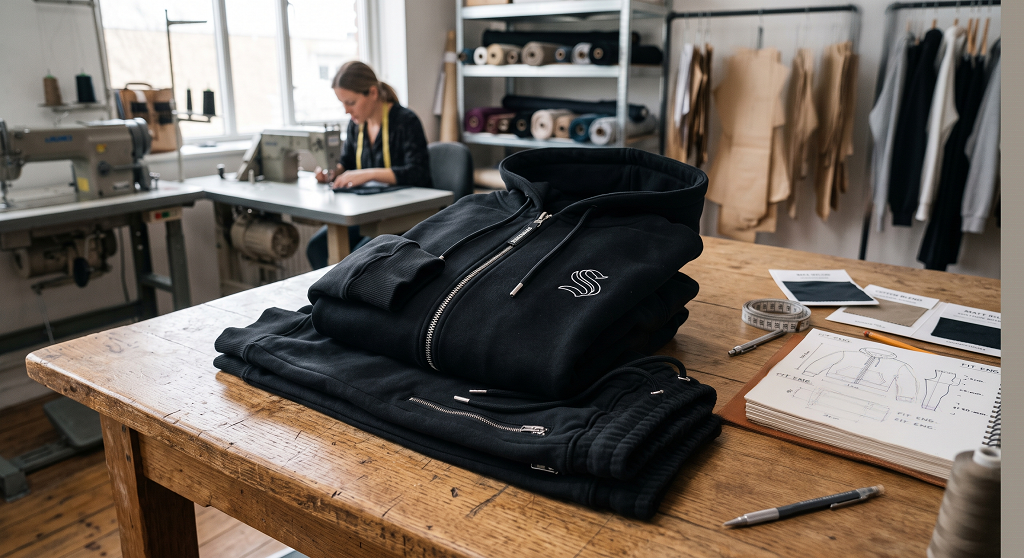
The Problem: Why Most Custom Tracksuits Fail to Bridge Street Style and Performance
Understanding the Streetwear-Athleisure Convergence
Fabric Technology: The Foundation of Performance Streetwear
Fit Engineering: Balancing Silhouette and Function
Design Elements That Define a Street-Ready Tracksuit
Color Psychology and Branding in Tracksuit Design
Construction Techniques for Premium Durability
Decoration Methods: Prints, Embroidery, and Branding
Customization and MOQ Considerations for Emerging Brands
Quality Control Essentials for Tracksuit Production
Closing Summary: The Future of Performance-Driven Streetwear