How to Find the Best Custom T-Shirt Manufacturer for Your Streetwear Brand in 2026
Launching a streetwear brand is an exciting venture, but the single most critical decision you will make is choosing the right custom T-shirt manufacturer. Your manufacturer determines everything: fabric quality, print durability, production timelines, and ultimately, whether your customers become loyal fans or one-time buyers who never return. With hundreds of factories competing for your business, separating the genuine partners from the costly mistakes requires a systematic approach. At Chanjoye, a leading custom streetwear manufacturer with over 20 years of experience serving 500+ global brands, we have seen firsthand what separates great manufacturing partnerships from disastrous ones. This guide walks you through exactly how to find, evaluate, and secure the best custom T-shirt manufacturer for your streetwear brand in 2026.
Why Your Choice of T-Shirt Manufacturer Makes or Breaks Your Brand
Think of your manufacturer as more than a supplier. In streetwear, where quality and authenticity are everything, your manufacturer is effectively your production partner. A subpar factory will deliver inconsistent sizing, fading prints after three washes, and late shipments that kill your launch momentum. On the flip side, the right factory becomes a competitive advantage: consistent quality builds word-of-mouth, reliable timelines let you plan drops confidently, and their expertise can even improve your designs. According to data from the McKinsey State of Fashion Report, 67% of emerging streetwear brands that failed within 18 months cited manufacturing quality issues as a primary cause.
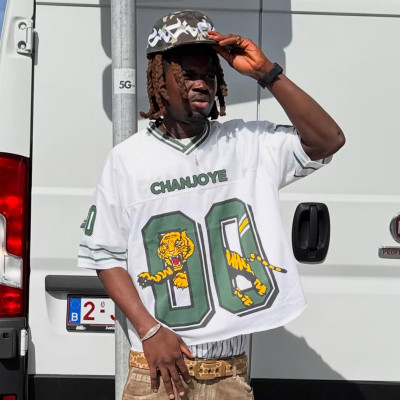
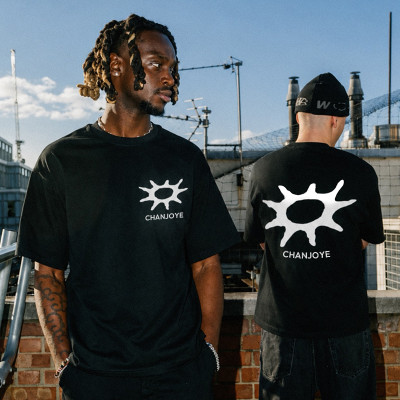
This is not a decision to rush. Take the time to evaluate potential partners thoroughly. The hours you invest in vetting now will save you thousands of dollars and countless headaches later. Chanjoye's product catalog demonstrates the level of quality consistency you should expect from a professional manufacturer — every garment meeting the same rigorous standards batch after batch.
Understanding Different Types of Custom T-Shirt Manufacturers
Not all manufacturers operate the same way. Understanding the landscape helps you identify which type fits your brand's stage and needs. The OEKO-TEX Association notes that certified manufacturers tend to deliver 40% fewer quality complaints across the supply chain:
| Manufacturer Type | Typical MOQ | Best For | Price Level |
|---|---|---|---|
| Mass Production Factory | 500-5000 pcs | Established brands with high volume | Low per unit |
| Mid-Size OEM/ODM Factory | 50-300 pcs | Growing streetwear labels | Moderate |
| Small-Batch Studio | 10-50 pcs | Startups testing designs | Higher per unit |
| Print-on-Demand Service | 1 pcs | No-inventory dropshipping | Highest per unit |
For streetwear brands launching their first collection, a mid-size OEM/ODM factory with low minimum order quantities offers the best balance of quality, cost, and flexibility. Chanjoye falls squarely in this category — combining 5,000 sqm of factory space with 10 automated production lines to deliver small-batch flexibility at near-mass-production pricing. You can contact our team to discuss MOQ options for your specific designs.
Key Factors to Evaluate When Choosing a Custom T-Shirt Manufacturer
Here are the non-negotiable factors you must assess before signing any agreement:
Fabric Quality and Material Sourcing
The foundation of any great T-shirt is the fabric. Request fabric swatches before committing. Look for combed cotton (softer and more durable than carded), check the GSM weight (180-220 GSM is ideal for streetwear), and verify material certifications like OEKO-TEX or GOTS if sustainability matters to your brand. At Chanjoye, all our base fabrics are OEKO-TEX Standard 100 certified, and we provide detailed fabric specification sheets upon request — never hesitate to ask.
Printing and Decoration Capabilities
Streetwear demands high-quality decoration. Evaluate whether the factory offers the techniques you need: screen printing (best for bold graphics), embroidery (ideal for premium branding), DTG printing (great for complex multi-color designs), puff printing, or applique. Ask to see physical samples of each technique rather than relying on photos alone. Chanjoye's in-house decoration team handles all major techniques under one roof — no outsourcing means faster turnaround and better quality control.
Quality Control Procedures
A professional manufacturer should have documented QC processes at every stage: incoming fabric inspection, in-line production checks, and final random sampling before shipment. Ask specifically about their defect rate tolerance, how they handle rejected batches, and whether they provide QC reports. At Chanjoye, our three-stage QC protocol — incoming material inspection, in-line spot checks, and AQL 2.5 final random sampling — has kept our defect rate below 1.5% across over 150,000 pieces per month. Read more about our quality standards on our About Us page.
How to Vet a Potential T-Shirt Manufacturer: The 7-Step Checklist
Follow this systematic vetting process — the same process we recommend to every brand that approaches Chanjoye for a potential partnership:
Request a Video Factory Tour
In 2026, there is no excuse for a factory to refuse a live video walkthrough. This single step eliminates brokers posing as manufacturers and reveals the actual working conditions, equipment caliber, and production scale.
Order a Pre-Production Sample
Never skip the sampling stage. A pre-production sample reveals the factory's true capability: stitching precision, print alignment, color matching, and fabric feel. Be prepared to pay for samples (typically refunded on bulk orders) and expect 3-7 days turnaround. Request a sample from Chanjoye to experience the difference that proper sampling makes.
Check References and Past Work
Ask for references from brands they currently produce for. Reach out to those brands on social media. Check if the factory can show you samples of past streetwear projects. Real manufacturers are proud of their work and happy to share.
Verify Certifications
Look for relevant certifications: ISO 9001 for quality management, OEKO-TEX Standard 100 for textile safety, GOTS for organic textiles, and BSCI or SEDEX for ethical manufacturing. These certifications require third-party audits and cannot be easily faked.
Test Communication Responsiveness
How quickly do they respond to emails? Do they answer every question clearly or deflect? Is there a dedicated account manager who speaks good English? Poor communication during the inquiry phase almost always signals worse communication during production.
Clarify Pricing Structure
Get a detailed quote that breaks down fabric cost, printing cost per color, labeling and packaging, and shipping. Watch for hidden charges like plate fees, sample fees, or design digitization costs. Transparency in pricing is a strong trust signal.
Start With a Small Trial Order
Even after samples look great, place a small trial order of 50-100 pieces before committing to larger volumes. This tests the factory's consistency at scale, packaging quality, and delivery reliability without risking your entire budget. Chanjoye's MOQ starts at 50-100 pieces per design — ideal for trial runs that let you validate quality before scaling.
Red Flags That Signal a Bad Custom T-Shirt Manufacturer
Knowing what to avoid is just as important as knowing what to look for. Here are the warning signs that should make you walk away immediately:
- Refuses video tour or in-person visit: Any legitimate factory welcomes transparency. Refusal strongly suggests they are a trading company or middleman.
- Prices significantly below market rate: If a quote is 40-50% cheaper than competitors, corners are being cut somewhere: fabric quality, labor standards, or both.
- No formal contract or vague terms: Professional manufacturers use detailed contracts covering specifications, timelines, payment terms, and dispute resolution.
- Pressures you to skip sampling: Factories confident in their work encourage sampling. Those pushing you to go straight to bulk order are hiding something.
- Unclear about MOQ or lead times: If they cannot give you a straight answer on minimum order quantity or production timelines, they lack operational control.
- Requests 100% upfront payment: Standard industry practice is 30-50% deposit with balance before shipment. Full upfront payment eliminates your leverage.
China vs Other Manufacturing Destinations for Custom T-Shirts
While countries like Bangladesh, Vietnam, and Turkey have growing textile industries, China remains the dominant force in custom streetwear manufacturing for several compelling reasons:
China's advantage lies in its complete supply chain ecosystem. From fabric mills to trim suppliers to specialized decoration workshops, everything exists within a concentrated geographic area. This integration means faster turnaround, lower logistics costs, and the ability to handle complex multi-step production processes. A factory in Guangzhou or Yiwu can source fabric, cut, sew, print, embroider, and package all within a 50-kilometer radius — exactly the integrated model that Chanjoye operates under one roof.
For streetwear specifically, Chinese manufacturers have developed deep expertise in the techniques that define the aesthetic: heavy GSM fabrics, oversized silhouettes, puff printing, and distressed finishes. Many factories now employ English-speaking account managers and operate with Western-style quality control standards, making cross-border collaboration smoother than ever. Browse Chanjoye's full product range to see these capabilities in action across T-shirts, hoodies, jackets, and more.
How to Negotiate Pricing and Payment Terms with Your Manufacturer
Negotiation should focus on building a long-term partnership, not squeezing the lowest possible price. Here is a strategic approach:
Pro Tip: Rather than demanding the lowest price on your first order, communicate your growth plans. Say: "We are starting with a 200-piece trial but plan to scale to 2,000 pieces per month within six months." Manufacturers value growth potential and will often offer better initial terms to secure a long-term relationship.
Standard payment terms in the industry are 30% deposit to start production and 70% before shipment. For first-time orders, some factories may request 50% upfront, which is acceptable if they have strong references. Never pay 100% upfront, and always use a traceable payment method. Discuss bulk pricing tiers upfront: ask for the per-unit price at 100, 500, 1,000, and 5,000 pieces so you can plan your margins as you scale. Send an inquiry to Chanjoye for a transparent, itemized quote with no hidden fees.
The Role of Sampling in Ensuring Production Quality
Samples are your most powerful quality assurance tool. According to the American Association of Textile Chemists and Colorists (AATCC), proper sampling protocols can reduce production defects by up to 80%. There are typically three sampling stages:
Proto Sample: The first physical version of your design, used to check the overall look, fit, and fabric feel. Expect 1-2 rounds of adjustments at this stage.
Pre-Production Sample (PP Sample): Made with the exact materials and processes that will be used in bulk production. This sample should fully represent what your customers will receive. Approval of the PP sample is the green light for mass production.
Top of Production Sample (TOP Sample): Pulled from the first pieces off the production line to confirm consistency before the full run completes.
Keep all approved samples as reference standards. If a dispute arises about production quality, these samples are your evidence and defense. Chanjoye provides complimentary pre-production samples (refundable on bulk orders) with a standard 3-5 day turnaround — a practice we have refined over two decades of serving global streetwear brands. Visit our blog for more in-depth guides on sampling and quality assurance.
Building a Long-Term Partnership with Your T-Shirt Manufacturer
The streetwear brands that thrive over years, not months, are those that treat their manufacturers as strategic partners. Here is how to build that relationship:
Communicate your brand vision beyond just specifications. When your manufacturer understands your aesthetic and target customer, they can proactively suggest improvements: a better fabric for drape, a printing technique that will pop more, or a construction detail that increases durability. Pay on time, every time. Respect their holidays and cultural schedules. Visit the factory in person when possible, or maintain regular video calls. Send them photos of your successful product launches and customer reactions. These human touches transform a transactional relationship into a creative partnership that benefits both sides. Learn more about Chanjoye's collaborative approach on our About Us page.
Frequently Asked Questions About Finding a Custom T-Shirt Manufacturer
What is a reasonable MOQ for a first-time streetwear brand?
For a new streetwear brand, look for manufacturers offering MOQs between 50-100 pieces per design. Avoid factories requiring 500+ units unless you have confirmed demand. Some specialized small-batch manufacturers offer MOQs as low as 30 pieces, though the per-unit cost will be higher. Chanjoye's standard MOQ starts at 50-100 pieces per design with competitive tiered pricing as you scale.
How long does custom T-shirt production typically take?
A standard production timeline for custom T-shirts ranges from 2-4 weeks from sample approval. This breaks down to: 3-5 days for fabric sourcing, 7-10 days for cutting and sewing, 3-5 days for printing and decoration, and 2-3 days for quality inspection and packaging. Add shipping time (5-15 days depending on method) to get your total lead time.
Should I work with a manufacturer directly or go through a sourcing agent?
For first-time buyers, a sourcing agent can bridge language gaps and handle logistics, but they add 5-15% to costs. If you find a manufacturer with strong English communication and transparent processes, working directly saves money and builds a more direct relationship. Many Chinese factories — including Chanjoye — now employ English-speaking account managers, making direct collaboration increasingly viable.
How do I protect my designs from being copied by the manufacturer?
Work only with factories that have clear IP protection policies. Sign an NDA (Non-Disclosure Agreement) before sharing detailed designs. For unique prints and patterns, consider registering your designs in your home country and key markets. Established manufacturers understand that protecting client IP is essential to their reputation. Chanjoye signs NDAs as standard practice and maintains strict client design confidentiality — a policy that has earned the trust of over 500 global brands.
Your Roadmap to Finding the Right T-Shirt Manufacturing Partner
Finding the best custom T-shirt manufacturer for your streetwear brand is not about luck. It is about process. Start by defining exactly what you need: fabric specifications, printing techniques, MOQ requirements, and budget range. Shortlist 5-8 potential manufacturers through industry directories, trade shows, and referrals. Run each through the 7-step vetting checklist. Order samples from your top 3 candidates and compare them side by side. Place a small trial order with the winner before scaling up.
Remember: the cheapest quote is rarely the best value. The factory that delivers consistent quality, communicates transparently, and treats your brand with the care it deserves is worth paying for. Chanjoye has spent 20+ years earning the trust of streetwear brands worldwide — not by being the cheapest, but by delivering quality that builds brands. Your manufacturer is not just producing T-shirts. They are helping you build a brand that people trust, wear, and recommend. Choose wisely.
Ready to start your search? Contact our team to discuss your custom T-shirt requirements, or browse our product catalog to see what is possible.