

How to Source Sustainable Fabrics for Small-Batch Streetwear Production (100–300 pcs)
Introduction
As consumers become more conscious of environmental impact and garment quality, more streetwear brands are exploring sustainable fabrics. For emerging labels and growing fashion businesses, choosing more responsible materials can help strengthen brand positioning and create product differentiation.
However, sourcing sustainable fabrics is not always straightforward. For brands placing small orders of just 100–300 pieces, fabric availability, supplier minimums, pricing, color options, and compatibility with garment treatments can all affect production.
So, how can streetwear brands source suitable sustainable fabrics for small-batch orders? This guide covers fabric options, certifications, sourcing challenges, costs, and practical production considerations.
1. What Makes a Fabric Truly Sustainable?
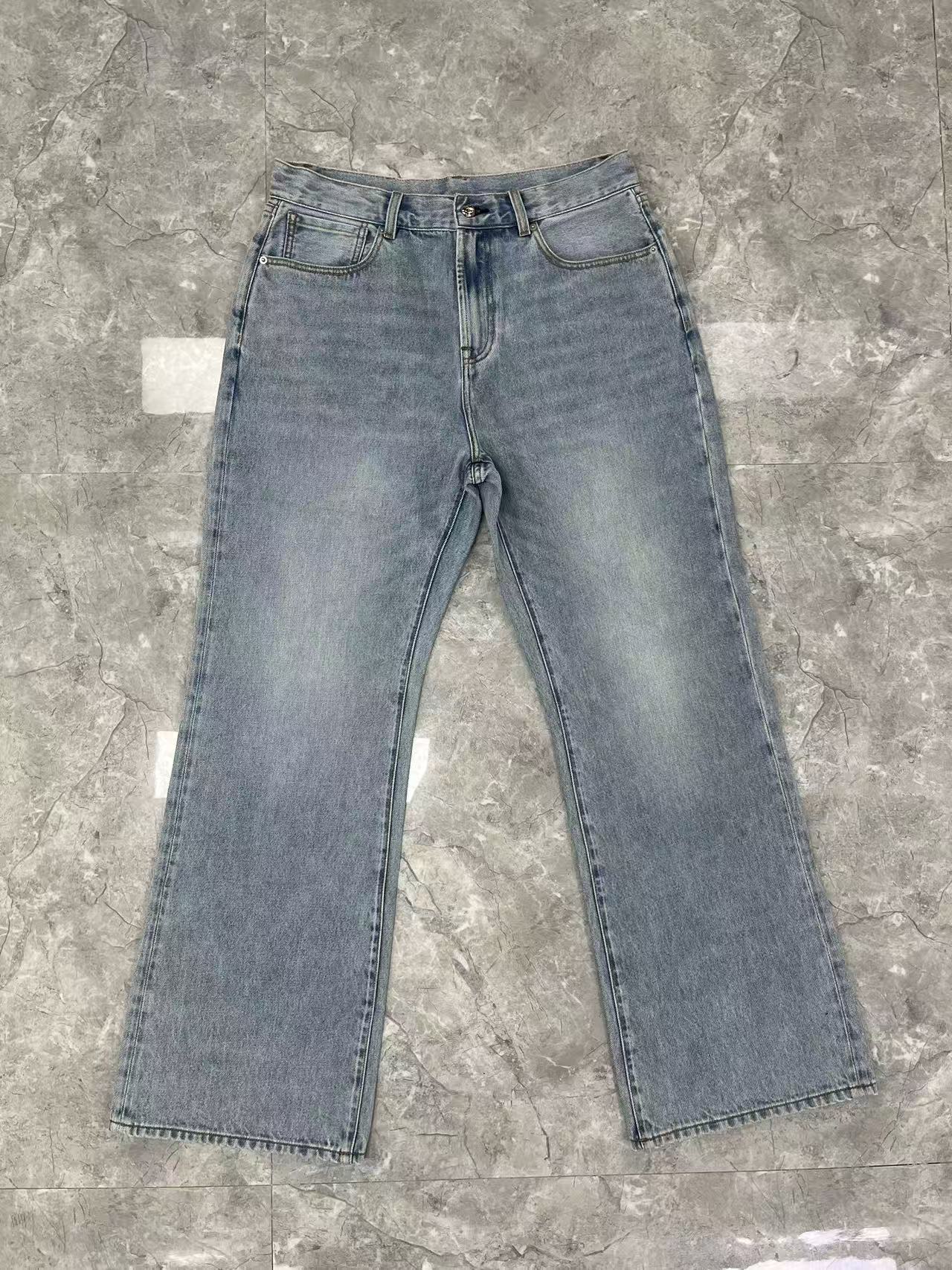
Sustainable fabric is not simply fabric made from natural fibers. Its environmental impact may also depend on raw material sourcing, manufacturing processes, energy consumption, chemical use, and whether the material can be recycled or reused.
Some commonly considered options for streetwear include:
Organic Cotton: Produced under specific agricultural standards and commonly used for T-shirts, hoodies, and casual pants.
Recycled Polyester: Typically made from recycled materials such as plastic waste. It can be used in sportswear, panel designs, and blended fabrics.
Recycled Cotton: Made from recovered cotton textiles or manufacturing waste and used in selected casualwear and blended products.
Lyocell: A cellulose-based fiber commonly produced from wood pulp. It offers a soft, smooth feel, although its environmental impact depends on sourcing and manufacturing processes.
A fabric name alone does not prove that a material is sustainable. Brands should also review its source, supplier documentation, and production conditions.
2. Organic Cotton vs. Recycled Polyester: Which Is Better for Streetwear?
Organic cotton and recycled polyester are two common options for brands developing more sustainable collections. However, they have different characteristics and applications.
| Comparison | Organic Cotton | Recycled Polyester |
| Main features | Soft, breathable, comfortable | Lightweight, durable, quick-drying |
| Common applications | T-shirts, hoodies, casual pants | Sportswear, functional panels |
| Fabric feel | Similar to conventional cotton | Varies by fabric construction |
Sourcing considerations | Yarn, GSM, and color availability | Recycled content and material documentation |
For brands developing oversized T-shirts, heavyweight hoodies, or relaxed-fit pants, organic cotton and cotton blends are worth considering.
For lightweight garments, sports-inspired designs, or technical panels, recycled polyester may be a more suitable option.
The final decision should consider more than sustainability claims. Fabric hand feel, drape, wash performance, shrinkage, and finished garment appearance are equally important.
3. How to Verify Sustainable Fabric Certifications
For streetwear brands building an environmentally responsible image, certification documents can help evaluate fabric suppliers.
Some commonly referenced standards and certifications include:
GOTS: Covers organic textiles and includes requirements relating to raw materials, processing, and supply chains.
GRS: Verifies recycled material content and includes relevant supply chain requirements.
OEKO-TEX STANDARD 100: Focuses on testing textiles for harmful substances.
OEKO-TEX STeP: Focuses on environmental and social performance in textile and leather production facilities.
When reviewing certification documents, brands should check:
1.Is the certificate still valid?
2.Which company or production facility does it cover?
3.Does it apply to raw materials, fabrics, or finished products?
4.Does its scope match the materials being purchased?
Do not assume that a fabric is certified simply because a supplier describes it as “eco-friendly” or “sustainable.” For each order, request documentation that can be matched to the actual material and relevant production batch.
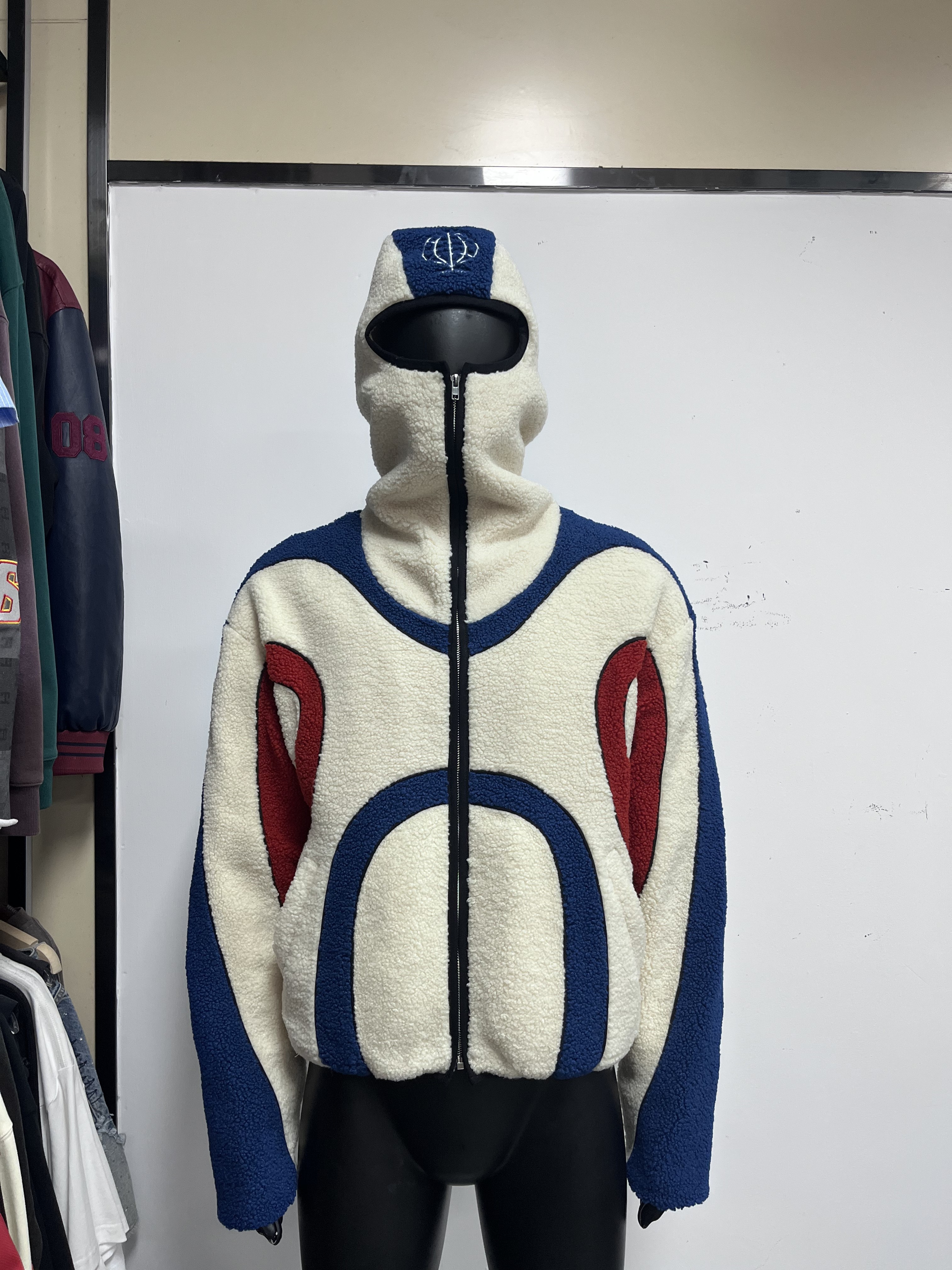
4. Challenges of Sourcing Sustainable Fabrics for 100–300 pcs Orders
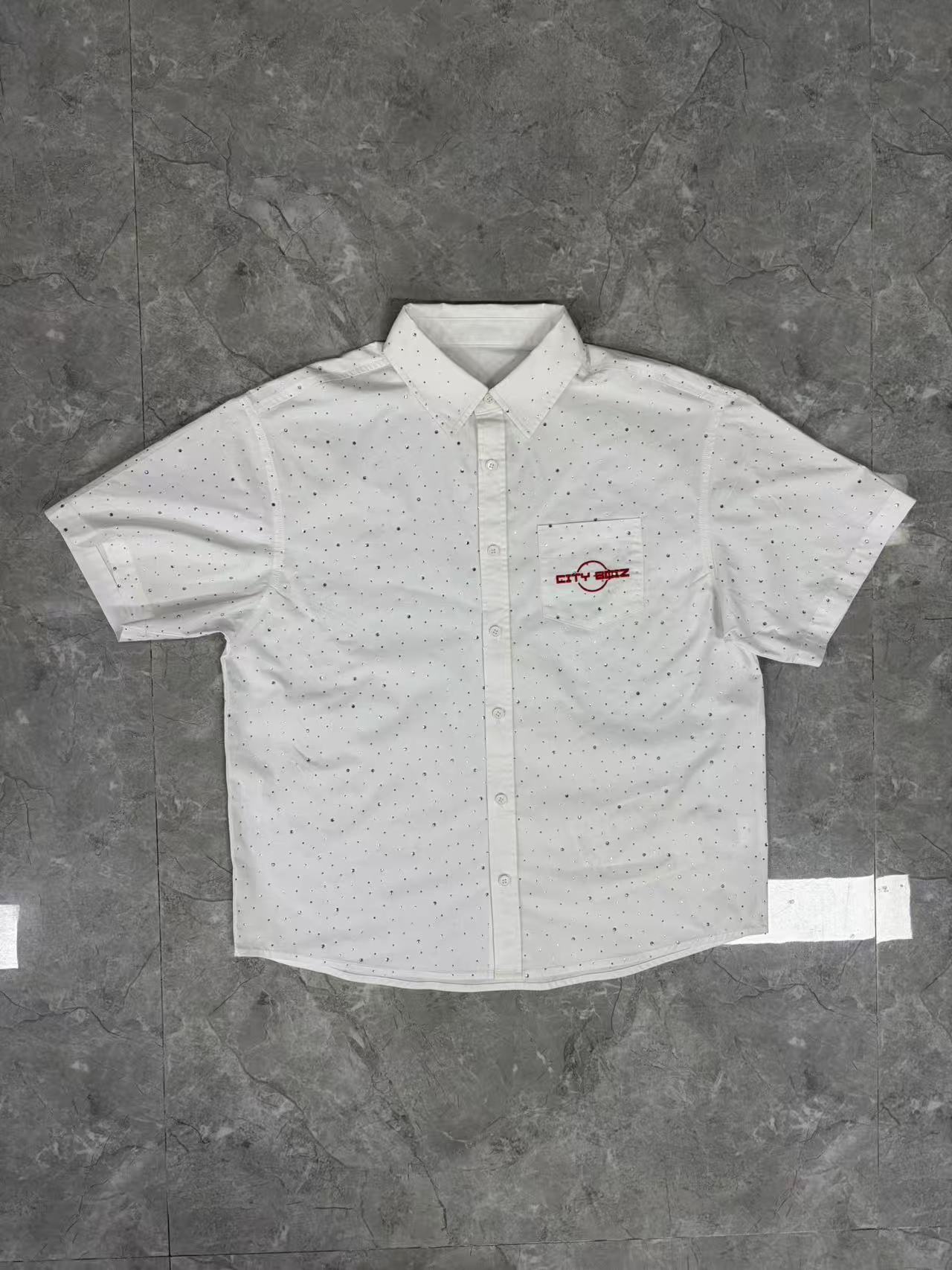
The biggest challenge for small-batch orders is often not finding sustainable fabrics, but finding materials that meet quantity, color, quality, and budget requirements at the same time.
First, fabric minimums may be too high.
Some sustainable fabric suppliers have their own minimum order quantities. A brand producing only 100–300 garments may not meet the purchasing requirements for certain custom fabrics.
Second, color availability may be limited.
Standard cotton fabrics often come in a wider range of stock colors. Specialized sustainable fabrics may require advance stock checks, and some colors may need custom dyeing.
Third, small-batch sourcing can increase unit costs.
When the purchasing quantity is limited, fabric production, dyeing, and transportation costs are spread across fewer units. This may increase the cost per garment.
Fourth, long-term fabric availability needs attention.
If a brand plans to reorder a successful style, it is important to know whether the supplier can provide the same composition, color, and GSM in the future.
Before finalizing a design, brands should discuss fabric stock, purchasing quantities, and lead times with their clothing manufacturer. This helps prevent sourcing problems after the design has already been approved.
5. How Fabric GSM, Quality, and Cost Affect Small-Batch Production
Fabric GSM (grams per square meter) is an important specification in streetwear development. It affects garment thickness and weight, as well as structure, drape, and production cost.
For example:
T-shirts: Brands can choose lightweight, midweight, or heavyweight cotton fabrics according to their positioning.
Hoodies: Midweight and heavyweight fabrics can help create a thicker, more structured streetwear silhouette.
Sweatpants: Fabric thickness, stretch, drape, and comfort should all be considered.
However, higher GSM does not automatically mean better quality. Yarn quality, fabric density, dyeing, finishing, and construction also matter.
For 100–300 pcs orders, brands should balance fabric weight, quality, and budget. Before bulk production, request actual fabric swatches and check hand feel, shrinkage, and garment appearance through sampling.
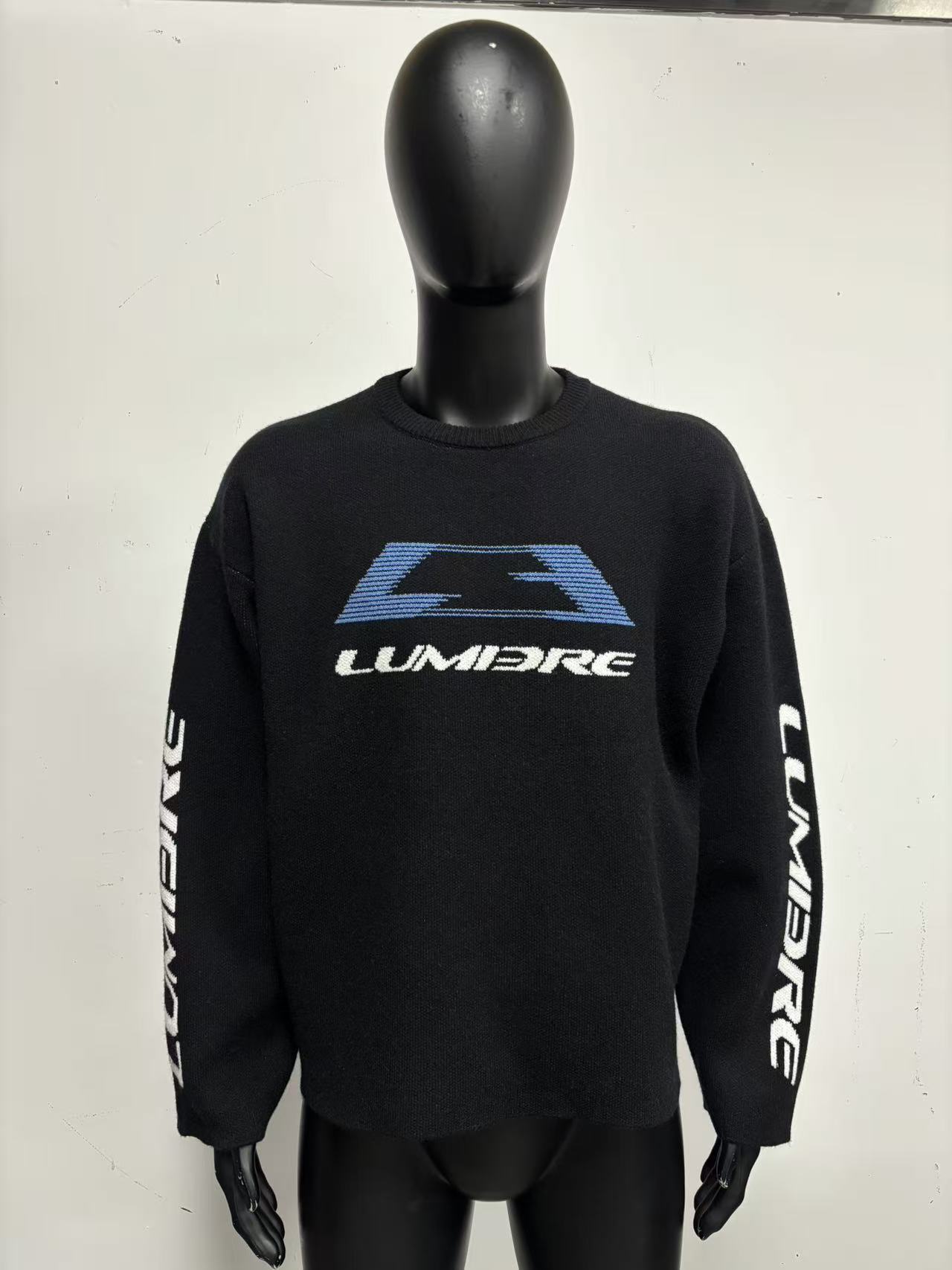
6. Can Sustainable Fabrics Work with Streetwear Printing and Washing?
Streetwear garments often feature different surface treatments, including printing, embroidery, washing, and distressed effects. When sourcing sustainable fabrics, brands should consider whether the material is compatible with their planned production techniques.
Printing: Different fiber compositions require different printing methods and may produce different results. The fabric composition, surface texture, and artwork should guide the choice of technique.
Embroidery: Fabric density, thickness, and stability can affect embroidery quality. Lightweight fabrics may require additional backing or adjustments to the stitching method.
Garment washing: Washing can change fabric color, dimensions, and hand feel. Shrinkage and color changes should be tested before production.
Distressed effects: The fabric structure and treatment method should be evaluated to achieve the desired appearance without unnecessarily reducing garment durability.
Whatever technique is selected, sample development should come before bulk production.
7. How to Test Sustainable Fabrics Before Bulk Production
Fabric testing is an important step in reducing small-batch production risks. Even when suppliers provide specifications and certification documents, actual sample testing is still necessary.
Brands should pay attention to the following areas:
Hand Feel and Appearance: Check whether the fabric matches the intended design and brand positioning.
Shrinkage: Measure dimensional changes after washing or garment treatment.
Colorfastness: Evaluate whether the fabric loses color during washing or rubbing.
Pilling Resistance: Check whether the surface develops pills after regular wear and friction.
Process Compatibility: Test whether printing, embroidery, washing, and other treatments achieve the expected results.
If a brand plans to reorder the same fabric, keep reference swatches, composition details, GSM specifications, and testing records. These records can help compare materials during future production.
8. How Chanjoye Supports Sustainable Streetwear Manufacturing
Choosing the right fabric is only the first step in garment development. For streetwear brands, connecting fabric selection with design details and production techniques is equally important.
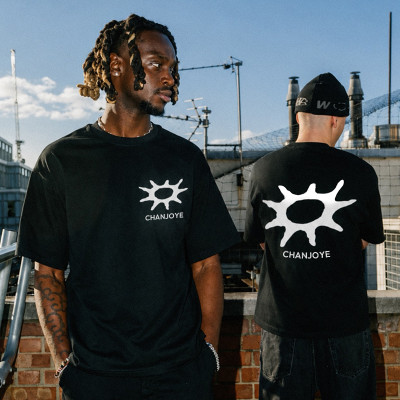
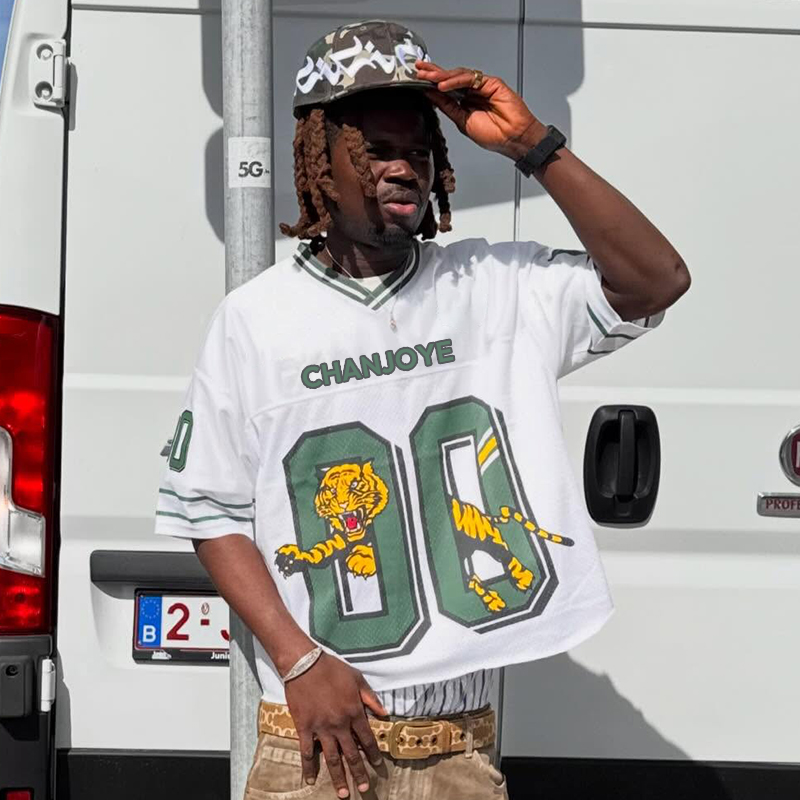
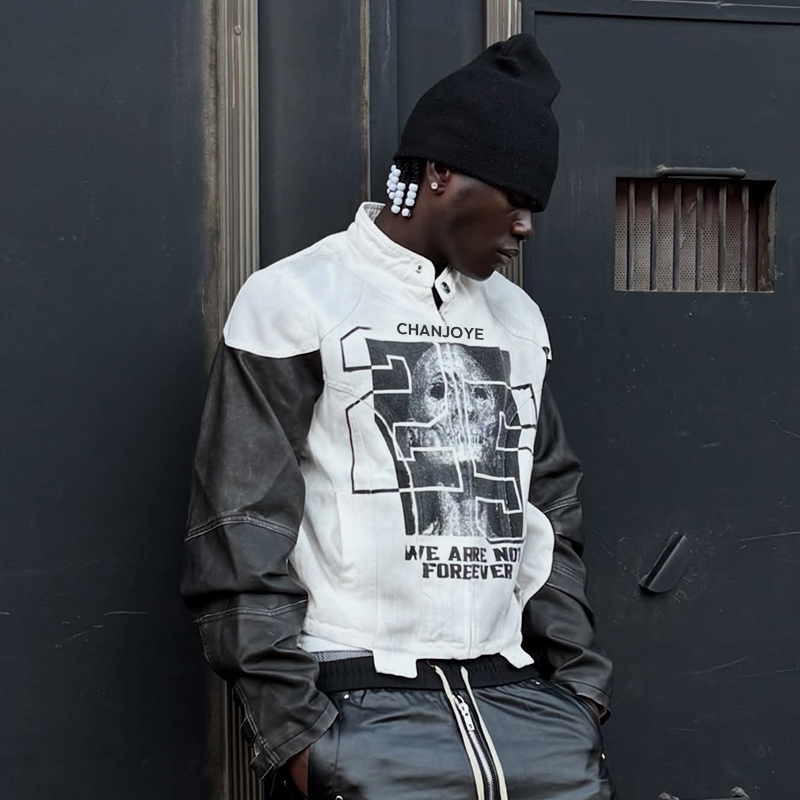
As a professional streetwear clothing manufacturer, Chanjoye focuses on custom apparel development and manufacturing. Based on a brand's product positioning and order requirements, the team can help evaluate fabric options, GSM, colors, and compatibility with different garment treatments.
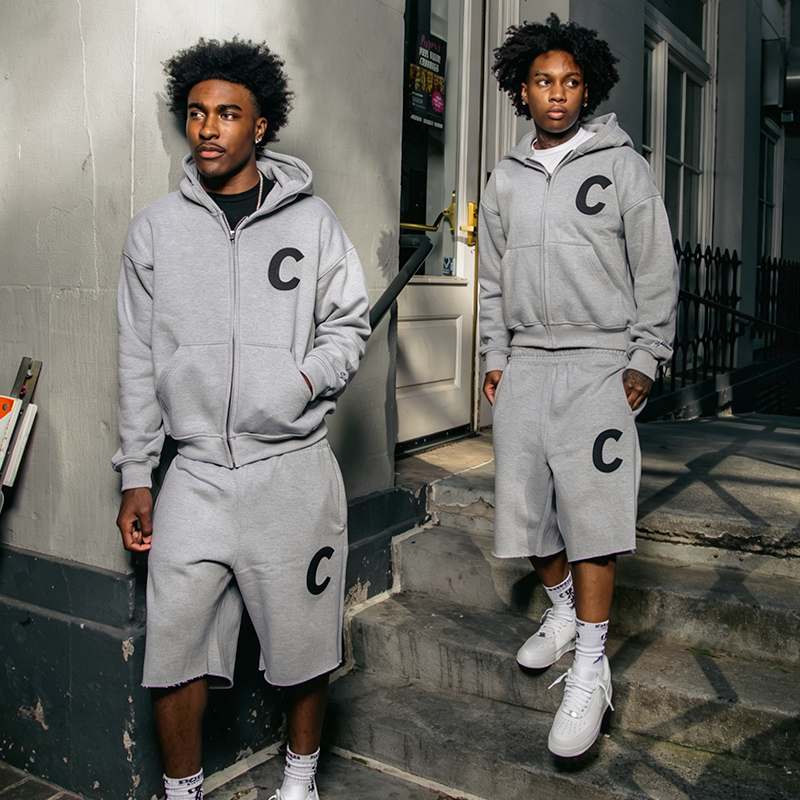
From T-shirts and hoodies to casual pants and other streetwear styles, brands can discuss fabric requirements, printing, embroidery, washing, and other customization details during product development.
For small orders of 100–300 pieces, the actual fabric sourcing method, MOQ, and production arrangements should be confirmed according to the garment style, fabric availability, color, and manufacturing process.
By discussing material requirements early, developing samples, and confirming construction details before production, brands can better manage development risks and ensure that the finished garments reflect their original design concepts.
Confirming these details in advance helps reduce uncertainty and improve production efficiency.
Frequently Asked Questions (FAQ)
Q1: Can I use sustainable fabrics for a 100–300 pcs order?
Yes, but availability depends on fabric stock, supplier MOQs, color options, and composition requirements. Choosing fabrics that are already in stock may make sourcing easier.
Q2: Is organic cotton always more sustainable than conventional cotton?
Organic cotton follows specific standards for cultivation and raw material management. However, the overall environmental impact also depends on spinning, dyeing, processing, transportation, and product lifespan. It is important to evaluate the wider supply chain rather than relying on the fiber name alone.
Q3: How can I verify whether a fabric has a sustainability certification?
Ask the supplier for valid certificates and supporting material documents. Check the certificate holder, scope, and validity period. Different certifications cover different aspects of production and materials.
Q4: Can sustainable fabrics be used for custom hoodies and T-shirts?
Yes. Organic cotton, recycled cotton, and selected blended fabrics can be considered for these products. The final choice should depend on fabric construction, GSM, and the intended customization techniques.
Q5: Are sustainable fabrics more expensive for small-batch orders?
Not always, but some sustainable fabrics may have higher unit costs when purchased in small quantities. Pricing depends on fabric type, order quantity, color, processing requirements, and availability.
Conclusion
Sourcing sustainable fabrics for 100–300 pcs streetwear orders requires careful consideration of material characteristics, certification documents, availability, purchasing costs, and production techniques. The right fabric can help a brand establish a clearer product identity while creating a stronger foundation for future product development.
Chanjoye provides custom clothing manufacturing services for streetwear brands. From fabric evaluation and sample development to production coordination, our goal is to help brands turn their design concepts into quality garments that match their product positioning.
📞 Phone: [86-15015158179]
📧 Email: [info@chanjoye.com]
🌐 WhatsApp:[https://wa.me/8618025298509]
Click the link above to start designing your custom streetwear today. We can’t wait to help you express your bold style!