Screen Printing vs Embroidery vs DTG: The Ultimate Custom T-Shirt Decoration Guide
Every clothing brand founder faces the same critical decision early in their journey: which decoration technique should I use for my custom T-shirts? Screen printing, embroidery, and Direct-to-Garment (DTG) printing are the three dominant methods in custom apparel decoration today, and each one produces dramatically different results—in appearance, feel, durability, and cost structure. Choosing the wrong method can mean wasted budget, disappointed customers, and inventory that doesn't move. Choosing the right one? That's how premium streetwear brands build their signature look and loyal following.
At Chanjoye, a leading high-end custom streetwear manufacturer with over 20 years of experience serving premium and luxury streetwear brands worldwide, we've produced millions of decorated garments across all three methods. This guide draws from that real production experience to give you an honest, detailed comparison—no marketing fluff, just manufacturing reality.
The Core Decision: What Determines Which Decoration Method You Should Choose?
Before diving into each technique, let's establish the five factors that should drive your decision. Every decoration project is unique, and the optimal choice depends on how these variables align for your specific situation:
- Order quantity: Are you producing 50 pieces or 5,000? Screen printing thrives at volume; DTG and embroidery work better at lower quantities.
- Design complexity: Does your design use 10 colors with gradients and photographic detail, or is it a solid two-tone logo? Each method handles color differently.
- Fabric type: 100% cotton, polyester blends, fleece, performance fabrics—material compatibility varies significantly across methods.
- Brand positioning: Are you building a premium luxury label or a casual everyday brand? The perceived quality of each decoration technique sends a different signal to consumers.
- Budget and margin targets: Your cost per decorated piece must leave room for healthy profit margins at your target retail price point.
Understanding how each method performs against these five criteria is the key to making a confident, profitable decision. Let's examine each technique in depth.
Screen Printing: The Industry Workhorse for Bold, Cost-Effective Volume Production
Screen printing has been the backbone of custom apparel decoration for over a century, and for good reason. The process involves creating a stencil (or "screen") for each color in a design, then pushing ink through the mesh onto the garment. It is unmatched for producing vibrant, opaque prints at scale.
The fundamental advantage of screen printing lies in its economies of scale. The bulk of the cost is front-loaded into screen preparation and setup. Once screens are prepared, each additional print costs very little—typically only the ink and labor for each impression. This means your per-unit cost drops dramatically as quantity increases, making screen printing the clear winner for orders of 100+ pieces per design.
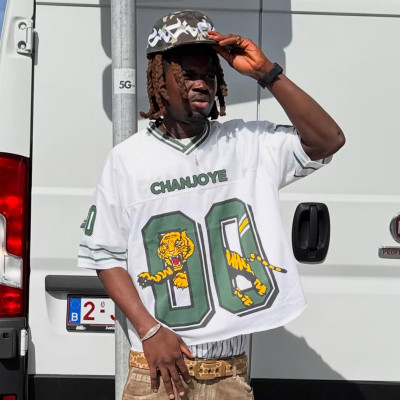
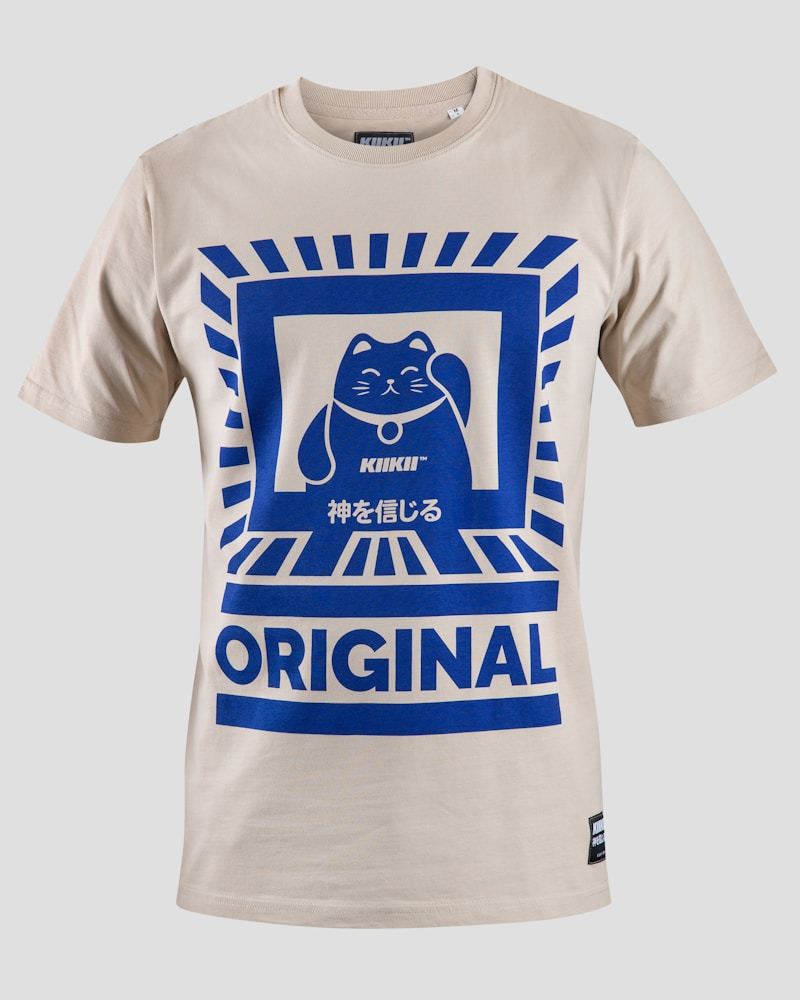
In terms of print quality, screen printing delivers superior color vibrancy and opacity. Plastisol inks sit on top of the fabric rather than absorbing into it, producing colors that pop even on dark garments. This is why most major streetwear brands—from Supreme to Stüssy—rely primarily on screen printing for their graphic tees. Chanjoye's screen printing department uses premium plastisol and water-based inks with precise Pantone color matching to ensure every print meets the exacting standards of luxury streetwear.
However, screen printing has meaningful limitations. Each color requires its own screen, so a 6-color design means 6 screens, 6 setup steps, and 6 times the preparation cost. Complex photographic designs with gradients cannot be reproduced faithfully without simulated process printing, which adds further complexity. And for small runs of 10–30 pieces, the per-unit setup cost can be prohibitively high.
According to industry data, screen printing accounts for approximately 60–65% of all custom apparel decoration globally, a testament to its enduring value proposition for brands that produce at commercial volumes.
Embroidery: Premium Dimensional Texture That Signals Quality and Permanence
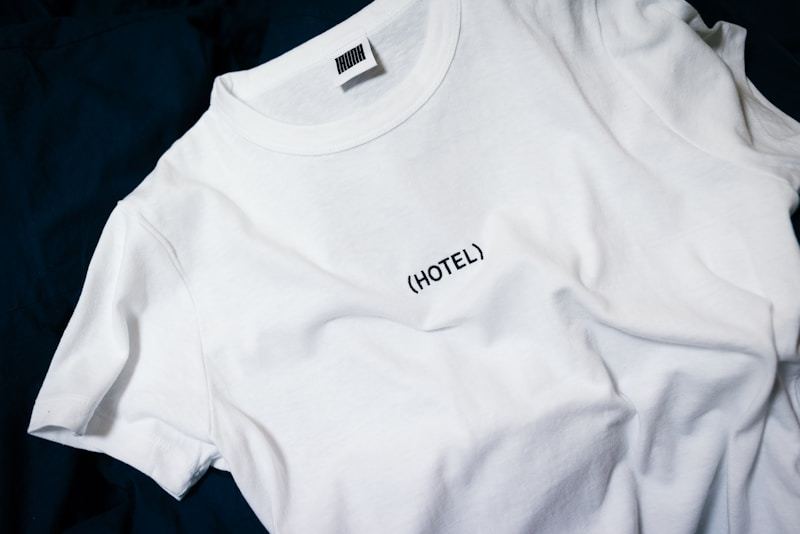
Embroidery occupies a uniquely prestigious position in apparel decoration. The tactile, three-dimensional quality of stitched thread communicates craftsmanship and permanence in ways that flat printing simply cannot match. When a consumer sees an embroidered logo on a polo shirt, hoodie, or cap, their immediate perception is higher quality and greater value.
The embroidery process uses computerized machines that stitch designs directly into the fabric using polyester or rayon threads. Modern multi-head embroidery machines can stitch complex designs at remarkable speeds, with some capable of handling up to 15 colors in a single run. The stitch density—measured in stitches per design—determines both the visual richness and the production cost.
Embroidery's greatest strength is durability. A properly embroidered design will typically outlast the garment itself. The stitched threads resist fading, cracking, peeling, and all the degradation modes that affect printed decorations over time. For brands that want their logo to remain pristine through hundreds of washes, embroidery is the undisputed champion. This is why corporate uniforms, premium polo shirts, and high-end streetwear pieces from brands like leading textile manufacturers often feature embroidery as their primary branding method.
The trade-offs? Embroidery is more expensive per unit than screen printing at moderate to high volumes, and it cannot reproduce photographic images, gradients, or very fine detail. Small text under 0.25 inches tends to lose legibility. The stitching also adds weight and stiffness to the fabric in the decorated area, which can affect the drape and comfort of lightweight garments.
At Chanjoye, our embroidery department operates state-of-the-art multi-head Tajima and Barudan machines capable of producing up to 12-color designs with stitch counts from 1,000 to over 40,000 per logo. We regularly produce embroidered collections for premium streetwear labels where the dimensional quality of the stitch is central to the brand's visual identity.
Direct-to-Garment (DTG) Printing: Unlimited Colors, Photographic Detail, and Zero Setup
DTG printing represents the newest frontier in apparel decoration technology. Using specialized inkjet printers modified to print directly onto fabric, DTG applies water-based inks that absorb into the garment fibers, creating a soft, breathable print with virtually unlimited color possibilities.
The defining advantage of DTG is its lack of setup costs. There are no screens to prepare, no thread colors to select, and no minimum order quantity requirements. A design with 50 colors and photographic gradients costs exactly the same to print as a simple one-color logo. This makes DTG uniquely suited for small-batch production, one-offs, samples, and designs with complex color requirements that would be cost-prohibitive with screen printing.
DTG print quality on 100% cotton garments is excellent, with fine detail reproduction, smooth gradients, and a soft hand feel that many consumers prefer over the heavier texture of screen-printed plastisol. Modern DTG printers from manufacturers like Kornit and Brother can produce photo-realistic prints that rival offset printing quality. For brands creating highly detailed illustrated tees, artist collaborations, or photographic designs, DTG is often the only viable option.
The limitations are significant enough to understand before committing. DTG printing is substantially slower per unit than screen printing—a typical print takes 2–5 minutes depending on design size and complexity. Print quality on dark garments requires a white underbase pretreatment, which adds a step and cost. Polyester and performance fabrics do not accept DTG inks well, with color vibrancy and wash fastness both suffering compared to cotton. And the per-unit cost stays relatively flat regardless of volume, meaning DTG does not benefit from the same economies of scale as screen printing.
For Chanjoye clients producing limited drops, artist collaborations, or sample collections, we recommend DTG as an efficient way to achieve premium printed results without committing to production minimums. Our Kornit Atlas DTG systems deliver retail-quality prints with OEKO-TEX certified inks that meet OEKO-TEX Standard 100 safety requirements for textile products worn next to skin.
Head-to-Head Comparison: Cost, Durability, Quality, and Production Scalability
To make a truly informed decision, you need to compare these three methods across the dimensions that matter most in commercial production. Here is a data-driven breakdown based on production realities at volumes relevant to emerging and established streetwear brands:
| Factor | Screen Printing | Embroidery | DTG Printing |
|---|---|---|---|
| Best Order Size | 100–10,000+ pieces | 30–5,000 pieces | 1–200 pieces |
| Setup Cost | $20–$50 per color/screen | $15–$100 digitizing fee | $0 setup fee |
| Per-Unit Cost at 100 pcs | $1.50–$4.00 | $3.00–$12.00 | $5.00–$12.00 |
| Per-Unit Cost at 1,000 pcs | $0.80–$2.00 | $2.00–$7.00 | $4.50–$10.00 |
| Max Colors (practical) | 1–10 (spot colors) | 1–15 (thread colors) | Unlimited (CMYK+W) |
| Photographic Detail | Limited (requires halftones) | Not possible | Excellent |
| Wash Durability | 50–100+ washes | 100–200+ washes | 30–70 washes |
| Fabric Compatibility | Cotton, blends, some poly | Most fabrics (with backing) | Best on 100% cotton |
| Hand Feel | Moderate to heavy | Textured, dimensional | Soft, barely noticeable |
| Minimum Order | Typically 25–50 pcs | As low as 12 pcs | 1 piece |
This comparison reveals a clear pattern: no single method wins across all criteria. Screen printing dominates on cost efficiency at scale. Embroidery leads on durability and premium perception. DTG excels at design flexibility and low-volume accessibility. The smartest brands often use multiple methods across different products in their collection—embroidery on premium hoodies and caps, screen printing on high-volume graphic tees, and DTG for limited-edition artist collaborations.
Fabric and Garment Compatibility: Which Method Works Best on Your Chosen Blanks
The base garment you choose is just as important as the decoration method. Using the wrong decoration technique on a given fabric can result in poor adhesion, color bleeding, fabric damage, or a finished product that fails quality inspection. Here is a practical compatibility matrix based on Chanjoye's production experience across thousands of garment specifications:
100% Cotton: The universal canvas. All three methods perform excellently on cotton, with screen printing producing the most vibrant results, DTG offering the softest hand feel, and embroidery creating premium textured branding. Heavyweight combed cotton (200–280 GSM) is the gold standard for premium streetwear tees regardless of decoration method.
Polyester and Performance Fabrics: Screen printing requires special low-bleed inks to prevent dye migration (where polyester dyes sublimate through the ink during curing). DTG performs poorly on polyester with reduced vibrancy and wash fastness. Embroidery generally works well but may require a backing stabilizer for thin performance knits. For athletic and activewear collections, screen printing with specialized inks or embroidery are the safer choices.
Cotton-Polyester Blends: Blends offer a middle ground. Screen printing works well, though some dye migration risk exists with higher polyester percentages. DTG results are acceptable but not as vivid as on 100% cotton. Embroidery performs reliably across all blend ratios.
Fleece and Heavyweight Fabrics: For hoodies, crewnecks, and sweatshirts, embroidery is often the premium choice, as the thick fabric provides an excellent foundation for dense stitching. Screen printing also works well and is the standard for most graphic hoodies. DTG is less commonly used on fleece due to the textured surface interfering with print quality.
Brand Positioning and Consumer Perception: What Each Method Communicates to Your Customer
Decoration methods communicate different things about your brand before the customer even reads your label. Understanding these perceptual signals helps you align your production choices with your brand identity:
Screen printing signals authenticity, street credibility, and creative energy. It is the language of streetwear, band merchandise, and cultural moments. A well-executed screen print on a heavyweight tee communicates that your brand understands garment culture. Major streetwear labels have built billion-dollar empires almost exclusively on screen-printed graphics.
Embroidery signals luxury, permanence, and attention to detail. It is the language of premium brands, corporate identity, and elevated essentials. An embroidered logo adds perceived value—consumers consistently rate embroidered garments as higher quality than printed equivalents, even when the base garment is identical. This is why luxury streetwear brands like Fear of God Essentials use embroidery strategically on their core pieces.
DTG printing signals creativity, accessibility, and artistic freedom. It is the language of independent artists, limited drops, and design-first brands. The ability to produce photo-realistic designs with no minimum orders makes DTG the democratizing force in custom apparel—anyone with a design can create a single finished garment. For emerging brands testing concepts before scaling, DTG offers invaluable flexibility.
Chanjoye works with brands across all three positioning spectrums, helping each client select the decoration methods that authentically express their brand identity while meeting their production economics. Our blog resource center contains case studies and guides for brands at every stage of development.
The Hybrid Approach: Why Leading Brands Combine Multiple Decoration Methods
In practice, the most successful streetwear and apparel brands rarely rely on a single decoration method. They use a hybrid approach that leverages the strengths of each technique across different products and use cases:
- Core graphic tees: Screen printing for cost efficiency at volume, with spot colors that match brand guidelines precisely.
- Premium hoodies and sweatshirts: Embroidery on the chest for a luxury touch, with optional screen-printed back graphics.
- Caps and headwear: Embroidery is the standard, with 3D puff embroidery for dimensional logos that stand out.
- Limited drops and artist collaborations: DTG for complex designs with unlimited colors and zero inventory risk.
- Employee uniforms and corporate merch: Embroidery for polos and jackets; screen printing for casual event tees.
- Samples and market testing: DTG for one-off samples; transition to screen printing once a design is validated at scale.
This hybrid strategy maximizes both creative freedom and production efficiency. At Chanjoye, we help brands design their production mix from the very beginning, advising on which decoration method to deploy for each SKU based on volume projections, design requirements, and margin targets. Our integrated production facility handles screen printing, embroidery, and DTG under one roof, eliminating the complexity of managing multiple vendors.
Quality Assurance: What to Look for in Professional Decoration Results
Regardless of which method you choose, consistent quality is non-negotiable. Here are the key quality markers to inspect when evaluating decorated garments from any manufacturing partner:
Print registration (screen printing): Multiple colors should align perfectly with no visible gaps or overlaps. Even a 1mm misregistration is visible to the trained eye and unacceptable in premium production.
Ink opacity and coverage: Prints on dark garments should show no fabric color bleeding through. White underbase layers must be fully cured and properly applied.
Stitch density and tension (embroidery): Threads should be tight and uniform with no loose loops, puckering, or fabric distortion around the design. The back of the embroidery should show clean, organized stitching with appropriate backing material.
Color accuracy: All decoration should match your approved Pantone references within commercially acceptable tolerances. DTG prints should match the digital proof within reasonable variation given the fabric substrate.
Wash fastness: After 5–10 wash cycles at standard settings, prints should show no significant fading, cracking, or peeling. Embroidery should maintain its shape with no thread breakage or color bleeding.
At Chanjoye, every decorated garment passes through a multi-point QC inspection before leaving our facility. Our quality assurance team uses standardized testing protocols including wash testing, stretch testing, and colorfastness verification on production samples from every batch. We encourage brand partners to request a sample inquiry before committing to production so you can evaluate our decoration quality firsthand.
Frequently Asked Questions About Custom T-Shirt Decoration
Q: Which decoration method is the cheapest for my clothing brand?
At small quantities (under 50 pieces), DTG is usually the most cost-effective because it has zero setup costs. At medium volumes (100–500 pieces), screen printing becomes more economical per unit. For very large orders (1,000+ pieces), screen printing is almost always the cheapest option on a per-unit basis. Embroidery tends to be the most expensive across all volume levels but delivers a premium result that justifies the investment for many brands.
Q: Can I mix screen printing and embroidery on the same garment?
Yes, and many premium streetwear brands do exactly this—for example, an embroidered chest logo with a screen-printed back graphic. This hybrid approach requires a manufacturer with both capabilities under one roof, like Chanjoye. The manufacturing sequence matters: embroidery is typically done first, then screen printing, to avoid crushing or damaging the printed areas during the embroidery process.
Q: How long does each decoration method last through washing?
Properly executed embroidery lasts the longest—often outlasting the garment itself (100–200+ washes). Screen printing with quality plastisol inks typically lasts 50–100 washes before showing noticeable fading or cracking. DTG prints generally last 30–70 washes, though proper curing and care (cold wash, inside out, air dry) can extend this significantly. All methods benefit from premium base garments and professional application.
Q: What file format should I prepare my artwork in for each method?
For screen printing, vector files (AI, EPS, PDF) with separated spot colors are ideal. For embroidery, a high-resolution PNG or vector file works, but the manufacturer will digitize it into a stitch file (DST format). For DTG, high-resolution raster files (300+ DPI PNG or PSD) with transparent backgrounds produce the best results. Chanjoye's pre-production team assists all clients with artwork preparation regardless of which method they choose.
Q: How do I know which decoration method is right for my streetwear startup?
Start by defining your budget, target retail price, design complexity, and brand positioning. If you have a simple logo and want premium positioning, embroidery delivers instant perceived value. If you have a bold multi-color graphic design, screen printing will give you the best visual impact. If you need to test multiple designs with no inventory risk, DTG is your best starting point. Many brands begin with DTG for market testing, then transition designs that sell well into screen-printed production runs. For personalized guidance, reach out through the Chanjoye inquiry page and our team will help you map out the optimal decoration strategy.