Step-by-Step Custom Clothing Design: From Concept Sketch to Finished Product
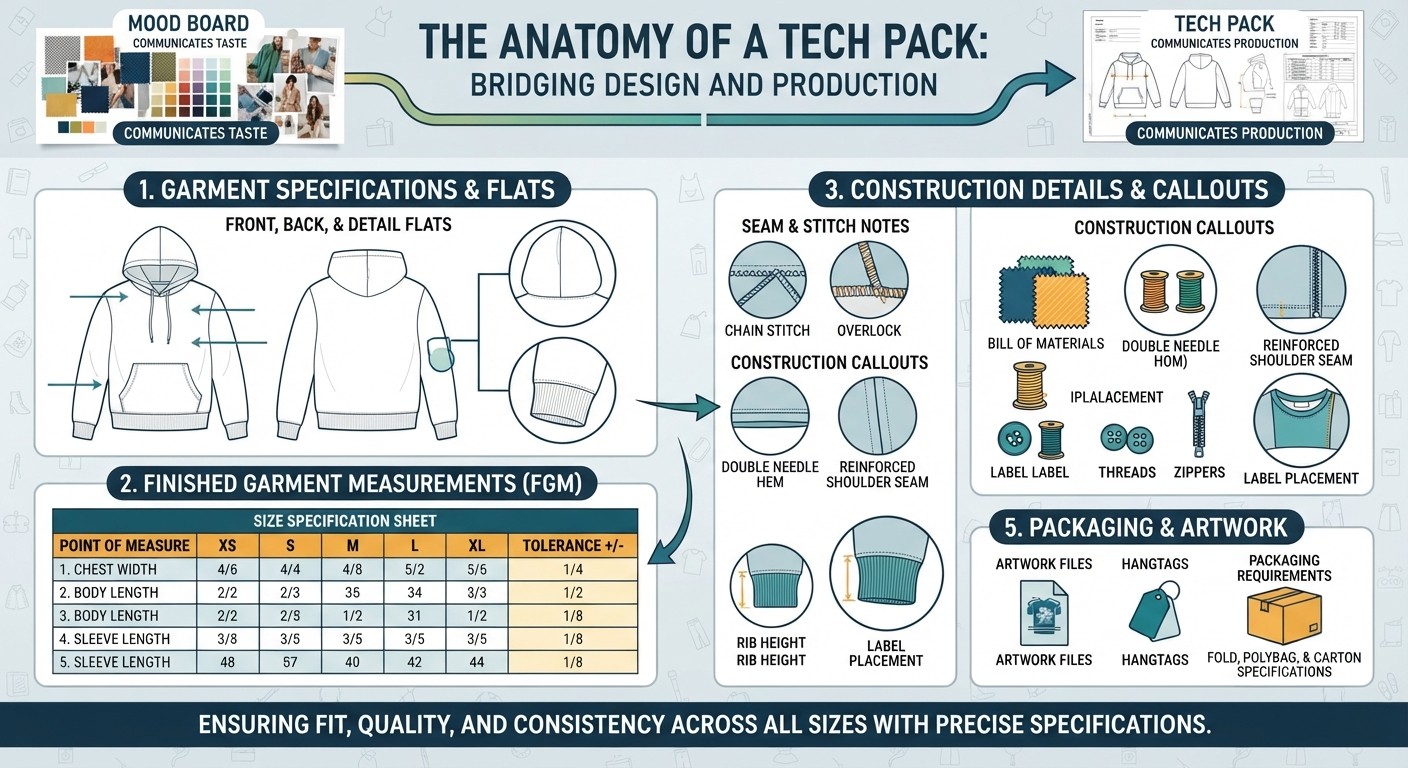
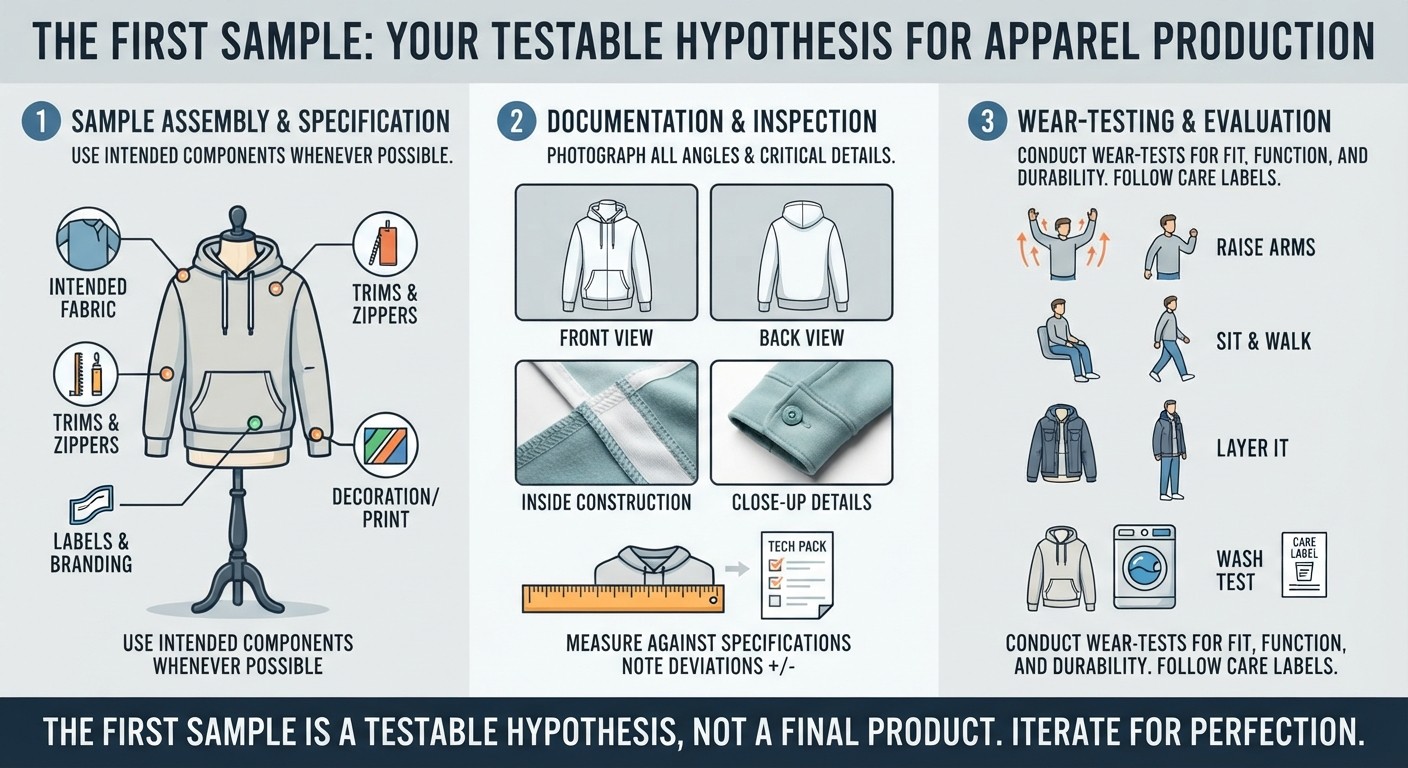
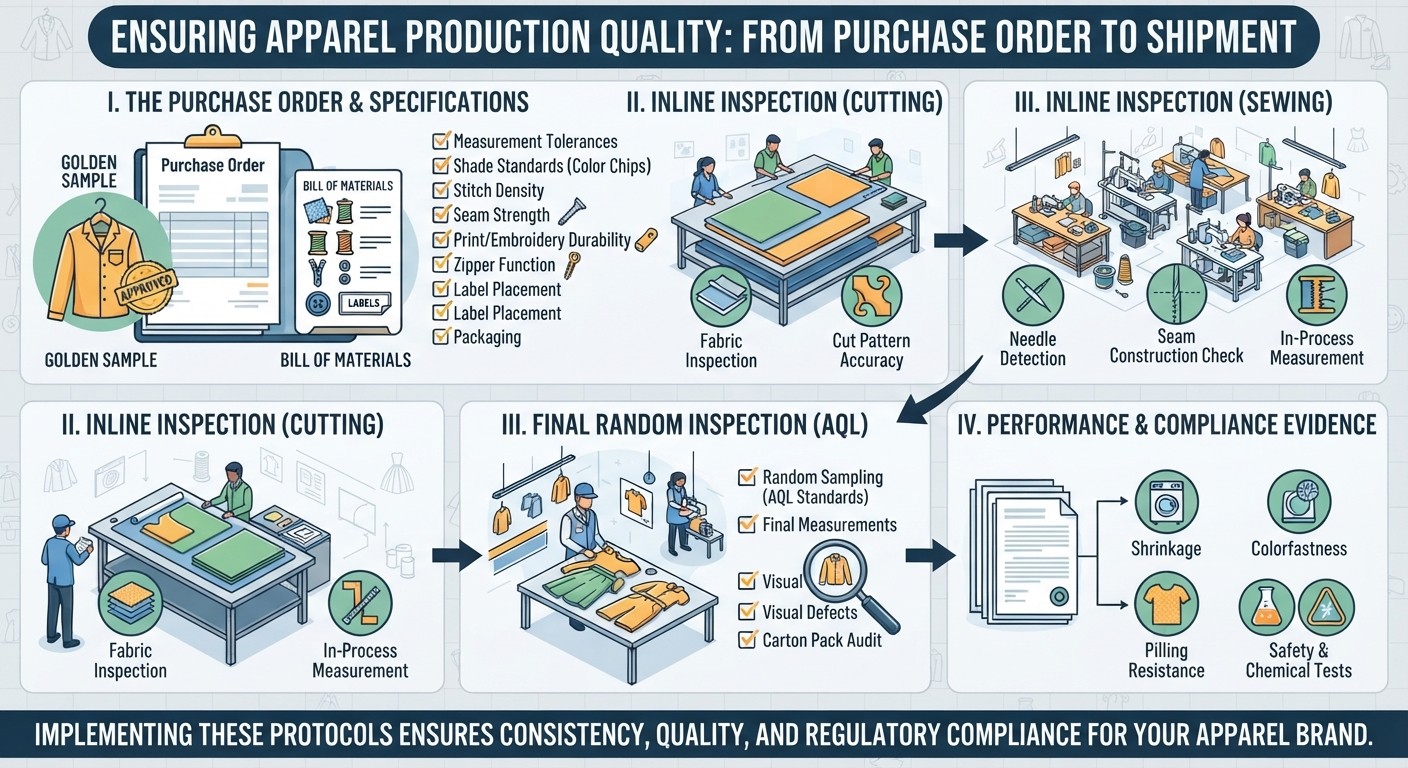
A custom clothing design becomes a manufacturable product when the idea is translated into measurable specifications. The reliable path is concept, technical brief, sample, revision, approval, and controlled production. This guide explains each stage so an emerging fashion brand can move from a sketch to a finished garment without losing fit, quality, or margin. Start with the customer and the job the garment must do. A heavyweight hoodie for a premium streetwear drop needs a different hand feel, silhouette, and decoration strategy than a lightweight training jacket. Write down the target retail price, season, wearer, climate, use case, and the three attributes customers should remember. These decisions narrow the fabric, construction, and fit choices before development costs accumulate. Create a one-page product brief with the reference silhouette, color direction, estimated quantity, size range, delivery market, and launch date. It gives a factory enough context to flag unrealistic combinations, such as a delicate applique on a high-stretch performance knit or a very low MOQ with a custom-dyed fabric. A mood board communicates taste; a tech pack communicates production. Include front, back, and detail flats, finished measurements, points of measure, seam and stitch notes, construction callouts, artwork files, label placement, packaging requirements, and a bill of materials. State tolerances rather than relying on visual judgment. For example, specify chest width, body length, sleeve length, rib height, and acceptable variance for each size. Compare fiber, construction, GSM, finish, shrinkage, colorfastness, pilling, and recovery. Cotton jersey can deliver breathable comfort and a strong print surface; French terry adds structure without a brushed interior; fleece provides warmth and volume; woven nylon or polyester supports lightweight outerwear and technical finishes. Request swatches and record the supplier, composition, width, weight, and finish so the approved material can be reordered. Choose a base size and define the fit language: regular, relaxed, boxy, oversized, athletic, or cropped. Build a measurement chart that covers chest, shoulder, length, sleeve, waist, hip, rise, and inseam as relevant. A pattern maker then converts those measurements into panels, seam allowances, notches, and grading rules. Review pocket openings, collar shape, sleeve mobility, hem behavior, and stress points before requesting the first sample. For repeat collections, retain the approved fit block and document all changes. This creates consistency across drops and reduces the cost of reinventing the pattern for every style. The first sample is a testable hypothesis, not a final product. Use the intended fabric, trims, labels, and decoration whenever possible. Photograph the front, back, inside construction, and close-up details. Measure it against the tech pack and note deviations. Wear-test the garment through movement relevant to the product: raise arms, sit, walk, layer it, and wash it according to the care label. Separate fit corrections from aesthetic preferences so the factory receives clear instructions. Mark each change on a dated sample review: increase body length by 2 cm, move pocket opening 1 cm, reduce rib tension, adjust print scale, or change zipper tape color. Ask the manufacturer to confirm which changes affect pattern, material consumption, lead time, and cost. Two focused revision rounds are usually more efficient than a long list of ambiguous comments. Once the fit is approved, request a pre-production sample using the final fabric lot and decoration. This is the reference that quality inspectors compare against during bulk production. Evaluate the landed cost: fabric, cutting, sewing, decoration, trims, labels, packaging, testing, freight, duties, and inspection. Confirm MOQ by style, color, and size ratio. Ask which materials are stock and which require a mill minimum. A supplier that explains these drivers can help you redesign intelligently, for example by using a stock base color while keeping a custom logo and fit. Confirm sample lead time, bulk lead time, capacity during your launch window, payment milestones, and re-order terms. Keep development fees separate from the unit price so the margin model remains honest. Build a golden sample and bill of materials into the purchase order. Define measurement tolerances, shade standards, stitch density, seam strength, print or embroidery durability, zipper function, label placement, and packaging. Use inline inspection during cutting and sewing, then a final random inspection before shipment. For garments with performance claims, require evidence for shrinkage, colorfastness, pilling, and any relevant safety or chemical tests. Packaging is part of the product experience and the operations plan. Approve folded dimensions, polybag warnings, carton marks, barcode placement, size stickers, hangtags, and packing ratios. Match the packing list to the final size and color quantities before the cartons leave the factory. For international shipments, confirm commercial invoice data and destination requirements early enough to prevent a finished order waiting for documents. Keep one controlled folder for the tech pack, artwork, pattern version, approved sample photos, test reports, inspection reports, and change log. Give each style a clear revision code and date. When a new season reuses a fit block or trim, reference the approved source instead of copying files manually. This reduces version conflicts and helps a manufacturing partner reproduce the product accurately. Chanjoye supports this workflow with custom design development, sampling, material sourcing, decoration, private labeling, and quality inspection for streetwear brands. Review the product catalog, learn about the team on the About Us page, or send a structured brief through Send Inquiry. Plan for a first prototype, one or more fit revisions, and a pre-production sample in final materials. The exact count depends on pattern complexity and how complete the initial brief is. Often, yes, when the design uses available fabrics and standard trims. Custom dyeing, specialized hardware, and many colorways usually increase minimums. Define ownership of artwork, patterns, tech packs, and custom-developed components in the manufacturing agreement before sampling begins. Conclusion: The shortest route from concept sketch to finished custom clothing is a documented route. Define the product role, translate it into measurable specifications, test the real materials, approve one golden sample, and keep every production decision traceable. That discipline protects the design and gives your brand a reliable foundation for the next collection.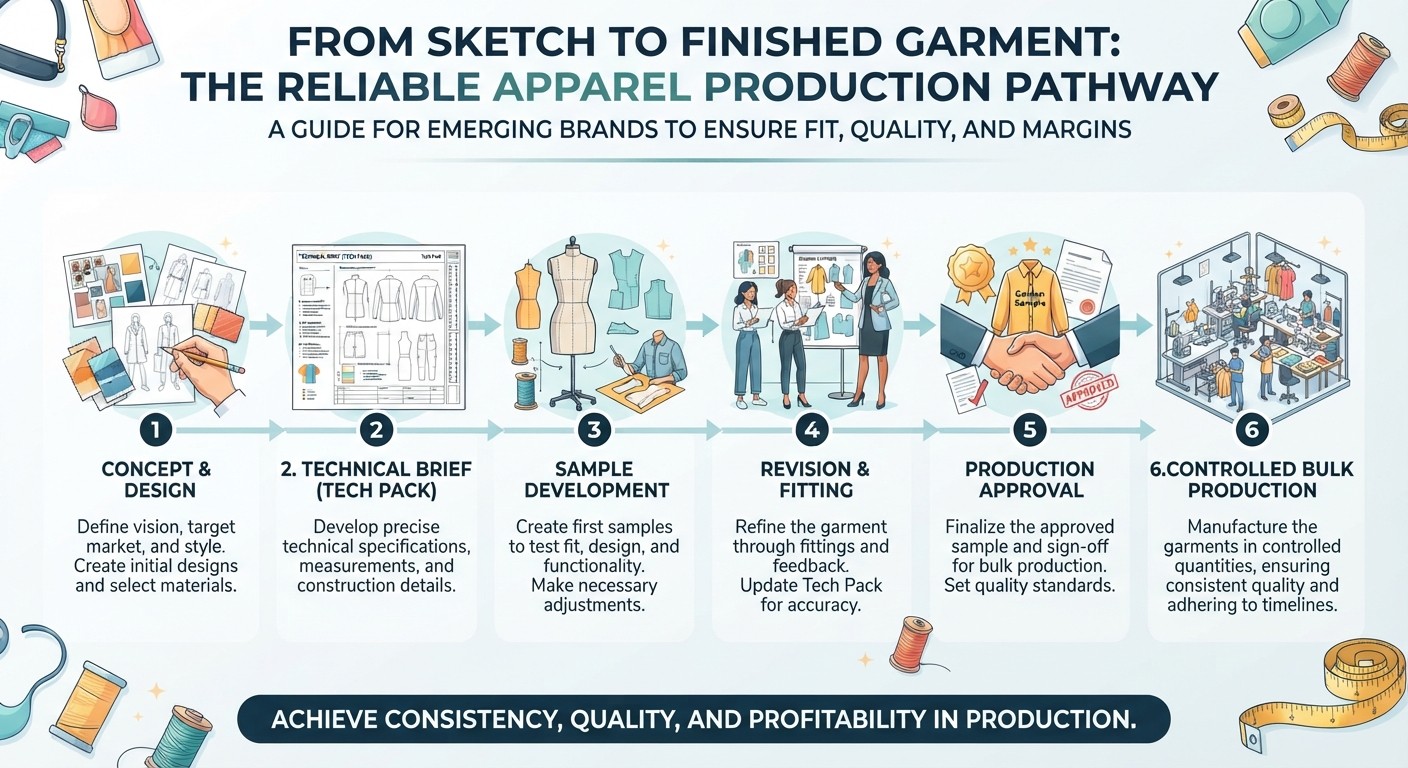
1. Define the product role before drawing details
2. Turn the concept into a technical package
3. Choose fabrics by performance, not only appearance
4. Engineer fit and construction
5. Develop the first sample with real materials
6. Run a disciplined revision loop
7. Approve cost, MOQ, and production capacity
8. Lock quality standards before bulk production
9. Plan packaging and launch readiness
10. Build a repeatable design-to-production system
Common questions from first-time buyers
How many samples should I expect?
Can a small brand start with a low MOQ?
Who owns the design files?