The Ultimate Guide to Custom Clothing Manufacturers: From Concept to Collection
Your Brand, Your Vision: Partnering with a Custom Clothing Manufacturer
Launching a clothing line is an exciting journey that transforms a creative vision into tangible products. However, the path from a design sketch to a finished garment is complex, filled with challenges in sourcing, production, and quality control. This is where a custom clothing manufacturer becomes the most critical partner for your brand. They are the engine that brings your ideas to life, handling the intricate manufacturing process so you can focus on design, marketing, and building your community.
Choosing the right partner is arguably the single most important decision you will make. A great manufacturer elevates your designs with quality craftsmanship, while a poor one can lead to costly delays and inconsistent products. This guide will walk you through everything you need to know about working with custom clothing manufacturers, ensuring you're equipped to make the best decision for your brand's future.
What Exactly Is a Custom Clothing Manufacturer?
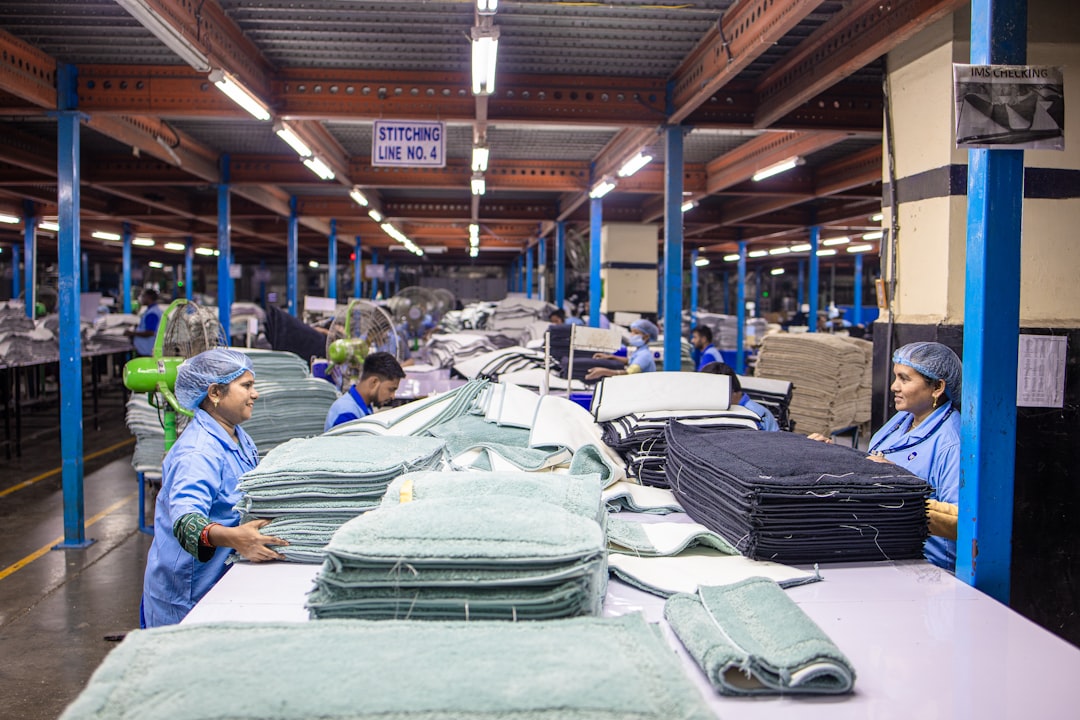
A custom clothing manufacturer is a company that produces garments based on your unique designs, specifications, and branding. Unlike buying wholesale or private label products off the shelf, this process allows for complete creative control. You dictate the fabric, the cut, the stitching, the colors, and all the finishing touches like labels and tags. These manufacturers are technical experts skilled in turning a concept into a scalable, high-quality product.
Full-Service (FPP) vs. CMT: Which Model Is Right for You?
Before you begin your search, it's crucial to understand the two main types of manufacturing partners. Your choice will depend on your experience, resources, and how much control you want over the supply chain.
CMT (Cut, Make, Trim): This is a basic production model where the factory only handles the cutting of the fabric, the sewing (making) of the garment, and the application of trims (like buttons, zippers, and labels). With a CMT partner, you are responsible for developing the patterns and sourcing and delivering all raw materials to the factory.
FPP (Full Package Production): This is a comprehensive, end-to-end solution. An FPP manufacturer manages the entire process for you: from developing your design into a technical package, sourcing fabrics and trims, creating samples, and managing bulk production all the way to quality control and packaging. For most startups and designers, FPP is the preferred route due to its simplicity and the expertise it provides.
| Feature | Full Package Production (FPP) | Cut, Make, Trim (CMT) |
|---|---|---|
| Services Offered | End-to-End (Design, Source, Sample, Produce, QC, Ship) | Assembly Only (Cut fabric, Sew garment, Add trims) |
| Who Provides Materials | Manufacturer sources everything | Brand provides all fabrics, patterns, and trims |
| Best For | Startups, designers, and brands wanting a streamlined process | Experienced brands with established supply chains |
| Pros | One point of contact, access to expertise, less complexity | More control over specific materials, potentially lower cost if sourced well |
| Cons | Higher per-unit cost, less control over supplier choice | High complexity, requires deep industry knowledge |
The Key Benefits of a Full-Service Partnership
For emerging brands, working with a full-service manufacturer offers a strategic advantage. It's about much more than just sewing clothes; it's about building a robust foundation for your business.
- Streamlined Process: Having one partner manage everything from sourcing to shipping eliminates the logistical nightmare of coordinating with multiple vendors. This saves you invaluable time and reduces the risk of miscommunication.
- Access to Expertise: You gain immediate access to a team of professionals—pattern makers, sourcing agents, and production managers—who can offer guidance, solve problems, and help you avoid common pitfalls.
- Focus on Your Strengths: By outsourcing the technical production, you can concentrate on what you do best: designing innovative products, building your brand identity, and connecting with your customers.
- Improved Quality Control: A single-partner approach allows for consistent quality monitoring at every stage of production, from the initial fabric inspection to the final garment check.
The Custom Apparel Manufacturing Journey: A Step-by-Step Guide
Understanding the production timeline is key to managing your launch effectively. While every project is unique, the process generally follows these critical steps.
- Concept & Design: It all starts with your vision. Compile your design sketches, inspiration images, and any notes on the desired fit, feel, and function of the garment.
- Tech Pack Creation: This is the blueprint for your product. A tech pack is a detailed document that specifies every component of your design, including measurements, fabric type, colors, stitching details, and label placement. A good manufacturer can help you develop this if you don't have the technical expertise.
- Fabric & Trim Sourcing: Based on your tech pack, the manufacturer will source fabric swatches and trim options for your approval. This is a crucial stage for defining the final look, feel, and quality of your product.
- Pattern Making & Grading: A master pattern is created based on your base size. This pattern is then graded to create the patterns for your full-size range (S, M, L, XL, etc.).
- Prototyping & Sampling: The manufacturer will produce a sample (or prototype). You'll review it for fit, construction, and quality. This is your chance to make revisions. This step may take several iterations to get perfect.
- Bulk Production: Once you approve the final sample, bulk production begins. The fabric is cut, the garments are sewn, and any special treatments like printing or embroidery are applied.
- Quality Control: QC checks are performed throughout the production run, not just at the end. This ensures consistency across all units.
- Finishing & Shipping: Finally, the garments are ironed, tagged, folded, bagged, and shipped to your designated location.
Preparing Your Designs: The Importance of a Tech Pack
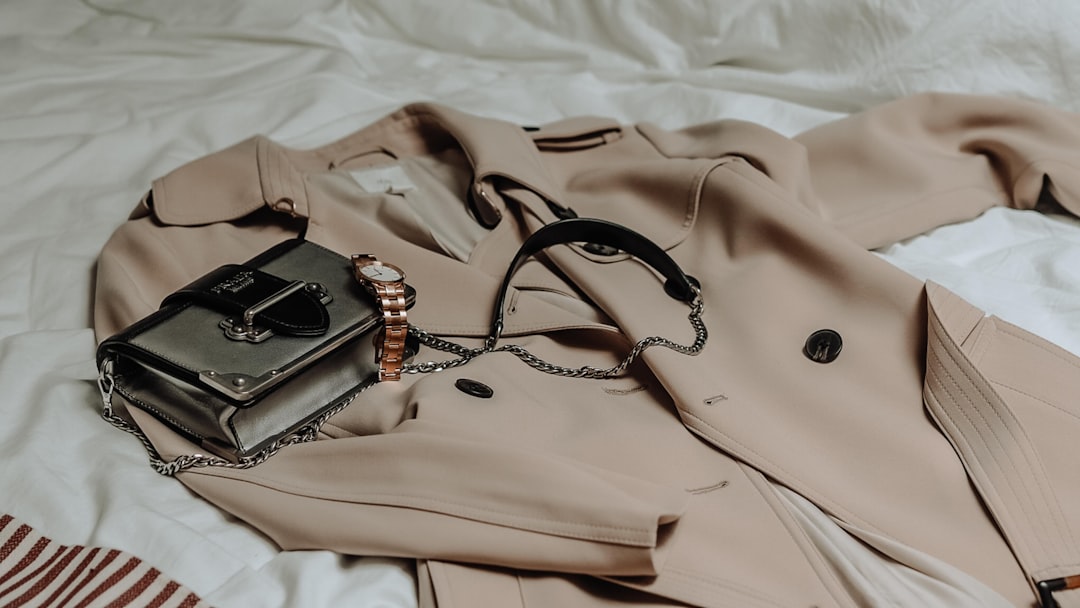
A detailed tech pack is the most important document you will create. It acts as a universal language between you and your manufacturer, minimizing errors and ensuring your vision is executed accurately. A complete tech pack should include a flat sketch of the garment, precise measurements, fabric and trim specifications, stitching instructions, and details on branding elements like logos and labels. Investing time in a thorough tech pack will save you time and money in the long run.
Sourcing the Perfect Fabrics and Materials
Your choice of fabric impacts everything: the drape of the garment, its durability, its cost, and its sustainability credentials. When working with a manufacturer, be clear about your requirements. Are you looking for organic cotton, recycled polyester, or luxury silk? A good FPP partner will have a network of mills and suppliers to source the right materials for you. Always request swatches to feel the material firsthand before approving it for production.
Don't Skip the Sample: The Role of Prototyping
The sampling phase is non-negotiable. It is your only opportunity to physically test and refine your product before committing to a bulk order of hundreds or thousands of units. When you receive a sample, check the fit on a model, scrutinize the stitching quality, test the zippers and buttons, and wash it to see how the fabric behaves. Provide clear, consolidated feedback to your manufacturer for any required revisions.
Understanding Minimum Order Quantities (MOQs)
MOQ refers to the minimum number of units a factory is willing to produce in a single run. This is often one of the biggest hurdles for startups. MOQs can range from as low as 50 pieces per style for small-batch specialists to over 1,000 for larger factories. Be aware that the MOQ often applies per style and per color. When vetting manufacturers, be upfront about your needs and find a partner whose production capacity aligns with your business scale.
Quality Control: Your Brand's Reputation on the Line
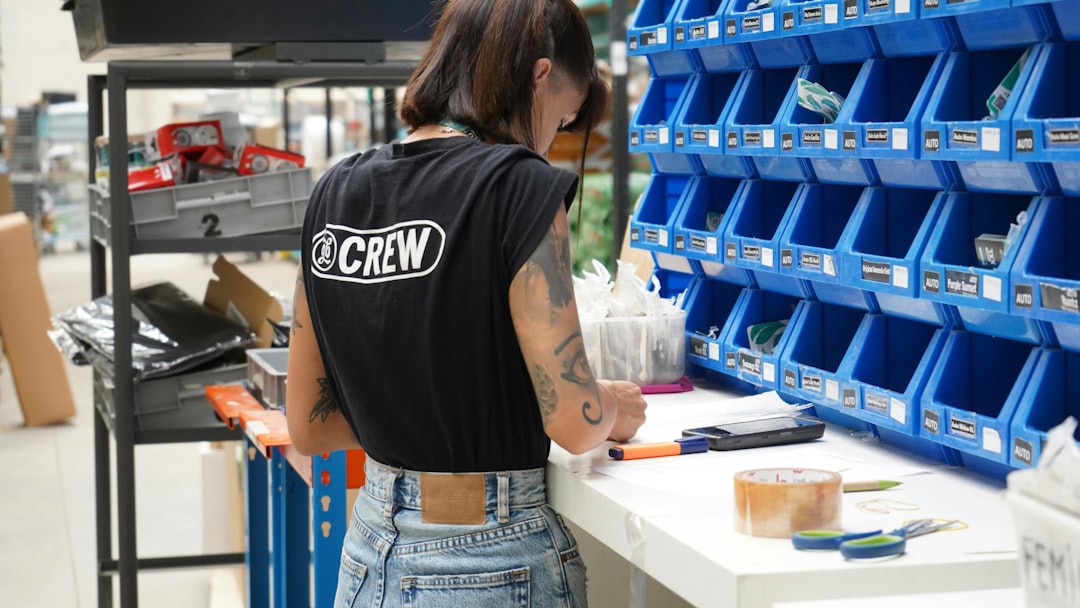
Consistent quality is what builds customer trust and loyalty. A reliable manufacturer will have a robust quality control process integrated into every step of production. This includes inspecting raw materials upon arrival, checking for cutting and sewing accuracy during production, and conducting a final inspection on each finished garment. Don't be afraid to ask a potential manufacturer about their specific QC procedures.
How to Find and Vet the Right Manufacturing Partner
Finding the perfect partner takes research and due diligence. Look for manufacturers through online directories, industry trade shows, and referrals. Once you have a shortlist, vet them by:
- Assessing their expertise: Do they specialize in the type of product you want to make (e.g., activewear, denim, swimwear)?
- Checking reviews and references: Ask for examples of their previous work or contact information for other brands they have worked with.
- Evaluating communication: Are they responsive, clear, and professional? Good communication is essential for a smooth partnership.
- Starting small: Before placing a large order, start with a small trial run to test their quality, reliability, and overall process.
Building a Long-Term Relationship
View your manufacturer as a strategic partner, not just a supplier. A strong, transparent, and respectful relationship will be invaluable as your brand grows. Clear communication, timely payments, and realistic expectations will foster a partnership that can adapt and scale with you, helping you navigate future collections and market changes for years to come.