Top 10 Custom Clothing Manufacturers for Streetwear Brands in 2026
introduce
If you are building a new streetwear label or preparing to move an existing brand from test drops to repeat production, choosing the right clothing manufacturer is often more important than choosing the next graphic. Streetwear may start with a T-shirt or hoodie, but a product that can sell consistently has to solve several manufacturing problems at the same time. The fabric needs the right weight and hand feel. The fit needs to match the brand. Prints and embroidery need to survive wear and washing. Measurements need to remain consistent from one production run to the next. Packaging should communicate the brand’s value. Orders need to arrive on time, and reorders need to reproduce the same standard.
The 2026 streetwear market still offers significant opportunities, but competition is more direct than ever. Consumers can compare fabric, fit, construction, details, and price across social platforms within seconds. A product that looks ordinary can disappear as quickly as it is launched. At the same time, more independent labels are moving beyond generic blanks with a printed logo. They want more control over patterns, fabrics, dyeing, washing, decoration, labels, packaging, and delivery. That is why real cut-and-sew manufacturers, OEM/ODM factories, and specialized streetwear production teams have become an important part of brand differentiation.
This guide presents an editorial shortlist of ten custom clothing manufacturers worth evaluating in 2026. “Top 10” should not be interpreted as a universal ranking issued by an official ratings organization. Manufacturing decisions depend on product category, target market, order size, budget, lead time, compliance requirements, and delivery location. Instead, the list is organized around practical buying criteria: genuine garment manufacturing capability, OEM and ODM support, sampling, flexible MOQ, quality control, streetwear-specific techniques, production scalability, sustainable material options, and international fulfillment.
Why Streetwear Brands Need Real Manufacturers in 2026
1. Competition has moved from graphics to product systems
In the early stages of an independent label, a strong graphic, a recognizable logo, or a social-media moment may be enough to generate a first group of orders. As more brands use similar prints, oversized proportions, neutral palettes, and familiar silhouettes, visual differentiation alone becomes less reliable. Customers start to notice whether a garment feels structured, whether the neckline holds its shape, whether the cuffs are comfortable, whether the fabric feels substantial, whether the color changes after washing, whether the print cracks, and whether the overall garment feels collectible.
Those details are manufacturing decisions. A capable clothing manufacturer can convert a brand’s design language into a product standard that can be produced, repeated, and reordered. Two oversized T-shirts can look similar in a sketch but feel completely different because of shoulder width, sleeve length, body length, collar rib, fabric GSM, seam construction, and finishing. The same artwork can produce different results depending on ink, screen setup, curing temperature, fabric surface, and print thickness.
2. Test production and scale production must connect
Startups usually want to lower inventory risk, so they begin with samples and small-batch test runs. Established labels want to reorder bestsellers quickly and extend them into additional colors, sizes, and fabric versions. If a manufacturer can make a beautiful sample but cannot maintain bulk consistency, the brand has to start the sourcing process again when sales grow. If a factory only accepts large orders, a young brand cannot validate its product safely.
A stronger partnership allows the same manufacturing relationship to evolve with the brand. The factory supports development and small-batch trials in the early stage, stable bulk production in the growth stage, and structured planning, material reservations, production standards, and quality records when the brand begins to reorder. This reduces communication costs and avoids repeating pattern development and material testing every time a product is scaled.
3. Transparency and compliance matter more than a low unit price
Modern brands are no longer comparing only the factory price. They need to understand where materials come from, how production is inspected, what testing or certification documentation is available, who is responsible for customs and delivery, and what happens if the order does not meet the approved standard. For brands selling into the United States, Europe, the United Kingdom, Australia, and other international markets, fiber content, colorfastness, chemical requirements, labels, packaging, and product safety should be considered before bulk production.
A manufacturer’s value is therefore not limited to sewing garments. A good partner helps reduce uncertainty across materials, patterns, decoration, costing, scheduling, inspection, and logistics. The more complex the streetwear collection, the more important it is to work with a team that can participate in those decisions.
2.How This 2026 Shortlist Was Selected
This guide is written for four types of customers: startup streetwear labels developing products from scratch, independent designers testing small collections, e-commerce brands that need repeatable replenishment, and established brands looking for OEM/ODM support. Each company was considered through the following questions:
1.Is it a real garment manufacturer?Can it handle cutting, sewing, finishing, packing, or a controlled production process rather than only selling blanks and adding decoration?
2. Does it understand streetwear? Is it familiar with oversized and boxy fits, drop shoulders, heavyweight fabrics, vintage washes, distressing, dimensional graphics, embroidery, patchwork, workwear details, and technical fabrics?
3. Can it support product development?Can the relationship start with a brief, sketch, reference garment, or tech pack and continue through patterns, fabrics, sampling, revisions, and production approval?
4. Can it work at different volumes? MOQ is only an entry point. The more important question is whether the factory can move from a small trial order to a larger repeat order without losing consistency.
5. Are quality and delivery processes visible? This includes incoming material inspection, in-line checks, finished-garment inspection, packaging, tracking, documentation, and after-sales support.
The companies below are presented by best-fit use case rather than by a simplistic size ranking. The best supplier for one brand may be a poor fit for another because product mix, budget, delivery market, and order structure are different.
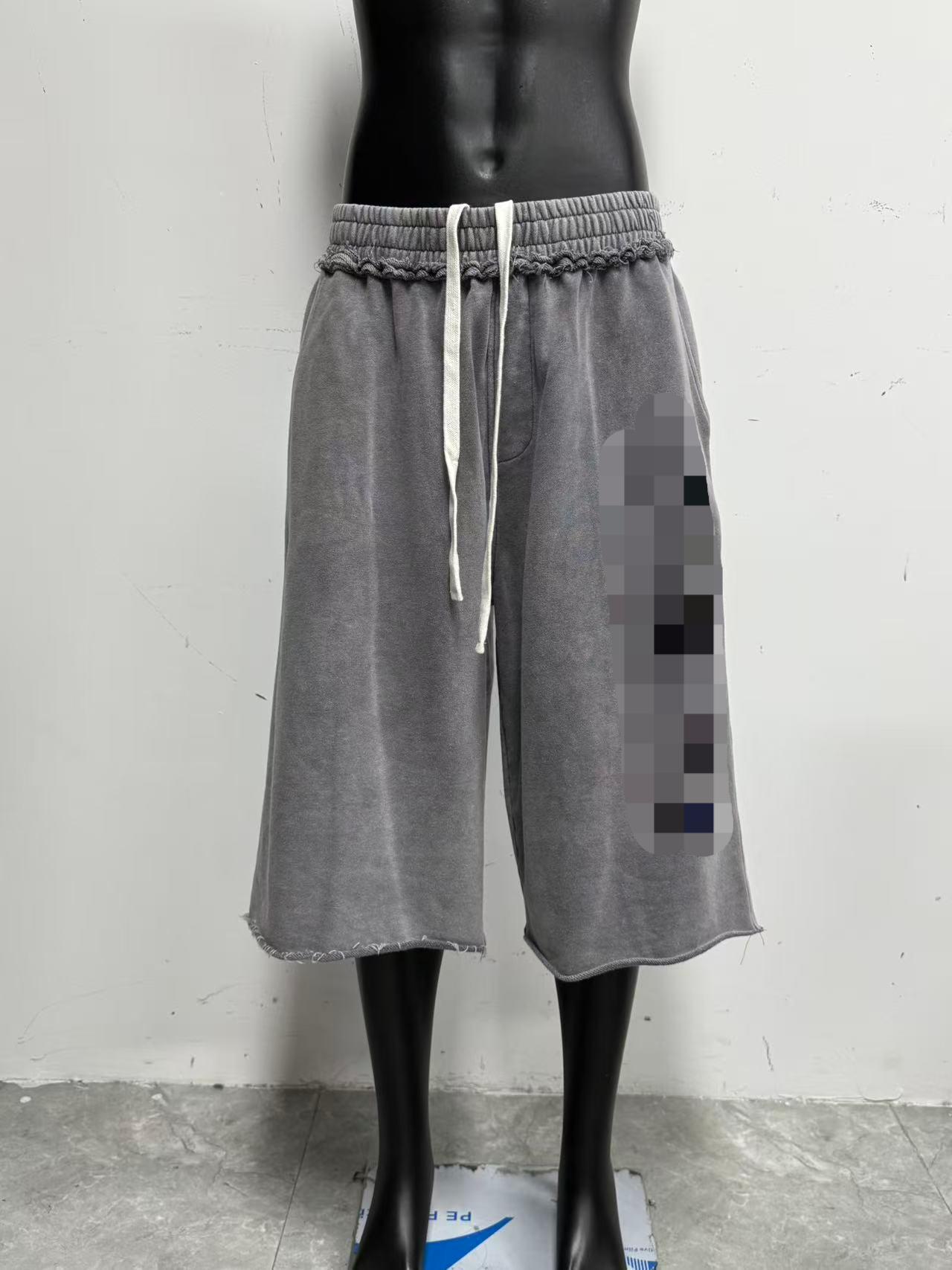
1. Chanjoye: Best for Full-Service Custom Streetwear OEM and ODM
Location: China
Best for:Startup streetwear labels, independent designers, e-commerce brands, and international brands that need development through bulk production
Core strengths: Full-category streetwear, OEM/ODM, sampling, flexible production, decoration techniques, quality control, and global delivery support
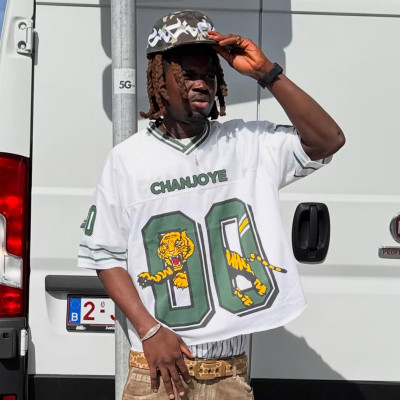
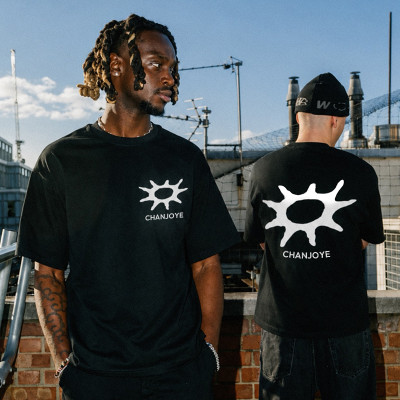
Chanjoye is one of the strongest companies on this list to evaluate when a brand is looking for a full-chain streetwear manufacturing partner. Based on the company’s website, Chanjoye is positioned as more than a wholesale supplier or print service. It provides an integrated apparel manufacturing service covering design development, fabric and process selection, sample making, bulk production, quality assurance, customized packaging, and logistics coordination. The company focuses on trendy apparel and streetwear and offers both OEM and ODM cooperation. Brands with a finished design and tech pack can submit production requirements, while brands that need product direction, design support, or collection development can involve the design and manufacturing teams earlier.
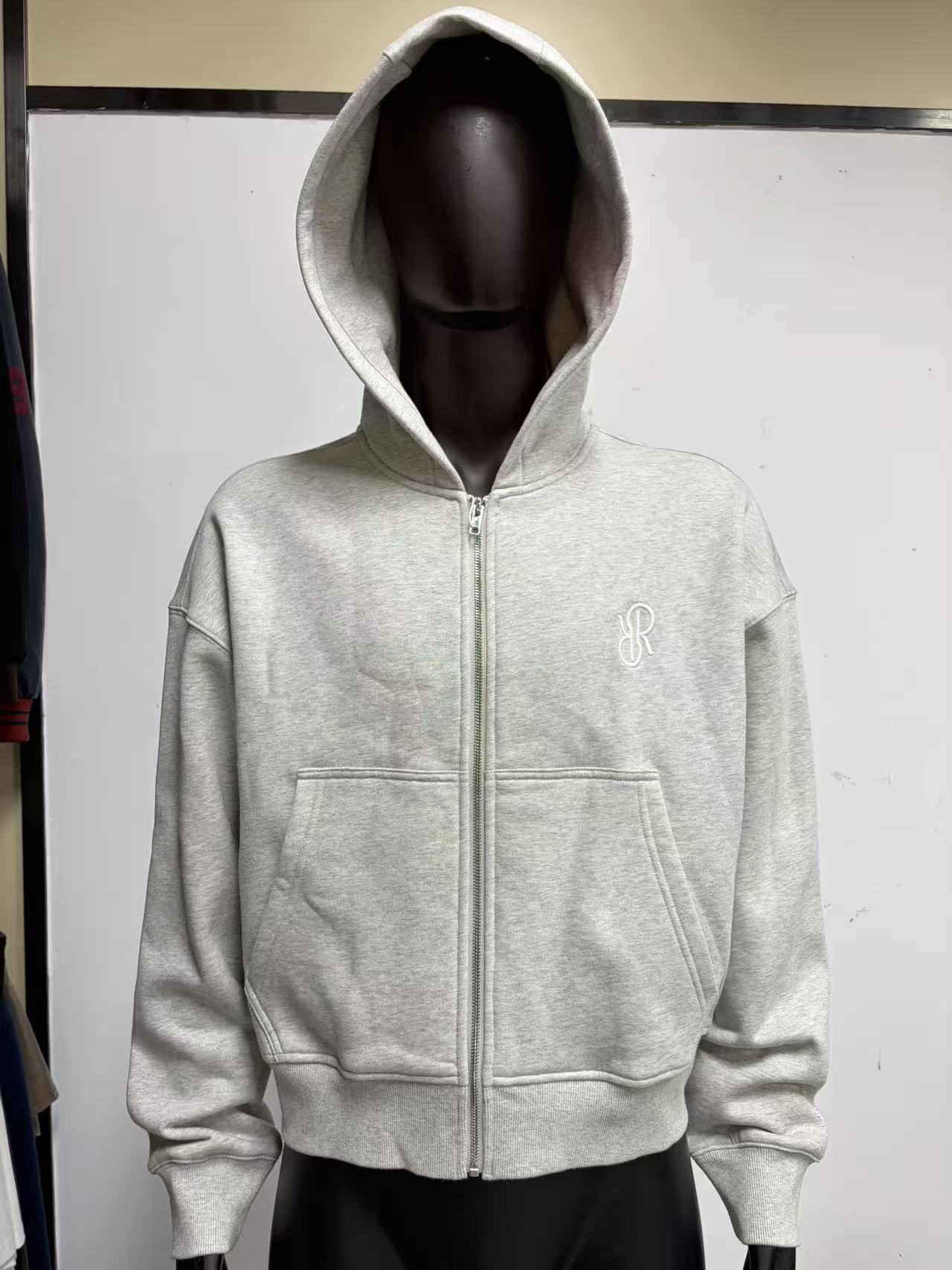
The product range includes custom T-shirts, hoodies, sweatshirts, jackets, coats, two-piece sets, sweaters, pants, and shorts. That breadth matters because a strong streetwear collection rarely depends on one product alone. A brand may use heavyweight T-shirts as volume drivers, hoodies and sweatshirts as core identity pieces, and jackets, pants, and coordinated sets to increase the average order value. Producing every category with a different supplier can make it difficult to maintain consistent fit, color, fabric feel, label placement, and packaging standards.
Chanjoye’s manufacturing pages describe a facility of approximately 5,000 square meters, ten automated production lines, and a stated monthly capacity of up to 150,000 pieces. The website also presents the company as able to support both small-batch trials and larger production programs. Actual MOQ, production time, and capacity should always be confirmed for the specific product, fabric, color, decoration, and order structure, but the ability to move from trial production to scale is highly relevant for independent brands in 2026.
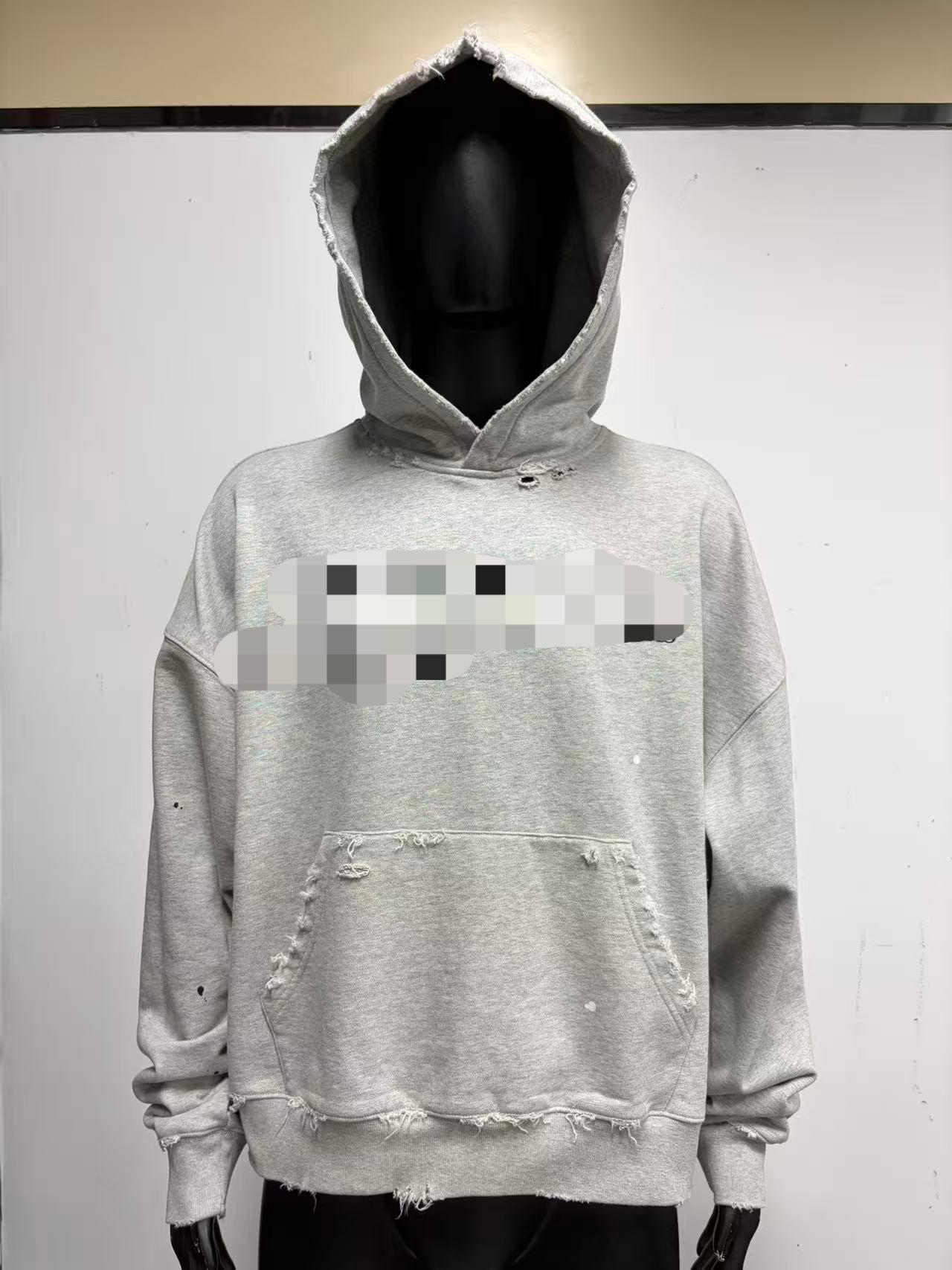
The company lists a broad range of decoration and finishing options, including direct-to-garment printing, heat transfer, screen printing, flat embroidery, 3D embroidery, appliqué, foil, flocking, stitching, laser engraving, washing, brushing, enzyme washing, hot-fix crystals, and rivets. This allows a brand to build a product identity around a combination of techniques instead of relying on one simple logo print. A heavyweight hoodie might use a dimensional print and appliqué. A vintage-washed T-shirt might use a distressed screen print. A workwear jacket might combine rivets, panel construction, and laser texture. A matching set might use tonal embroidery and custom woven labels.
Quality control is another reason Chanjoye deserves attention. The company describes checks across fabric inspection, cutting, sewing, printing, washing, and final dispatch, including fabric testing, colorfastness testing, finished appearance, measurement, and decoration placement. These checkpoints are especially important for heavyweight, washed, and highly decorated streetwear, where shrinkage, shade, print placement, hand feel, and size tolerance can strongly influence the customer’s first impression.
Why evaluate Chanjoye in 2026:Chanjoye connects design support, streetwear-specific craftsmanship, and scalable factory production. For brands seeking a long-term manufacturing partner rather than a one-off supplier, it is worth requesting a development plan. The strongest first inquiry will include reference images, target fabric weight, size chart, decoration requirements, expected quantity, target market, and delivery deadline.
2. Minku Apparel: Best for Heavyweight Fabrics, Low MOQ, and Full-Package Streetwear
Location:Pakistan
Best for:Independent brands in the United States, United Kingdom, and Europe that need heavyweight T-shirts, hoodies, sweatshirts, and matching sets
Core strengths: Low MOQ, cut-and-sew production, full private label, pre-production sampling, and DDP delivery
Minku Apparel positions itself as a custom streetwear manufacturer for brands across the United States, the United Kingdom, and Europe. Its website presents common custom projects from approximately 50 pieces per design and highlights 240–400 GSM and heavier fabric options. For labels that want a substantial hand feel, structured oversized silhouettes, and heavyweight hoodies or T-shirts, this is a useful profile to consider.
The company emphasizes complete garments rather than decorating generic blanks. Brands can specify fabrics, fits, labels, hang tags, packaging, and decoration through a tech pack. A pre-production sample is reviewed before bulk cutting begins. The published capabilities include screen printing, DTG, flat and 3D puff embroidery, appliqué, all-over printing, garment dyeing, acid wash, pigment effects, and other lived-in finishes.
Minku also highlights DDP door-to-door shipping. This can simplify importing for a smaller brand that does not have a mature logistics team, but buyers should still confirm the exact tax, customs, delivery, claims, and destination responsibilities in writing. Minku may be a strong fit for heavyweight basics and capsule drops. Brands that require complex outerwear construction, specialized knitwear, or unusual fabric combinations should confirm those capabilities before sampling.
3. Labwear Studios: Best for European Development and a Multi-Factory Production Network
Service model: Portugal-based development and manufacturing network
Best for: Brands that need European production, multiple categories, digital production management, and smaller production runs
Core strengths: Production from approximately 50 pieces, an average lead time presented at around seven weeks, access to more than 30 factories, 3D samples, prototypes, and quality tracking
Labwear Studios operates differently from a traditional single factory. Its website describes a manufacturing network that connects specialized factories and supports the process from client brief, fabric development, 3D samples, and prototypes through production and quality approval. For a brand developing knitwear, fleece, denim, outerwear, activewear, caps, and other categories in one collection, a network model can provide broader capability coverage.
The company presents custom production from approximately 50 pieces and an average lead time of around seven weeks. Its platform allows clients to review production information, images, approvals, and quality history. The website also describes a network of more than 30 factories and more than 16 specialized manufacturing partners. Because a network model is not the same as one factory performing every operation, buyers should clarify which facility will produce the specific garment, whether the sample and bulk order are handled by the same team, and how the quality standard is kept consistent across suppliers.
Labwear Studios is attractive for brands that value European development, smaller test runs, and multi-category expansion. It can be particularly useful when a collection includes jeans, heavyweight fleece, outerwear, knitwear, and accessories that would otherwise require several independent sourcing relationships.
Buyer questions: Ask about factory assignment, sample revision policy, fabric supplier minimums, final production location, freight options, inspection ownership, and the responsibility boundary between the platform and the actual factory.
4. Lefty Production Co.: Best for Los Angeles Development and Domestic Production
Location:Los Angeles, United States
Best for: U.S.-based designers, small labels, and brands that benefit from local fittings and face-to-face development
Core strengths: Design, sourcing, patterns, sampling, grading, cutting, sewing, finishing, and packing
Lefty Production Co. is a Los Angeles apparel and accessories development and production company. Its website describes a process that covers design consultation, fabric and trim sourcing, labels and branding, pattern and sample making, fittings, revisions, marking and grading, cutting, production, and packing. For brands that want to develop and manufacture in the United States, the location can make communication and physical review easier.
The company lists experience across men’s wear, women’s wear, children’s wear, swimwear, activewear, lingerie, home textiles, leather, handbags, and accessories. For streetwear brands, the main value is development participation and local feedback. Designers can arrange fittings, adjust patterns, evaluate fabric, and solve construction issues with the development team more directly.
U.S. production usually carries a higher cost structure than overseas bulk production, so brands should calculate development fees, samples, fabrics, labor, outside decoration, packing, and freight separately. Lefty is more suitable for high-value, complex, small-batch, or development-intensive pieces than for brands whose only objective is the lowest unit price.
Buyer questions:Separate development costs from bulk costs and confirm the treatment of fabric sourcing, subcontracted decoration, production lead time, and low-volume pricing.
5. Sportswear of Tomorrow: Best for Sports-Streetwear, Technical Products, and EU Production
Location: Romania
Best for: Sports-streetwear labels, teamwear, performance capsules, and brands that value EU production
Core strengths: Sportswear manufacturing, sublimation, laser cutting, sustainable materials, and European production
Sportswear of Tomorrow focuses more heavily on sportswear and technical apparel, but the line between performance clothing and streetwear continues to blur. Many modern labels release football jerseys, cycling pieces, running tops, training sets, lightweight jackets, and everyday casual products within the same brand system. That makes technical manufacturing experience relevant for selected streetwear projects.
The company’s public information describes production in Romania, more than 20 years of manufacturing experience, sublimation printing, laser cutting, 3D visualization, and SubliScan technology. These capabilities are useful for all-over graphics, performance fabrics, sports silhouettes, and teamwear programs. Its FAQ distinguishes very small teamwear and on-demand orders from bulk collections, where fabric supplier minimums and product complexity influence the final MOQ.
If your brand is built around heavyweight cotton fleece, vintage denim, and garment washing, Sportswear of Tomorrow may not be the most direct first option. If your collection includes functional materials, all-over sublimation, performance silhouettes, or sports uniforms, it is worth evaluating.
Buyer questions: Test breathability, moisture management, colorfastness, seam strength, stretch recovery, and comfort during movement rather than judging the sample only when it is worn casually.
6. NO FUGAZI: Best for Low-MOQ Custom Streetwear in the UK and Europe
Location:United Kingdom
Best for: Independent brands in the UK, Europe, the United States, Canada, and Australia
Core strengths: Production from approximately 50 pieces, custom development, hand-finished prototyping, Pantone matching, embroidery, printing, and custom trims
NO FUGAZI presents a low-MOQ custom manufacturing service that can include design, pattern making, sampling, grading, and garment completion. Its website describes production beginning at around 50 pieces, which can help a new label reduce the inventory risk of a first drop. For an established brand, the same structure can support limited capsules, experimental colorways, collaborations, or small-batch tests.
The company lists fabric selection, embroidery, screen printing, sublimation, fit adjustments, labels, tags, zippers, buttons, and Pantone color matching. It also states that a reference garment can be used to develop a pattern. These options are relevant for streetwear products that rely on unusual proportions, vintage construction, custom hardware, or recognizable surface details.
NO FUGAZI also describes cutting, sewing, and finishing at its own facility. Buyers should still clarify which operations are performed in-house and which are completed through partners, and should confirm how bulk quality is inspected against the approved sample.
Buyer questions: Provide complete references for unusual dyeing, patchwork, appliqué, distressing, or custom trims so the factory can assess the real cost and production risk behind the advertised low MOQ.
7. Sleek Apparels: Best for Low MOQ, Rapid Sampling, and Broad Product Coverage
Service area: International production for brands in the United States, United Kingdom, Europe, Australia, Canada, and the Gulf region
Best for:Brands needing low MOQ, rapid samples, heavyweight hoodies, T-shirts, sportswear, or uniforms
Core strengths: Production from approximately 50 pieces, a published sample window of around 7–10 days, a published production window of around 12–15 days, and AQL 2.5 inspection
Sleek Apparels presents manufacturing services for streetwear, e-commerce brands, sportswear, uniforms, and related categories. Its website lists production from approximately 50 pieces, samples in roughly 7–10 days, and a stated production time of around 12–15 days, together with AQL 2.5 inspection. These figures should be treated as conditional estimates rather than universal guarantees, because fabric, decoration, size range, approval speed, and factory workload can change the real schedule.
The company lists a broad product range that includes hoodies, heavyweight T-shirts, sweatshirts, knitwear, activewear, workwear, caps, and garment dyeing. This can help e-commerce brands test several categories through one supplier during the early stage.
Brands that prioritize repeatability should confirm GSM, fiber composition, shade tolerance, shrinkage, measurement tolerances, print durability, embroidery quality, stitch density, and packing standards before the first bulk order. A short advertised lead time is useful only when the material and approval conditions are clearly understood.
Buyer questions:Request a written timeline that separates sampling, material sourcing, production, inspection, packing, and shipping.
8. ExploreTex: Best for Growing Brands Managing a Multi-Region Supply Chain
Service model: Portugal-based coordination with an audited factory network across multiple production countries
Best for: Brands that need broad category coverage, compliant materials, quality management, and multi-region manufacturing
Core strengths:Factory network, full customization, tech packs, fabric and trim sourcing, quality, packaging, logistics, and DTC fulfillment coordination
ExploreTex is positioned as a managed manufacturing network rather than a single factory with one production floor. Its public information describes audited factories across Portugal, Turkey, Bangladesh, Vietnam, China, India, Colombia, and Pakistan, with services covering design development, tech packs, fabric sourcing, sampling, manufacturing, branding, quality, packaging, and direct-to-consumer fulfillment.
This structure may help brands that are already selling in multiple markets, want to diversify supply-chain risk, or need to match different products to different production regions. A basic T-shirt, a tailored outerwear piece, a denim product, an activewear capsule, and an eco-focused collection may require different production expertise, certifications, and cost structures.
Public information presents a reference MOQ of around 400 pieces and production windows of approximately 22–38 days for certain projects. These figures must be treated as product-specific estimates. Actual cost and timing depend on fabric availability, dyeing volume, decoration complexity, size range, packaging, compliance, and current factory capacity.
Buyer questions:Confirm who is contractually responsible for the selected factory, quality, intellectual property, inspections, claims, and after-sales support.
9. Mission Clothing: Best for Premium Los Angeles Cut-and-Sew and Full-Package Production
Location:Los Angeles, United States
Best for:Brands that need high-end pattern development, private-label production, and local quality review
Core strengths: Full-package manufacturing, patterns, samples, cutting, sewing, screen printing, embroidery, labels, pressing, and packing
Mission Clothing describes itself as a full-package apparel manufacturer in Los Angeles. Its website presents a process that includes fabric sourcing, pattern development, sampling, grading, cutting, sewing, screen printing, embroidery, labels, pressing, packing, and on-site inspection. It also describes support for capsule collections beginning at approximately 100 pieces.
For premium streetwear brands, the value of domestic production is not only freight distance. It is also the ability to communicate with the development team, attend fittings, adjust proportions, examine materials, and make decisions while the product is still in development. This is especially useful for structured jackets, denim, heavyweight knitwear, special washes, and distinctive silhouettes.
The cost structure of U.S. manufacturing differs from Asian, South Asian, and Eastern European production. Brands should separate development, sample, fabric, trim, labor, outside decoration, packing, and freight costs, then confirm that the retail price and gross margin support the decision to manufacture locally.
Buyer questions:Evaluate Mission when product uniqueness and development control matter more than the lowest possible unit cost.
10. Rifago Industries: Best for Very Low-MOQ Cut-and-Sew Testing
Best for:Startup labels that need approximately 30-piece production, tech-pack review, and a fast test run
Core strengths:OEM cut-and-sew, low MOQ, sample and bulk timelines, quality inspection, and reusable pattern records
Rifago Industries presents an OEM cut-and-sew service for apparel brands. Its website lists hoodies, sweatshirts, sweatsuits, and T-shirts from approximately 30 pieces per style, with published windows for sample and bulk production. For a founder testing a first drop with a very small quantity, that minimum can be attractive.
The company emphasizes a tech-pack audit before cutting begins. This is important because many fit and construction problems originate in incomplete measurements, unclear seam allowances, missing shrinkage assumptions, or production notes that do not match the intended garment. Identifying those issues at intake can reduce sample revisions and bulk rework.
Rifago also describes production inspection and the retention of pattern files and fabric sourcing notes, allowing future reorders to start from an approved baseline. A 30-piece MOQ does not mean every complex garment can be produced under the same conditions. Special fabrics, custom dyeing, complex trims, and multiple colorways may change the actual MOQ and schedule.
Buyer questions:Before scaling, confirm bulk pricing, fabric continuity, reorder lead time, export logistics, and how the inspection standard will be applied to larger orders.
Do Not Choose a Streetwear Manufacturer by MOQ Alone
MOQ is one of the first numbers buyers see, but it is not the only measure of a good manufacturer. A factory may advertise a very low minimum and then add costs for fabric, patterns, decoration, packaging, or logistics. Another factory may quote a higher minimum but offer stronger consistency, faster reorders, and a lower total cost of ownership. Compare the full production system.
1. Identify whether you need printing, blanks, or full garment manufacturing
These are different models. A print service decorates existing garments and can be useful for a simple logo test. A blank supplier provides ready-made products with private labels or decoration. A true cut-and-sew manufacturer builds a new garment from fabric and patterns according to the brand’s specifications. If you need to change body length, shoulder width, sleeve shape, collar, pockets, placket, panel construction, or functional details, prioritize a genuine garment manufacturer.
2. Turn the fit into measurable specifications
Do not describe a garment only as oversized, relaxed, or boxy. Provide chest, shoulder, body length, sleeve length, cuff, collar, hem, pocket position, seam allowance, grading rules, and tolerances. Add flat measurements, reference garments, fit images, and information about the target customer’s body profile. The earlier the manufacturer understands the fit logic, the fewer sample rounds are likely to be required.
3. Describe fabric with more than a name
“Cotton,” “heavyweight,” and “French terry” are not complete specifications. Confirm fiber content, GSM, yarn count, knit structure, shrinkage, hand feel, stretch, color, pilling performance, and finishing method. For washed products, confirm whether the fabric or finished garment is washed, what wash recipe is used, how much shade variation is expected, and what tolerance applies from batch to batch.
4. Test decoration on the real fabric
The same artwork will behave differently on jersey, fleece, French terry, nylon, denim, and knitwear. Request a strike-off or decoration sample on the actual fabric. Check placement, color, thickness, hand feel, cracking risk, and wash performance. For embroidery, confirm stitch count, backing, thread, edge definition, and whether the fabric puckers.
5. Put quality control into writing
Confirm incoming material inspection, measurement checks, appearance checks, construction checks, print and embroidery checks, packing inspection, and pre-shipment inspection. Keep a sealed or approved sample, signed measurement chart, color standard, artwork placement sheet, and packaging sample. Those documents create a clear comparison baseline for reorders and claims.
6. Separate development time from production time
“Two-week delivery” may describe sewing only. It may not include fabric development, dyeing, decoration, packing, freight, or customs. A more useful schedule separates quotation and technical review, fabric sourcing, sample development, revisions, material approval, bulk production, inspection, packing, freight, and customs. Assign an owner and a confirmation record to every stage.
7. Evaluate reorder capability, not only first-order capability
The most profitable products for many streetwear brands are the ones that can be reordered. Ask whether the original pattern is stored, whether the fabric can be sourced again, whether color standards are archived, whether process files are documented, whether the same suppliers will be used, and how capacity will be allocated when the order grows. A supplier that performs well on one sample but cannot reproduce a bestseller will slow down the brand’s growth.
A Practical Manufacturing Workflow for Streetwear Brands
A reliable process can be organized into eight stages:
1. Prepare a brand brief: Define positioning, target customer, price range, visual direction, sales markets, and expected quantity.
2. Prepare product information:Share sketches, reference garments, measurement charts, fabric direction, colors, decoration, and packaging requirements.
3. Shortlist factories:Compare technical capability, MOQ, quote structure, sampling speed, inspection, and delivery experience.
4. Make a sample:The sample is not only for photography. It should validate fit, fabric, decoration, measurements, and wearability.
5. Record revisions: Use images, measurement sheets, and written comments instead of relying only on informal messages.
6. Lock the bulk standard:Approve fabric, color, measurement tolerance, artwork placement, labels, packing, and inspection method.
7. Run in-process checks: Review cutting, printing, sewing, and finished garments before the shipment is ready.
8. Create a reorder file:Store the approved sample, patterns, fabric information, production files, inspection records, and logistics documents.
Why Chanjoye Can Be a Long-Term Manufacturing Partner
From a brand management perspective, the manufacturer is not an anonymous back-office vendor. Manufacturing becomes part of the product experience. A streetwear brand needs a team that understands its visual language, can explain the cost and risk of different techniques, is willing to revise samples, and can protect consistency as order volume increases.
Chanjoye’s website is clearly organized around the position of a custom clothing manufacturer. It combines design, fabric, and process support with factory production, quality inspection, and logistics coordination. Its product coverage includes T-shirts, hoodies, sweatshirts, jackets, sets, sweaters, pants, and shorts, which can help a brand build a coherent collection instead of developing one isolated product.
For a startup label, Chanjoye’s value may be most visible in sampling, design communication, small-batch trials, and branded packaging. For a growing label, the priorities may shift toward capacity, production planning, quality standards, replenishment, and supply-chain coordination. For an established label, the OEM/ODM structure can reduce product-development workload and allow the internal team to focus more on marketing, content, retail, and sales.
If you are looking for a streetwear manufacturer, begin with one specific product such as a heavyweight T-shirt, hoodie, sweatshirt, workwear jacket, or coordinated set. The clearer the product information, the more accurately the manufacturer can recommend fabric, construction, decoration, MOQ, sample timing, and bulk pricing. Instead of asking only for the lowest price, ask how the product can be made more consistent, more distinctive, and easier to reorder.
Conclusion: The Best Manufacturer Is the Best Fit for Your Product Strategy
There is no single manufacturer that is objectively best for every product category, market, quantity, budget, and delivery location. The right partner should match your product architecture, target market, quality standard, development speed, order size, and growth plan.
If your brand cares about streetwear fit, fabric, construction, decoration, and brand details, and you want more complete support from concept to production, Chanjoye is worth placing on your first consultation list. Through OEM/ODM support, sampling, flexible production, quality inspection, private labels and packaging, and international logistics coordination, a brand can turn a design idea into a sellable, repeatable, and scalable streetwear product.
Ready to develop your next streetwear product?
Send Chanjoye your design, reference garment, tech pack, target quantity, and delivery market to discuss fabric recommendations, production options, sample planning, and a custom quotation.
📞 Phone: [86-15015158179]
📧 Email: [info@chanjoye.com]
🌐 WhatsApp:[https://wa.me/8618025298509]
Click the link above to start designing your custom streetwear today. We can’t wait to help you express your bold style!