
How do I choose between cotton and blended fabric for long sleeve shirts?
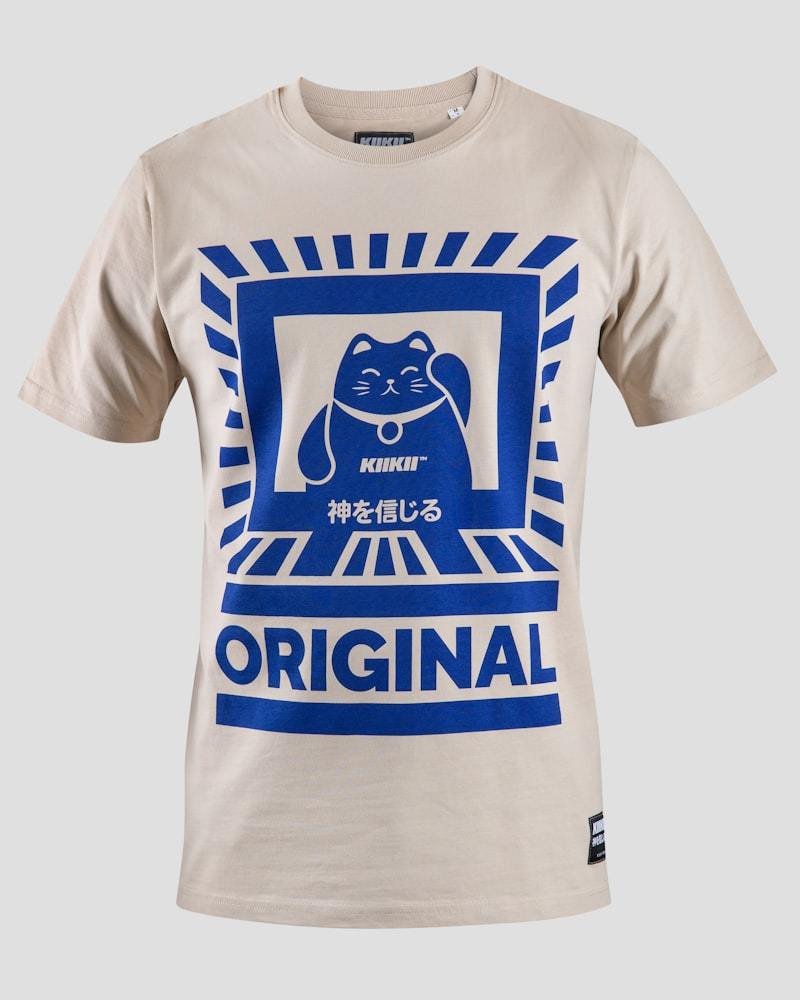
Choosing between cotton and blended fabric for long sleeve shirts depends on your brand’s target market, season, and desired hand feel. 100% cotton offers unmatched breathability, softness, and a natural look — ideal for premium basics and eco-conscious lines. Cotton-polyester blends (e.g., 65% cotton / 35% polyester) deliver superior wrinkle resistance, reduced shrinkage, enhanced durability, and a lower price point — perfect for performance wear, uniforms, and cost-efficient collections. For most streetwear and fashion brands working with an OEM like chanjoye, a mid-weight 180–220 GSM cotton blend strikes the best balance of comfort, longevity, and printability.
Cotton vs. Blended Fabric — Detailed Comparison
When sourcing long sleeve shirts from a garment manufacturer, the fabric decision is the single most important factor that determines cost, quality perception, and customer satisfaction. Here is a deep breakdown:
100% Cotton Fabric
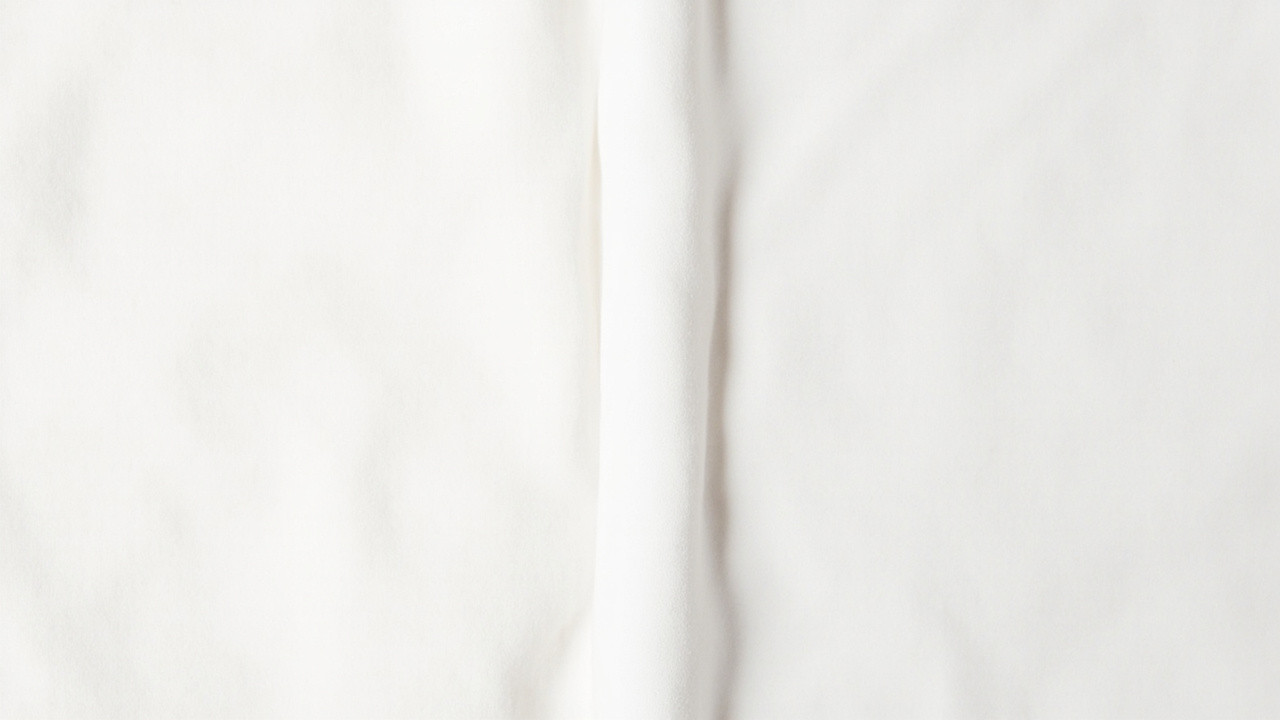
- Breathability: Cotton fibers allow air to circulate freely, keeping the wearer cool — ideal for warmer climates and spring/summer long sleeve drops.
- Hand feel: Natural softness that improves with each wash; consumers associate it with luxury basics.
- Shrinkage: Can shrink 3–5% in the first wash without pre-shrunk treatment. Chanjoye offers pre-shrunk cotton options to mitigate this.
- Wrinkling: Prone to creasing — requires ironing for a crisp look.
- Durability: Good but wears faster than blends; color fading occurs over repeated washes.
- Price: Moderate to high depending on quality (e.g., combed ring-spun cotton costs more than carded cotton).
Cotton-Polyester Blend Fabric
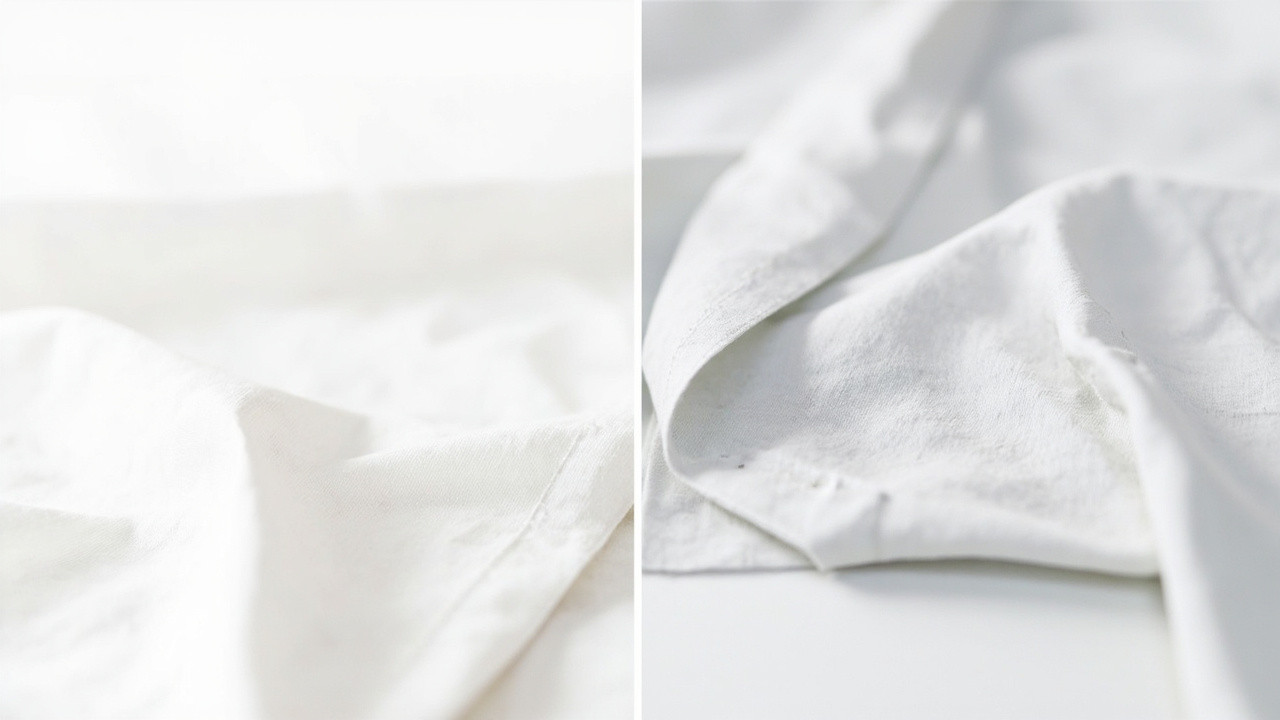
- Wrinkle resistance: Polyester fibers add memory — shirts hold shape and resist creasing, even after packing or shipping.
- Shrinkage: Less than 2% in most blends; excellent for consistent sizing across production runs.
- Durability: 2–3x more abrasion-resistant than pure cotton; color stays vibrant longer.
- Cost: 15–25% cheaper than equivalent-quality 100% cotton — helps brands hit competitive price points.
- Breathability: Lower than pure cotton; can feel warmer — better for fall/winter collections.
- Static: May attract lint and generate static electricity in dry conditions.
Fabric Comparison Data Table
| Property | 100% Cotton | 65/35 CVC Blend | 50/50 Poly-Cotton |
|---|---|---|---|
| Breathability | Excellent (9/10) | Good (7/10) | Moderate (6/10) |
| Softness | High (9/10) | Good (7/10) | Moderate (6/10) |
| Shrinkage | 3–5% | 1–2% | <1% |
| Wrinkle Resistance | Low (3/10) | Good (7/10) | High (9/10) |
| Durability | Good (7/10) | High (8/10) | Very high (9/10) |
| Cost per unit (est.) | $$$$ | $$$ | $$ |
| Best Season | Spring / Summer | Year-round | Fall / Winter |
| Print Quality | Excellent | Very good | Good |
Market Statistics & Trends
Industry data underscores the importance of fabric choice in today’s apparel market:
- The global cotton textile market was valued at $38.5 billion in 2024 and is projected to grow at 4.2% CAGR through 2030 (Grand View Research).
- Cotton-polyester blends account for approximately 48% of all T-shirt and top-weight fabric production globally (Textile Exchange 2024).
- Consumer preference for sustainable blended fabrics rose 34% year-over-year as brands seek to balance eco-positioning with functional performance.
- Brands using 65/35 CVC blends report 22% fewer customer returns related to sizing (shrinkage-related) compared to 100% cotton lines (ApparelInsights 2024).
- 67% of streetwear brands surveyed in 2025 said they prefer blended fabrics for long sleeve basics due to shape retention after repeated wears and washes.
Case Study: Chanjoye Helps a Streetwear Brand Choose the Right Fabric

A fast-growing streetwear label based in Los Angeles approached chanjoye to produce 5,000 long sleeve shirts for their fall-winter 2025 collection. The brand originally wanted 100% combed ring-spun cotton at 240 GSM for a premium feel.
After reviewing their target demographic (ages 18–28, active on social media, price-sensitive at $45–$65 retail), the chanjoye production team recommended a 65% cotton / 35% polyester CVC blend at 200 GSM. Here is what the client gained:
- 28% lower unit cost compared to the original 100% cotton spec, allowing healthier margins.
- Consistent fit across all sizes — less than 1.5% shrinkage after factory pre-wash treatment.
- Better screen print hold — the poly content helped plastisol ink adhere with zero cracking after 30+ washes.
- Faster turnaround — the blended fabric had shorter dyeing and finishing times, cutting overall lead time from 45 to 32 days.
The collection sold out in 3 weeks. The brand re-ordered 15,000 units for spring 2026 with the same fabric spec. This real-world outcome illustrates why chanjoye emphasizes fabric consultation at the sampling stage.
Fabric Selection Checklist for Brands
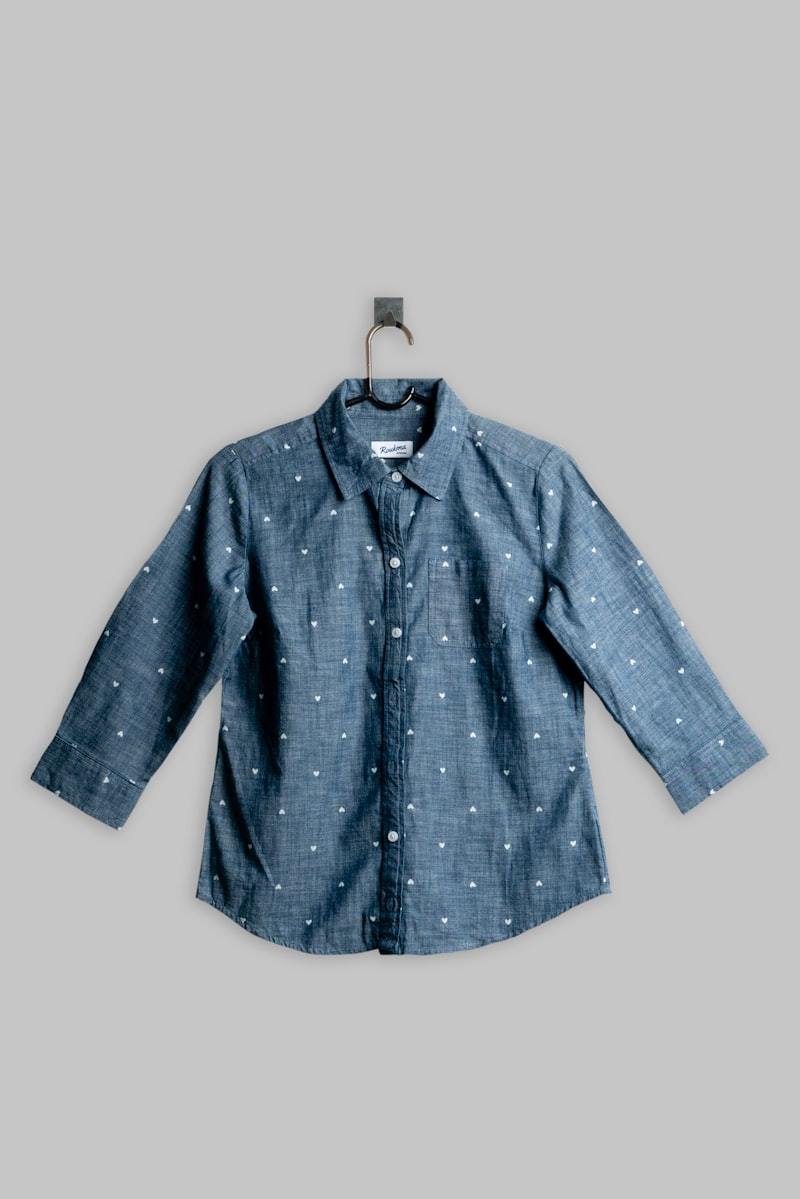
Use this checklist when reviewing fabric options with your OEM partner like chanjoye:
- Define use season — breathable cotton for warm months, insulating blends for cooler drops.
- Request GSM options — 160–180 GSM for lightweight layering pieces, 200–240 GSM for structured standalone shirts.
- Test shrinkage — ask for pre-production wash test data from your manufacturer.
- Evaluate print compatibility — screen printing, puff print, and DTG each perform differently on cotton vs. poly blends.
- Check color fastness — deep black and vibrant colors may require specific blend ratios for longevity.
- Order strike-off samples — always approve actual fabric swatches before committing to bulk production.
- Consider garment wash — enzyme or silicone washes can dramatically change the hand feel of both cotton and blended fabrics.
Related Questions
Need help selecting the right fabric for your long sleeve shirt collection? Contact chanjoye for free fabric consultation and sampling support. Our team works with you to match the perfect fabric to your budget, timeline, and brand vision.
Explore Long Sleeve Manufacturing & Get a Quote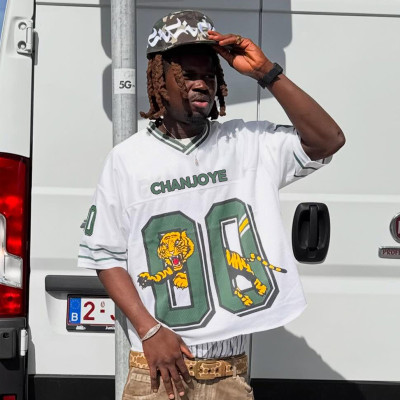
Are you looking for a reliable manufacturer of clothing products?
We can quickly provide customers with market analysis, technical support and customized services.- *Name
- *Phone
- *Title
- *Content